
TL;DR: THC-O vs Delta 8 comes down to potency, origin, and the type of experience users want. This blog explains how these two cannabinoids differ, covering what THC-O and Delta 8 are, how strong they may feel, and what benefits and side effects users commonly associate with each.
- THC-O is described as a synthetic cannabinoid made through chemical processing, while Delta 8 is a minor cannabinoid typically derived from hemp-based CBD.
- In the THC-O vs Delta 8 comparison, THC-O is generally presented as the stronger option, with anecdotal reports suggesting more intense effects.
- Delta 8 is framed as the milder choice, often preferred by users seeking a more manageable and relaxing experience.
- The blog highlights possible side effects for both cannabinoids, including anxiety, dizziness, and sedation, depending on the compound.
- Legal availability differs, with THC-O facing more scrutiny and state-level restrictions than Delta 8.
Delta 8 is one of the most prevalent cannabinoids in the industry, with its popularity leading to the discovery of other great cannabinoids like Delta 10, Delta 11, and THC-O.
Comparing THC compounds like Delta 8 and THC-O can be a difficult task, as they both offer a significant number of benefits with relatively minor side effects. Today, we will compare these two cannabinoids, THC-O and Delta 8. So, stay tuned and keep reading to learn more about these hemp-derived cannabinoids.
What is THC-O?
THC-O, also called THC-O acetate, is a synthetic cannabinoid. Unlike many (although not all) other cannabinoids, THC-O isn’t found in the hemp plant. Instead, it is synthetically made with Delta 8, acetic anhydride, and other chemicals.
THC-O’s status as an artificial chemical has made it the target of legal action by the Drug Enforcement Agency (DEA), although the court battle related to it has not yet been resolved. Some states have banned its use in the interim.
Importantly, THC-O is among the most potent cannabinoids. While reports that THC-O is psychedelic appear to be an exaggeration, as the University at Buffalo explains, it is generally thought to be especially potent.
Is THC-O stronger than Delta 8? User reports, although only anecdotal, suggest that THC-O is likely stronger than Delta 8. If you want an especially strong cannabinoid, THC-O could be right for you.
What about THC-O vs Delta 9, the main cannabinoid found in cannabis plants? THC-O is also thought to be stronger than Delta 9 in a 1:1 comparison.
What is Delta 8?
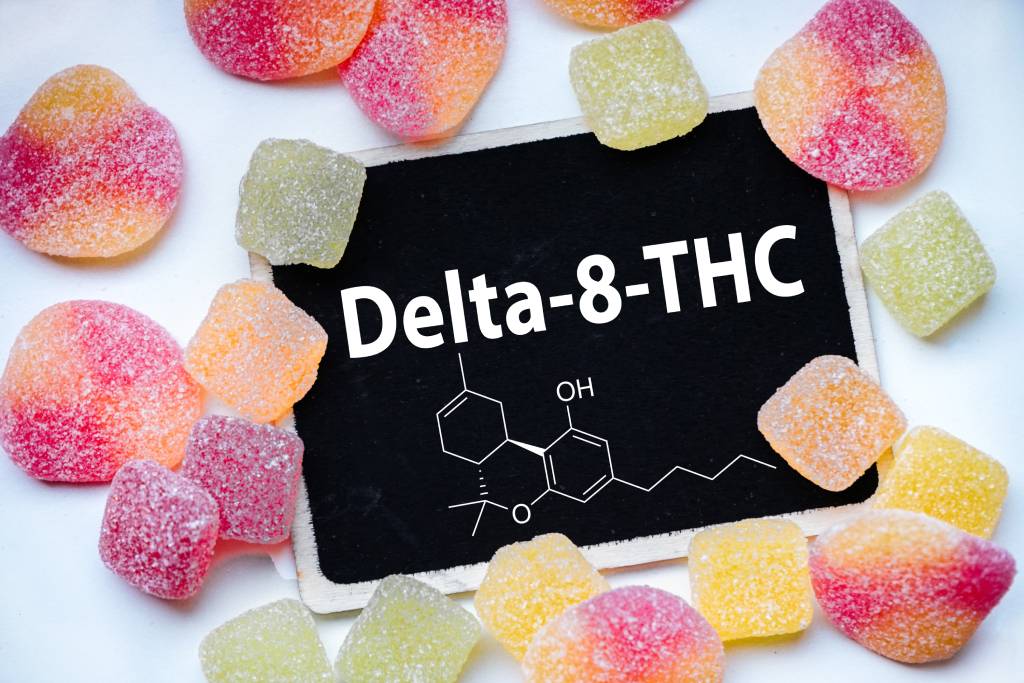
Like most people, you probably think of THC when you think of cannabinoids. But there’s another cannabinoid that’s gaining popularity for its recreational effects and practical benefts: Delta 8. Delta 8 is a minor cannabinoid, meaning it’s found in small trace amounts in hemp and cannabis plants.
Don’t let its small concentration fool you. Delta-8 is easily made from the abundant CBD in hemp plants, and it has some potent benefits.
For example, studies have shown that Delta-8 THC can help relieve pain and may also have anti-nausea and anti-inflammatory properties. So, if you’re looking for an alternative to THC, Delta-8 THC is definitely worth checking out.
THC-O vs Delta 8: Which One is Better?
When it comes to deciding which one is better in the Delta 8 THC vs THC-O debate, it’s best to determine what your preference is. If you enjoy the psychoactive effects and feel the euphoria of cannabinoids, you might prefer THC-O because of its potency.
If you prefer a milder but still noticeable and enjoyable experience, Delta 8 may be better for you. Both of these cannabinoids have their pros and cons; it’s really up to the user to decide which one is better for them.
Both cannabinoids are beneficial and ideal for different situations, depending on how you want to feel.
THC-O Benefits
THC-O is a potent cannabinoid that has a wide range of effects. It is thought to be 2-3 times more powerful than Delta 9, making it one of the most potent THC compounds. Its effects can include euphoria, an enhanced sense of creativity, and more.
It is important to note that THC-O is a bit tough to find, so obtaining it from a reputable source is essential.
THC-O Side Effects
THC-O has many side effects, including paranoia, anxiety, and dizziness. THC-O can also increase heart rate and blood pressure and interfere with memory and learning. THC-O is not considered addictive, but it can be habit-forming.
Some people may experience withdrawal symptoms when they stop using it. These symptoms can include anxiety, irritability, and difficulty sleeping.
Delta 8 Benefits
Delta 8 is a naturally occurring cannabinoid with many potential benefits for the human body. One practical effect of Delta 8 reported by some users is that it helps to calm nausea. Delta 8 can also help boost appetite.
Delta 8 has also been shown to help with pain relief, making it an essential Delta 8 benefit for people suffering from chronic pain.
Delta 8 Side Effects
Delta 8 side effects are not well-known, since the Delta 8 THC products are so new to the market. However, some Delta 8 users have reported feeling confusion, anxiety, drowsiness, and slow heart rates after using Delta 8 products. Also, Delta 8 can cause numbness and fast heart rates in some people. It is also important to note that delta 8 can cause low blood pressure in some people.
Therefore, if you have any medical conditions that could be exacerbated by low blood pressure, you should avoid using Delta 8 products.
The most common Delta 8 side effect seems to be sedation, so if you are looking for a way to relax and unwind, Delta 8 might suit you. However, if you are looking for a THC product that will give you energy and help you focus, Delta 8 is probably not the best choice.
FAQs About Delta 8 and THC-O
Which is stronger, Delta-8 or THC-O?
While peer-reviewed research about these cannabinoids has not been completed, many users who have tried both THC-O and Delta 8 agree that THC-O is the stronger of the two. Assuming an equivalent dose, THC-O is more potent. Reports that THC-O has hallucinatory or psychedelic effects appear to be exaggerations, however.
What is Delta-O?
Delta-O is not a new or different cannabinoid – it’s simply a less-common name for THC-O. The full names of many cannabinoids include THC (referring to the formal name tetrahydrocannabinol) and Delta (referring to the double bond in the chemical structure of these cannabinoids. Delta-O is a casual name for this cannabinoid, similar to THC-O.
Why was THC-O banned?
THC-O has not been banned by the federal government. The Drug Enforcement Agency (DEA) had previously argued that, because it does not occur naturally, this cannabinoid does not fall under the exemption for hemp-derived cannabinoids found in the 2018 Farm Bill. There has not been a legal conclusion to this argument, although several states have banned THC-O within their borders.
THC-O vs Delta 8: Final thoughts
As you can see, Delta 8 and THC-O are both cannabinoids that offer unique benefits. They offer the same experience in the big picture but differ in terms of potency to a noticeable degree. THC-O is far less commonly available than Delta 8, although not entirely illegal, because of state-level bans in the US.
We offer a variety of different cannabinoids, by themselves and in a range of blends, to give every user something that’s perfect for their unique needs.
Find all of our hemp-derived cannabinoid products right here!