
TL;DR: Kava and ashwagandha can both support relaxation, but they fit very different routines. Kava is better suited to a noticeable, in-the-moment wind-down, while ashwagandha works more gradually as part of an everyday stress-support habit.
- Kava is a South Pacific botanical traditionally prepared as a drink and is commonly associated with a mellow, relaxed, social feeling.
- Ashwagandha is an Ayurvedic herb and adaptogen that may help with perceived stress and sleep when used consistently over time.
- Kava makes more sense for a rough evening, after-work reset, or low-key hangout when you want to feel the effects relatively soon.
- Ashwagandha is better suited to ongoing stress and should be thought of as a routine rather than a quick fix.
- Some people use kava and ashwagandha together because they serve different purposes, but the combination hasn’t been extensively studied.
Kava and ashwagandha are both well-known for their ability to help people manage and reduce stress. However, there isn’t much of a kava vs ashwagandha debate because these two substances have distinct effects on users. It isn’t a debate about when to use one or the other as much as a decision about when to use each one.
Let’s take a closer look at kava and ashwagandha to better understand both substances. We’ll review how they work, how they can complement each other, and how to more safely enjoy both.
Kava and Ashwagandha Explained
Kava is generally chosen for a noticeable wind-down experience, while ashwagandha is usually worked into a routine for gradual stress support. They come from different plants, and their effects don’t feel much alike.
That’s why ashwagandha and kava aren’t really competing for the same job. You’d reach for kava after a brutal Tuesday, but you might use ashwagandha regularly for weeks.
What Is Kava?
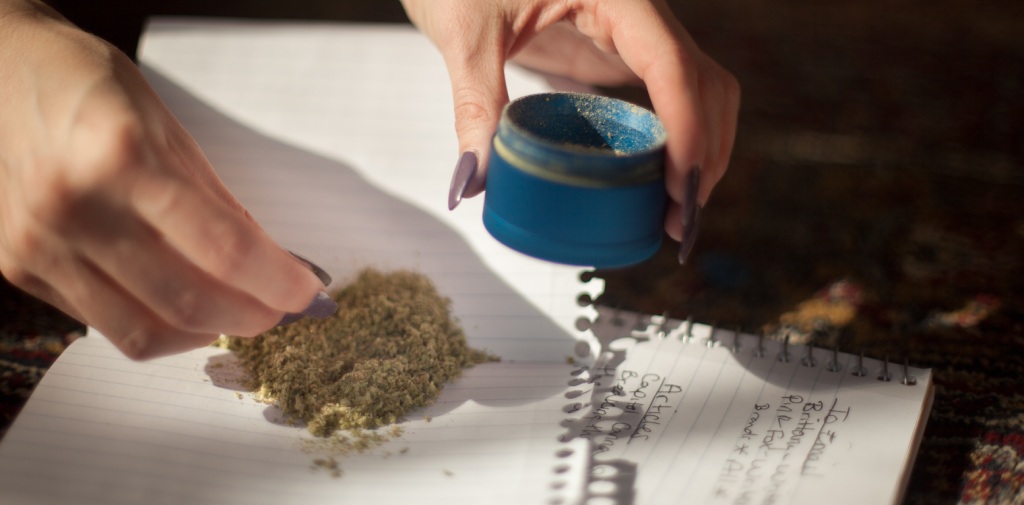
Kava comes from the root of Piper methysticum, a plant native to the South Pacific and related to pepper. Pacific Island communities have prepared kava drinks for thousands of years, using them in social, ceremonial, and medicinal settings. Traditional preparation works the root into water to create an earthy drink meant for slow sipping.
So, what does kava feel like? Users commonly describe it as a mellow kind of physical and mental relaxation. A recent U.S. survey of kava users found that “happy,” “relaxed,” and “friendly” were among the most commonly reported effects. It’s great when you want to mentally clock out after work or wind down for the evening without reaching for cannabis or alcohol.
You don’t need a traditional bowl to try kava, either. Modern kava comes in powders, shots, capsules, and even gummies.
Kava shouldn’t be mixed with alcohol or other sedating substances, and rare cases of serious liver injury have been reported. If you take medications or have liver concerns, check with your healthcare provider before adding kava to the rotation.
What Is Ashwagandha?
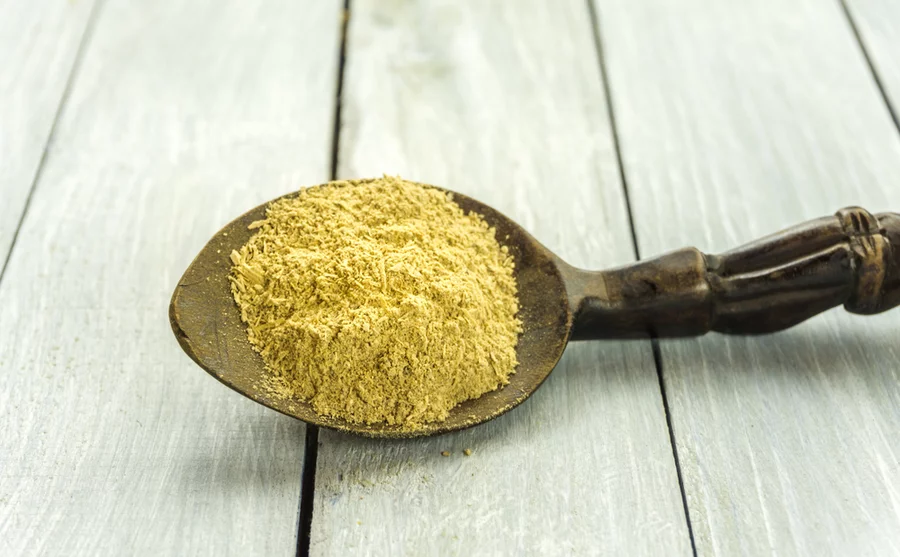
Ashwagandha is an evergreen shrub, Withania somnifera, with deep roots in Ayurveda, the traditional medical system of India. Its roots have been used for thousands of years, and today you’ll find ashwagandha in capsules, powders, tinctures, and gummies.
It’s often called an adaptogen, or a plant people use to help the body cope with ongoing stress.
The experience of using ashwagandha is much subtler than kava. You probably won’t take an ashwagandha gummy after work and suddenly feel a wave wash over you.
If ashwagandha works well for you, the change tends to show up in the background. A rough week may feel a little more manageable, or settling down at night might come a little bit easier. Research on certain ashwagandha extracts has found improvements in perceived stress and sleep, with studies generally looking at regular use over several weeks.
It might be a good fit if you’re tired of feeling wound up and want something that fits into your existing, everyday wellness routine.
Short-term use is generally well tolerated, but ashwagandha can interact with some medications and isn’t right for every health situation. Pregnancy and certain thyroid or autoimmune conditions are good reasons to check in with a healthcare professional first.
Kava vs. Ashwagandha: Which One Fits Your Routine?
Choosing between kava and ashwagandha generally comes down to timing, or when you want to experience their benefits.
If you want a noticeable experience tied to a particular moment, you might prefer kava. It suits the end of the workday or a low-key hangout session. A lot of folks use it to build an end-of-day ritual to help them wind down and transition out of work or school mode.
Ashwagandha is a better choice for folks experiencing ongoing stress because you take ashwagandha consistently rather than saving it for one rough night. Likewise, you shouldn’t expect an immediate buzz. It’s less of an experience you plan your evening around and more of something you incorporate into the wellness routine you already have.
Kava and Ashwagandha: FAQs
Can I take kava and ashwagandha together?
Some people may use both because they serve different purposes, but there isn’t much research on the combination itself. Check with a healthcare professional before combining them, especially if you take medication, have a medical condition, or already use products that make you drowsy.
Does ashwagandha help with stress right away?
No. Studies showing benefits for stress have generally measured daily ashwagandha use over several weeks, so think of it as a routine, not a rescue button.
What’s better for stress, ashwagandha or GABA?
Ashwagandha has more established human research behind it for ongoing perceived stress, but the two haven’t been well studied head-to-head. Research on oral GABA supplements is less settled. A systematic review found limited evidence for stress benefits from oral GABA, so there isn’t much reason to assume a GABA supplement automatically works better.
What is the strongest anti-anxiety herb?
There isn’t one herb that wins for everyone. If you’re searching for the best herbs for anxiety and depression, it helps to separate a relaxing experience from treatment for a mental health condition.
In the ashwagandha vs kava comparison, kava is the more noticeable relaxation option. Ashwagandha takes the gradual route and fits better into an ongoing stress-support routine. If anxiety or depression is persistent enough to interfere with your everyday life, a supplement shouldn’t take the place of actual medical care.
Pick the Kind of Calm You Actually Want
You don’t need to crown one winner. Kava is awesome when you want to feel yourself shift into wind-down mode, and ashwagandha is a great addition if you’re looking to reduce your everyday stress baseline over time. Once you know what experience you’re looking for, choosing the right format gets much easier.