
TL;DR: THC alternatives aren’t interchangeable. The best fit depends on whether you want to avoid the high, keep a psychoactive cannabis experience, replace the ritual of unwinding, or support stress and sleep in a more everyday way.
- CBD offers a non-intoxicating cannabinoid option, though full-spectrum products can still contain THC.
- Delta-8 is still psychoactive THC, but many users describe it as a mellower, less intense alternative to delta-9.
- Kava is cannabis-free and better suited to people who want a noticeable sense of relaxation without a traditional weed high.
- Ashwagandha works more gradually and may appeal to people focused on ongoing stress or sleep support rather than immediate effects.
- Labels, lab reports, drug-testing concerns, medication interactions, and local laws all matter when choosing an alternative.
THC isn’t the right fit for everyone. Maybe you want to unwind without feeling high or need something that won’t throw off the rest of your day. Some folks simply want to explore a different kind of experience.
The tricky part is that a THC alternative can mean several very different things. CBD products, like gummies, can offer you a clear-headed cannabinoid option. Delta-8 and other intoxicating cannabinoids may appeal to people who still want a noticeable psychoactive experience, but they aren’t THC-free. Kava and everyday botanicals take a different route altogether, but can still offer relaxation and stress relief for some people.
Let’s sort through the most practical alternatives to THC, what each option can and can’t offer, and what to check before you buy.
What Are the Best Alternatives to THC?
There are a lot of alternatives to THC, including CBD, delta-8, kava, and ashwagandha, but each of them replaces a different part of the experience. To choose the right one, think about what part of that experience you most want to replace.
For example, a lot of people who use THC enjoy the ritual surrounding it, but don’t necessarily need the high every single time, and need a product like CBD to replace it. Likewise, if you use THC for sleep, there are plenty of THC alternatives that can help you relax and wind down without any kind of intoxication, like kava or Ashwagandha products. If you do want the intoxication but THC isn’t the right fit, you’re probably looking for a product with a different cannabinoid profile, like delta-8 THC.
All to say, even the best alternatives aren’t interchangeable. Here’s what to know about each one.
CBD and Minor Cannabinoids
If your goal is to enjoy the benefits of THC without the high, CBD is the obvious first stop. CBD comes from cannabis, so you’re still in familiar cannabinoid territory, but the CDC notes that CBD itself isn’t impairing and doesn’t produce the traditional cannabis high.
People often work CBD into their routine for everyday stress, evening relaxation, or sleep support. It means you can keep some of that familiar cannabis-adjacent ritual without necessarily getting high. It can still cause side effects or interact with medications, so “non-intoxicating” shouldn’t be confused with “risk-free.”
There are different types of CBD, too. Full-spectrum products keep a wider range of hemp compounds and can contain THC. Broad-spectrum products are made to remove THC while retaining other cannabinoids. CBD isolate narrows the formula down to CBD itself.
You’ll also see CBG, CBN, and other minor cannabinoids included in some CBD blends. We always recommend checking out the complete cannabinoid panel and current lab report to learn more about what you’re actually buying.
Delta-8 THC and Other Intoxicating Cannabinoids
If what you actually like about cannabis is the high, delta-8 is one of the closest alternatives to traditional delta-9 THC. Delta-8 is still psychoactive, so you can expect a noticeable head change. People commonly describe the experience as relaxed, euphoric, and mellow, with many saying it feels less intense than a delta-9 high.
In a survey comparing delta-8 and delta-9, users generally rated delta-8 lower for things like anxiety, paranoia, memory problems, and trouble handling routine tasks. Another survey of delta-8 users found relaxation and euphoria among the most commonly reported effects.
With that said, delta-8 can be a THC alternative if what you mean is “an alternative to delta-9 THC,” but it isn’t THC-free. It can impair you and may trigger a positive drug test. Commercial delta-8 products can vary in concentration and formulation, which is why we’re big on checking the cannabinoid panel and lab report before you give it a try.
Kava as a Cannabis-Free Alternative
Some folks like THC for the ritual, and kava can replace that part of your routine while providing some different benefits. Kava comes from a South Pacific plant and has a long history as a social and ceremonial drink. Today, you’ll find it in formats like shots, gummies, powders, and ready-to-drink beverages.
Kava tends to cause a more mellow brand of relaxation and doesn’t mimic a weed high. Users describe a noticeable sense of calm and physical relaxation, which can help you wind down at the end of a long day. That’s because its active compounds, called kavalactones, affect several signaling systems in the brain, including pathways involving GABA, which plays a role in calming nervous system activity.
If you like the unwind-and-hang-out part of THC more than the cannabis high itself, kava might be a great alternative to THC for you.
Ashwagandha and Other Wellness Botanicals
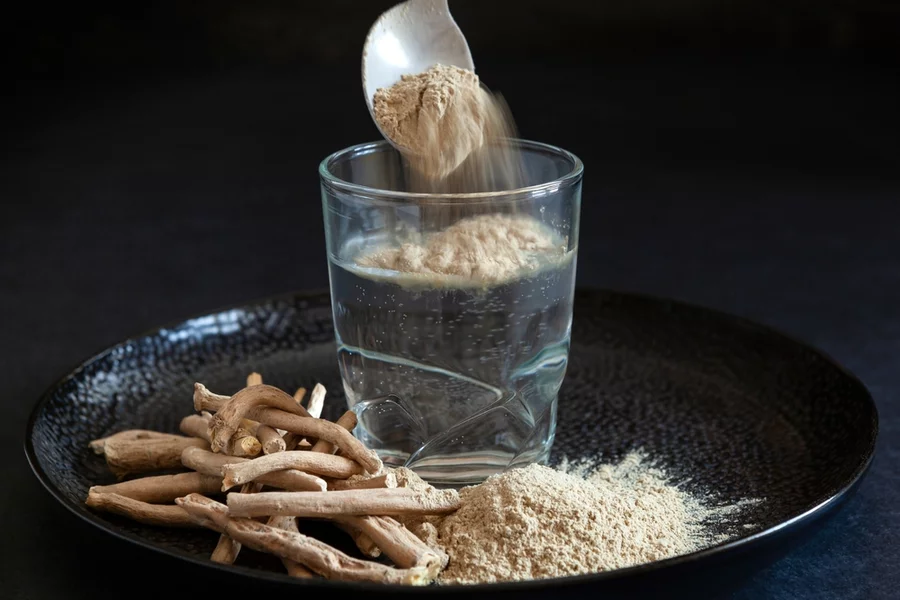
Ashwagandha is an evergreen shrub with a long history in Ayurvedic wellness traditions. These days, you’ll usually see its root or root-and-leaf extracts worked into capsules, powders, gummies, and multi-ingredient wellness blends. It’s often described as an adaptogen, which is basically wellness-speak for a plant people use to help the body cope with everyday stress.
Ashwagandha doesn’t produce a cannabis-style high, and it isn’t known for creating the kind of noticeable altered state you’d get from THC (or even the mellow social feeling people associate with kava). With that said, several studies have found improvements in perceived stress and sleep with certain ashwagandha extracts. You might like it if you’re looking for stress relief or support with winding down at the end of the day.
Be aware that you might need to use Ashwagandha products for a few weeks before you really start feeling the effects.
FAQs About Alternatives to THC
What can I use instead of THC?
CBD is a good place to start if you want cannabinoids without the usual high. Kava or ashwagandha can make more sense when relaxation or everyday wellness is the real goal. Delta-8 also gets discussed as a THC substitute, but remember that it’s still psychoactive THC.
Is CBD a good alternative to THC?
Yes, especially when avoiding intoxication is your main goal. CBD won’t recreate a THC high, and full-spectrum CBD can still contain some THC, so check the spectrum type and lab report before choosing a product.
Is delta-8 a THC alternative?
Delta-8 can be an alternative to delta-9 THC, but it isn’t a THC-free alternative. It’s psychoactive and can impair you, so anyone trying to avoid THC altogether should look elsewhere.
Are there legal alternatives to THC?
Yes, but legal alternatives to THC depend on the exact product and where you live. Federal hemp rules, state laws, and local restrictions don’t always line up, and the federal hemp definition is going to change in November 2026. The state cannabis database from NCSL is a useful place to check recent state legislation.
Will THC alternatives show up on a drug test?
Some can. Delta-8 and anything else containing THC create an obvious testing risk, and full-spectrum CBD can expose you to trace THC as well. Our CBD detection guide covers more of the testing side of the equation.
Are THC alternatives safer than THC?
Not automatically. Changing the ingredient changes the risk profile rather than making those risks disappear. CBD has medication-interaction concerns, and delta-8 still causes impairment. Kava also comes with its cautions involving sedatives and liver health.
Compare the actual formula with your health, medications, tolerance, and reason for using it rather than assuming “alternative” means harmless.
Find Your Kind of Unwind
If THC isn’t doing it for you anymore, you’ve got plenty of other directions to explore. Figure out what you actually want from the experience, then compare formulas and lab reports to make the most informed decision. Check out our products to find your new routine.