
TL;DR: Kratom is federally legal in the U.S., but state and local laws vary widely. Some states allow it with few restrictions, others regulate age, labeling, alkaloid content, or product type, and several prohibit kratom altogether.
- As of August 2026, kratom is prohibited statewide in Alabama, Arkansas, Connecticut, Indiana, Kansas, Louisiana, North Dakota, Tennessee, Vermont, and Wisconsin.
- California prohibits commercial sale and manufacture for consumption, while Ohio allows natural kratom leaf but restricts several related compounds.
- Botanical kratom isn’t federally scheduled, but FDA rules still limit how kratom products can be marketed or sold.
- Cities and counties can create additional local restrictions, even when state law permits kratom.
- Kratom usually won’t appear on a standard opioid test, but targeted tests can detect mitragynine and 7-OH.
Kratom is well-known for its unique effects, offering an energizing experience at lower doses and a more calming and sedating experience at higher doses. With the increase in kratom’s popularity in recent years, “Is kratom legal?” is a commonly heard question.
Let’s take a closer look at the legality of kratom on both the state and federal level. The topic is more complex than you may think, although this substance is legal federally and in many states. Then, we’ll provide answers to frequently asked questions about kratom and its legal standing.
What Is Kratom?
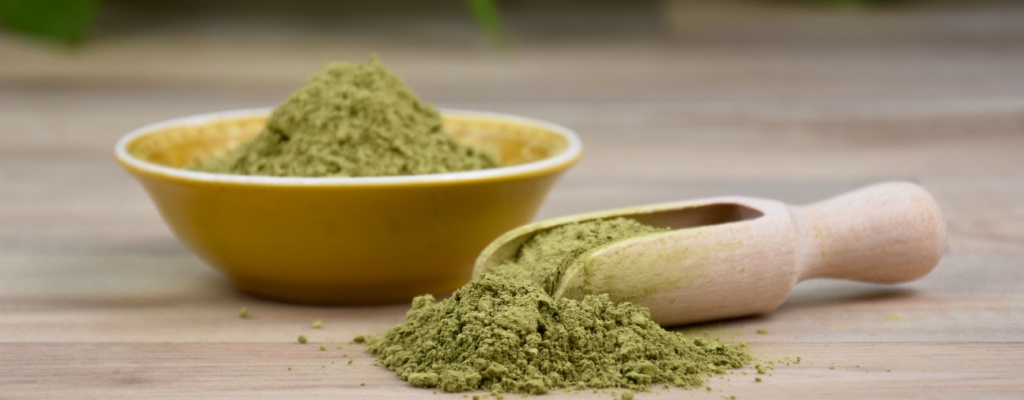
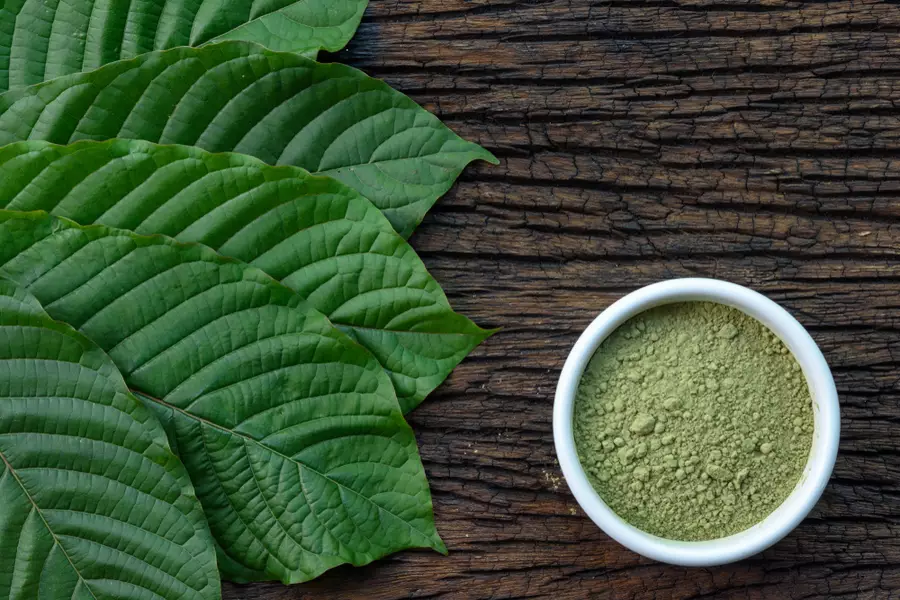
Kratom comes from the leaves of Mitragyna speciosa, a tropical tree in the coffee family that’s native to Southeast Asia. In the U.S., you’ll find it in powders, capsules, gummies, extracts, and liquid shots. The form you take it in factors into its legality in many states.
Some laws cover the whole plant. Other laws focus on concentrated 7-hydroxymitragynine, usually called 7-OH, which is a highly potent compound found in the kratom leaf. It’s currently classified as a Schedule I substance, which includes drugs with no currently accepted medical use and a high potential for abuse. Furthermore, some laws set limits on age, labeling, and alkaloid content in kratom products.
Is Kratom Federally Legal?
Given that 7-OH is a Schedule I substance, is kratom legal in the US? Kratom is federally legal, meaning that it isn’t controlled under the federal Controlled Substances Act. The Schedule I designation doesn’t apply to botanical kratom containing naturally occurring 7-OH below its specified threshold.
With that said, there is a difference between federal legality and federal approval.
While technically legal, kratom is not currently federally approved, as it isn’t lawfully marketed as an approved drug, dietary supplement, or ingredient in conventional food.
So how is kratom legal? A substance can remain outside the federal controlled-substance schedules while products containing it still run into FDA marketing and food-law restrictions.
What States Is Kratom Legal In?
Clearly, questions about the legality of kratom have somewhat nuanced answers. Many states ban kratom completely, while others allow it with specific restrictions or testing rules and labeling standards.
The chart below shows where kratom is legal, restricted, or prohibited at the state level as of August 2026. The regulation map and state tracker are useful places to check for later changes:
| State | Statewide Legal Status |
|---|---|
| Alabama | Illegal |
| Alaska | Legal |
| Arizona | Legal with rules |
| Arkansas | Illegal |
| California | Sale and manufacture prohibited |
| Colorado | Legal with rules |
| Connecticut | Illegal |
| Delaware | Legal |
| Florida | Legal with rules |
| Georgia | Legal with rules |
| Hawaii | Legal |
| Idaho | Legal |
| Illinois | Legal with rules |
| Indiana | Illegal |
| Iowa | Legal |
| Kansas | Illegal |
| Kentucky | Legal with rules* |
| Louisiana | Illegal |
| Maine | Legal |
| Maryland | Legal with rules |
| Massachusetts | Legal |
| Michigan | Legal |
| Minnesota | Legal with rules |
| Mississippi | Legal with rules |
| Missouri | Legal |
| Montana | Legal |
| Nebraska | Legal with rules |
| Nevada | Legal with rules |
| New Hampshire | Legal |
| New Jersey | Legal |
| New Mexico | Legal |
| New York | Legal with rules |
| North Carolina | Legal |
| North Dakota | Prohibited under an emergency order |
| Ohio | Natural leaf legal, several compounds prohibited |
| Oklahoma | Legal with rules |
| Oregon | Legal with rules |
| Pennsylvania | Legal |
| Rhode Island | Legal with rules |
| South Carolina | Legal with rules |
| South Dakota | Legal with rules |
| Tennessee | Illegal |
| Texas | Legal with rules |
| Utah | Legal with rules |
| Vermont | Illegal |
| Virginia | Legal with rules |
| Washington | Legal |
| West Virginia | Legal with rules |
| Wisconsin | Illegal |
| Wyoming | Legal with rules |
This chart provides general information, not legal advice.
“Legal” means there was no statewide kratom-specific ban at the time of writing. “Legal with rules” means there are restrictions or rules about age, labeling, licensing, product, or alkaloid restrictions.
Note that Kentucky’s current regulated system remains in effect through June 30, 2027. A statewide prohibition on commercial kratom activity is scheduled to begin July 1, 2027.
California prohibits commercial sale and manufacture for consumption, but doesn’t ban personal possession, similar to a controlled-substance state. Ohio allows natural kratom leaf but prohibits several kratom-related compounds.
Local rules can still change even in states where kratom is technically legal. Check your city, county, and destination before buying, carrying, or shipping kratom.

Kratom Legality: FAQs and Answers
What states is kratom illegal in?
As of August 2026, kratom is prohibited statewide in Alabama, Arkansas, Connecticut, Indiana, Kansas, Louisiana, North Dakota, Tennessee, Vermont, and Wisconsin. North Dakota’s restriction comes from an emergency order. California separately prohibits selling or manufacturing kratom for consumption.
Can cities ban kratom?
Yes. A city or county can adopt local restrictions even when state law allows kratom. Those rules can affect retail sales, online delivery, or the types of products businesses may offer. Check the rules for your exact ZIP code instead of stopping at the state line.
Do cops test for kratom?
They can, but kratom usually isn’t part of a routine drug screen. Targeted urine tests can look for mitragynine and 7-OH, and law enforcement or medical examiners may request them when kratom use is relevant to an investigation.
What cannot be mixed with kratom?
Avoid mixing kratom with alcohol, opioids, benzodiazepines, sleep medications, or other sedating substances. Kratom may interact with prescription and over-the-counter medications, and there isn’t a complete interaction list. Ask a pharmacist to review everything you’re taking before combining products.
Will kratom show up on an opioid test?
Kratom usually won’t appear on a standard opiate panel because routine screens don’t typically test for its alkaloids. A dedicated kratom test can detect mitragynine and 7-OH, though, and testing panels vary. Our kratom detection guide covers more of the timing and testing context.
Check the Law Before You Shop
Botanical kratom is still not federally scheduled, but the state and local laws are changing rapidly. The type of kratom product might matter more as time goes on, especially as governments separate natural leaf from concentrated 7-OH and related compounds.
The bottom line is that you should always check current rules before you buy, travel, or place an online order. If kratom is permitted where you live and you meet the local age requirement, you can compare formats and labels in our current collection.