
TL;DR: Hemp derived CBD comes from hemp plants that meet the federal 0.3 percent THC limit. The process runs from growing and drying through extraction, refining, formulation, and lab testing. Each stage affects what ends up in the final product. This guide follows the full path from field to shelf.
Key Takeaways:
- Hemp derived CBD comes from Cannabis sativa that has no more than 0.3 percent delta-9 THC on a dry weight basis.
- CBD is concentrated in the plant’s flowers and leaves, not the stalks or seeds.
- CO2 and ethanol are two common ways to pull CBD out of dried hemp.
- Refining steps remove waxes and fats, and heat converts the raw plant form of CBD into usable CBD.
- Testing can happen at several points, and the final product is checked for potency and contaminants.
Hemp derived CBD is a phrase that shows up on almost every CBD label. It sounds like a single fact, yet it describes a long chain of steps. Where the hemp is grown, how it is dried, and how the CBD is pulled out all shape the end result. Knowing the chain makes a label easier to read.
This guide follows hemp derived CBD from the legal definition through growing, extraction, and refining. It ends with how the finished product gets tested.
Before walking through how hemp derived CBD goes from field to finished product, Delta 8 Resellers is worth a quick stop. Use code D8SLY15 at checkout for 15% off the cart and stock up before diving in.
What Does Hemp Derived CBD Mean?
Hemp derived CBD is cannabidiol taken from a hemp plant. The term has a legal meaning, set by federal law. It also points to a specific part of the plant. Both ideas are covered below.
How Hemp Differs From Marijuana in the Law
Hemp and marijuana are both Cannabis sativa. The legal split comes down to THC. The 2018 Farm Bill defines hemp as cannabis with no more than 0.3 percent delta-9 THC on a dry weight basis. Anything above that line falls outside the hemp definition.
That one number is what makes hemp derived CBD different from CBD taken from marijuana. The plant, the compound, and the chemistry of CBD are the same. The legal source is not.
Where CBD Sits in the Plant
CBD collects in the flowers and, to a lesser degree, the leaves. Stalks and seeds hold very little. Hemp grown for CBD is bred to carry more of it than hemp grown for fiber or seed. That is why CBD farms look different from fiber farms.
Plants hold CBD in raw acid form, called CBDA. The acid form has to be changed later in the process. That step comes up in the refining section.
How Is Hemp Grown and Harvested for CBD?
Growing is the first place quality gets set. Hemp pulls up what is in the soil and water around it. Growers pay attention to soil, seed, and timing for that reason. Harvest and drying follow.
Growing Conditions
Growers pick seeds or clones bred for high CBD and low THC. Hemp needs sun, space, and steady water. Soil testing helps growers avoid pulling up unwanted material. Some farms follow organic rules, and others use conventional methods.
Because hemp absorbs from the ground, field history matters. A grower who documents what went into the soil has an easier time passing later tests. Farm records become part of the paper trail.
Harvest and Drying
Farms harvest when the flowers reach the right stage. Growers often test plants for THC before cutting, since going over the legal limit causes problems. After harvest, the plants are dried, usually in controlled rooms with airflow. Proper drying prevents mold.
Dried flower is then trimmed and stored until it moves on to extraction. Storage conditions affect how much CBD is left. Well-handled flower arrives at the extractor in good shape.
How Is CBD Pulled Out of Hemp?
Extraction moves CBD from the plant material into a concentrated oil. Methods differ by maker, and the choice affects the result. Shoppers looking for high quality CBD often see the method listed on the product page. Two methods are common.
CO2 Extraction
CO2 extraction uses carbon dioxide under pressure and temperature control. In that state, the CO2 acts like a solvent and strips CBD from the plant. When the pressure drops, the CO2 turns back to gas and leaves the extract behind. No liquid solvent stays in the oil.
The method needs specialized equipment, which can raise costs. It gives makers fine control over what is pulled out. Many brands name CO2 on their labels for that reason.
Ethanol Extraction
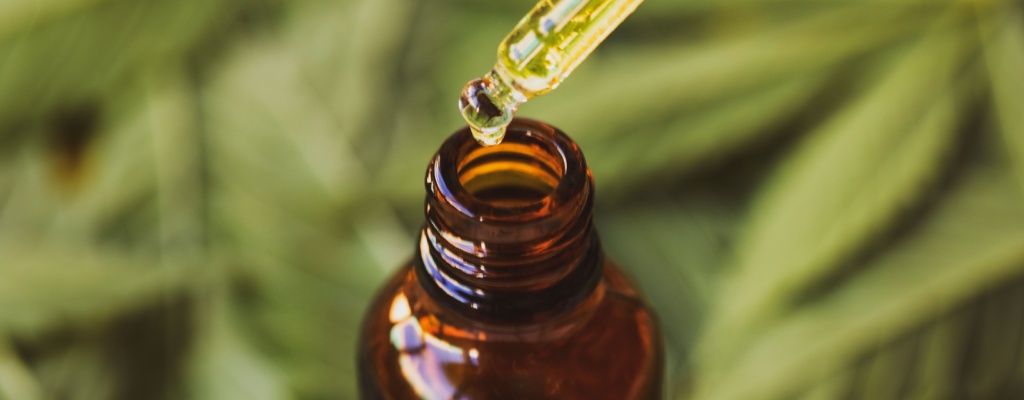
Ethanol extraction soaks hemp in food-grade alcohol. The alcohol draws out CBD and other compounds. The liquid is then filtered, and the alcohol is evaporated away. What remains is a crude extract.
The method is scalable and works at different sizes. Ethanol also pulls chlorophyll and waxes along with the CBD. That is why the refining stage matters for this method.
How Is the Extract Refined and Made Into Products?
A crude extract is not ready for sale. Refining cleans it up and gets the CBD into usable form. Formulation then turns the extract into the products seen on shelves. The two stages are covered below.
Refining Steps
Winterization chills the extract in alcohol so that fats and waxes separate out, then filtering removes them. Heat is used to convert CBDA into CBD, a step called decarboxylation. Distillation can then purify the extract further. Each step cuts down unwanted material.
Whether THC is kept, reduced, or removed is decided in refining too. That choice sets the spectrum type on the label. Refining is where full spectrum, broad spectrum, and isolate begin to differ.
Formulation Into Finished Products
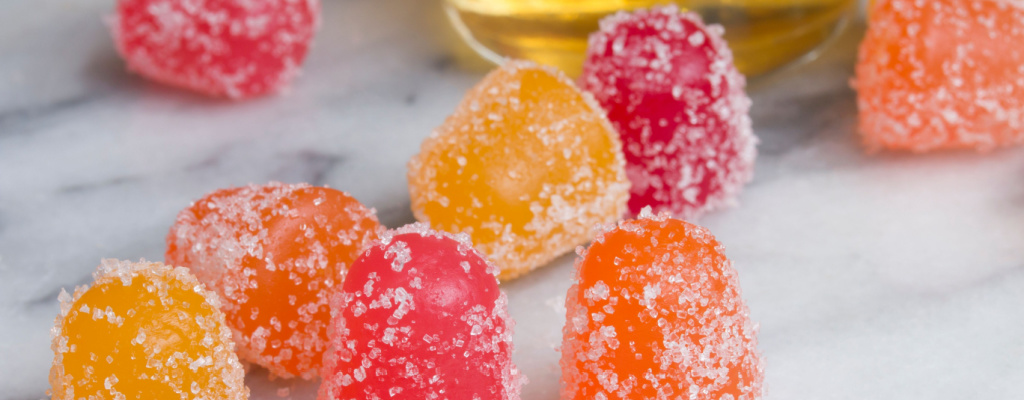
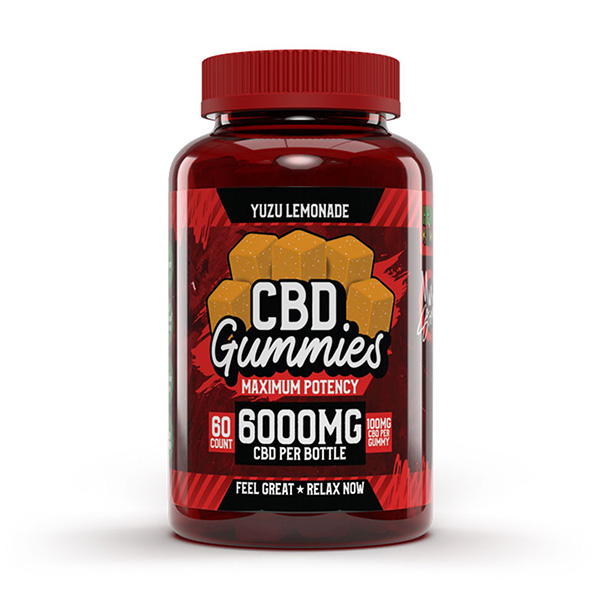
Refined extract goes into many product types. In CBD edibles, the extract is mixed into gummy batter, poured into molds, and set. Each piece is then portioned to the mg amount on the label.
Topicals mix extract with waxes, butters, and oils. Shoppers browsing premium CBD products in the topicals section will see these blends. Oils and vape liquids pair the extract with a carrier. Each format has its own recipe.
How Is Hemp Derived CBD Tested?
Testing happens at more than one point. A grower may check THC in the field, and the maker may test the extract. The finished batch then gets a final review. Third-party labs handle most of this work.
What Labs Screen For
A potency test measures CBD and other cannabinoids, including THC. Labs also screen for contaminants. These often include pesticides, heavy metals, residual solvents, and microbes like mold. Each category has its own method.
Results land in a report tied to one batch. That report ties the product back to the process described above. A clean report means the steps worked as planned.
Why Batch Reports Matter
The best CBD products make their lab reports easy to find. The batch on the report should match the batch on the package. Reports from an outside lab carry more weight than ones a brand writes for itself.
Hemp derived CBD can vary from batch to batch, since plants and runs differ. A report ties a product to the exact batch in hand. Missing paperwork is a reason to look elsewhere.
Final Thoughts
Hemp derived CBD starts with a plant that meets the federal 0.3 percent THC limit. It then moves through growing, drying, extraction, refining, formulation, and testing. Each stage leaves a mark on the finished product.
The label is the summary of that chain, and the lab report is the evidence. Reading both makes hemp derived CBD easier to judge. A product that explains its process and shares its tests is a good sign.
FAQs
What does hemp derived CBD mean?
It means CBD taken from hemp, which federal law defines as cannabis with no more than 0.3 percent delta-9 THC on a dry weight basis.
Is hemp derived CBD the same as marijuana-derived CBD?
The CBD compound is the same. The difference is the source plant and its legal THC level.
How is CBD extracted from hemp?
Common methods use pressurized CO2 or food-grade ethanol to pull CBD from dried hemp. The extract is then refined into its final form.
Does hemp derived CBD contain THC?
It can contain trace THC, depending on the extract type. Hemp products stay within the 0.3 percent limit, and a lab report shows the exact amount.
How can a shopper confirm hemp derived CBD is tested?
Look for a third-party lab report matching the batch number on the package. The report should show cannabinoid amounts and contaminant results.