
TL;DR: Organic CBD is made from hemp grown and handled under USDA organic rules. The word can mean very different things on a package, from fully organic to one organic ingredient. A certifier name or a database listing backs the claim, and a lab report still shows potency. This guide covers the label tiers, what organic does and does not cover, and how to check a claim.
Key Takeaways:
- Organic CBD follows rules set by the USDA National Organic Program, not by the brand.
- Label tiers run from 100% organic down to made with organic ingredients, and each tier has its own rules.
- Organic can apply to the hemp, to other ingredients, or to both, so the exact wording matters.
- Organic status says nothing about potency, so a lab report is still needed.
- A certified claim can be checked in the USDA Organic Integrity Database.
Organic CBD sounds simple, but the word carries a lot of rules. In the United States, organic is a legal term, not a style choice. A package that uses it has to meet standards set by the federal government. The hard part is knowing which part of the product those standards cover.
This guide starts with where the word comes from. It then breaks down the label tiers, what organic does and does not cover in a CBD product, and how to verify a claim.
Before breaking down what organic CBD means on a label, Delta 8 Resellers is worth a quick stop. Use code D8SLY15 at checkout for 15% off the cart and stock up before diving in.
Where Does the Word Organic Come From?
Organic is defined by federal law, not by marketing. The USDA runs the rules through the National Organic Program. Farms and makers that use the word have to follow them. The next two sections cover who enforces the rules and why they matter for hemp.
Who Sets and Enforces the Rules
The USDA National Organic Program sets the standards for any product labeled organic. Independent certifying agents inspect farms and makers, then approve them. Inspections repeat on a schedule, and records get reviewed. A brand cannot award itself the label.
Organic farming rules limit synthetic pesticides and ban genetically engineered seeds. They also call for a soil care plan. Organic CBD built on those rules starts with a documented farming method.
Why Growing Conditions Matter for Hemp
Hemp pulls up what is in the soil around it. That trait is the reason growing conditions get so much attention in the CBD world. Soil managed under organic rules is one way growers address it.
Organic is not the only way to grow careful hemp. It is one that comes with outside inspection. The farm’s records and certificate hold the proof.
What Do the Organic Label Tiers Mean?
Organic on a label can mean four different things. Federal rules split claims into tiers based on how much of the product is organic. Reading the exact wording shows which tier a product sits in.
The Percent Tiers
A product labeled 100% organic has only organic ingredients. A product labeled organic must be at least 95 percent organic, not counting water and salt. Both can carry the USDA seal.
A third tier, made with organic ingredients, requires at least 70 percent. That tier cannot use the seal. Below 70 percent, a product can only point out organic items on its ingredient list.
The Seal and the Certifier’s Name
A certified product lists the name of its certifying agent on the package, usually under the maker’s name. The seal can appear when a product meets the top two tiers. A bare word like organic with no certifier is a reason to look closer.
Words like natural and eco-friendly are a different story. They do not come with inspection or a certifier. Only the organic claim carries federal rules.
What Does Organic Cover in a CBD Product?
A CBD product has many ingredients, not just hemp. The organic claim may cover all of them, some of them, or only the hemp. The label has to say which. Two product types show how this plays out.
Edibles and Their Added Ingredients
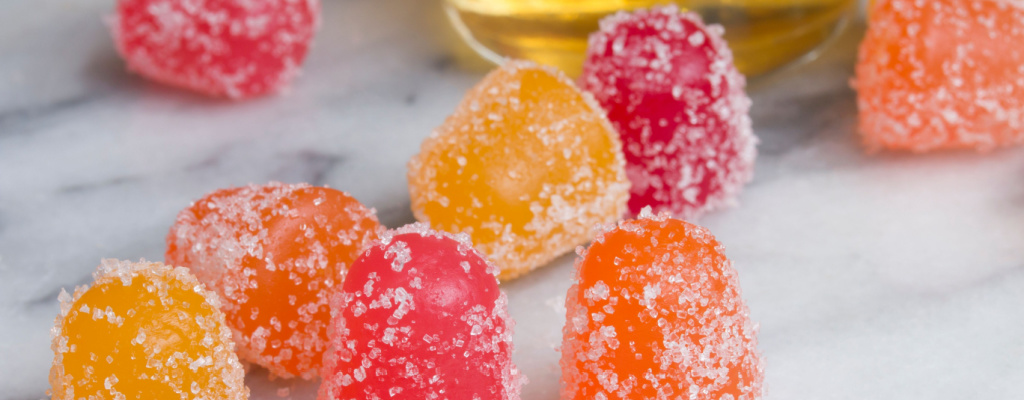
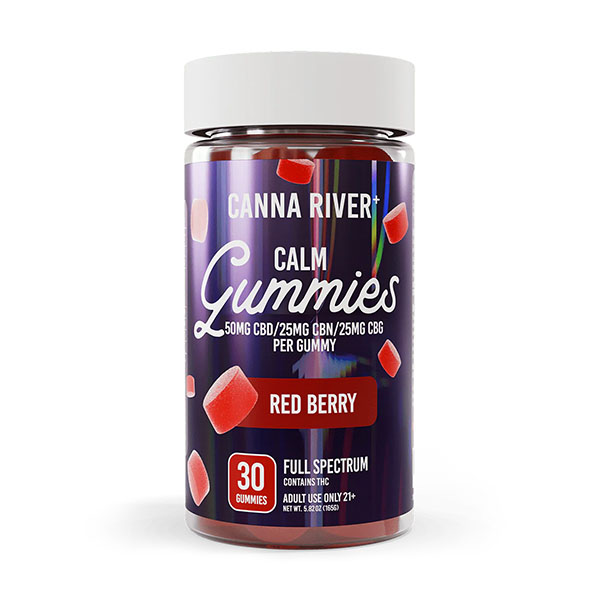
A gummy holds CBD, sweeteners, pectin, flavor, and color. In CBD edibles, an organic claim can apply to the hemp extract while other ingredients are not organic. The ingredient list shows which items carry the mark.
That is why the tier matters. A gummy made with organic ingredients is a different claim than a fully organic one. Comparing the wording across jars makes the difference clear.
Oils and Topicals
An oil pairs hemp extract with a carrier, such as a plant oil. The carrier can be organic or not, and the label should say. A claim on the front of the bottle should match the ingredient panel on the back.
Topicals add waxes, butters, and scents. Shoppers browsing premium CBD products in the topicals section will see a mix of claims. Each item’s label is the source of truth.
What Does Organic Not Tell a Shopper?
Organic describes how ingredients were grown and handled. It leaves several other questions open. Strength, extract type, and test results all come from other places. The next two sections cover the gaps.
Not a Strength Rating
Organic does not state how much CBD is in a product. Two organic items can hold very different amounts. The mg figure on the label covers strength.
It also does not describe the extract type or the THC level. Organic status does not make high quality CBD by itself, whether the product is a gummy or a vape liquid. Those details live on a separate report.
Not a Substitute for Testing
A third-party lab report, called a COA, shows what a batch holds. It lists cannabinoid amounts and often screens for contaminants. Organic status alone does not replace that report.
The best CBD products pair an organic certificate with a batch report, since each one answers a different question. The certificate covers how the hemp was grown. The report covers what ended up in the product.
How Can an Organic Claim Be Verified?
A claim is easy to make and just as easy to check. The USDA keeps public records for this reason. A few minutes of searching can confirm a label. The steps below show where to look.
Searching the USDA Database
The USDA keeps a public listing of certified operations called the Organic Integrity Database. A shopper can search for the maker, the farm, or the certifier’s name. A match shows the operation’s status and what it is certified for.
Certification belongs to an operation and to specific products. A listing for a farm does not automatically cover every item a brand sells. Matching the product type to the listing closes that gap.
Asking for the Paper Trail
A certificate of organic operation is the document behind a claim. Brands with real certification can usually share it or point to the certifier. The legal name on the certificate should match the name on the package.
Hemp supply chains have several hands, from farm to extractor to final brand. Each step that handles organic material has its own certification requirements. Asking where the certified hemp came from fills in the picture.
Final Thoughts
Organic CBD is a claim with federal rules behind it, and the rules split into tiers. The word on the front only means something when the tier, the certifier, and the ingredient list agree. A claim that covers only part of a product is still a real claim, just a narrower one.
Organic answers how the hemp was grown, not how strong a product is. Pairing a verified claim with a batch report covers both questions. That combination makes organic CBD easy to judge.
FAQs
What does organic CBD mean?
It means CBD made from hemp grown and handled under USDA organic standards. The label tier shows how much of the product meets them.
Is organic CBD stronger than other CBD?
No. Organic describes how ingredients were grown and handled, not how much CBD a product holds. The mg amount on the label covers strength.
How can a shopper tell if organic CBD is certified?
Look for a certifier’s name on the package and search for the maker in the USDA Organic Integrity Database. A listing confirms the operation is certified.
Is organic CBD the same as natural CBD?
No. Organic is a federally defined claim with inspections. Natural has no matching certification.
Does organic CBD still need a lab report?
Yes. A COA shows what a batch holds, including cannabinoid amounts. Organic status does not cover those numbers.