
TL;DR: Vaping and smoking both deliver cannabinoids through the lungs, but they work differently. Smoking burns flower and creates smoke, while a vape uses a battery-powered coil to heat oil or flower and create an aerosol without combustion.
- Most vapes use a battery, heating coil, oil reservoir or cartridge, and mouthpiece to create inhalable aerosol.
- Vape pens may be draw-activated or button-activated, while reusable 510 batteries connect to compatible cartridges.
- Vaping can feel smoother than smoking because there’s no hot combustion smoke, but a smooth hit can still be strong.
- Vaping and smoking both work quickly, and potency, draw length, device settings, and tolerance can all change the experience.
- Vaping avoids smoke, but it isn’t risk-free, so product quality and proper device use still matter.
Smoking and vaping seem pretty similar, at least on the surface. You heat a product, inhale, and feel the effects quickly. The big difference is what the heat does.
Vaping, despite what it may look like, doesn’t involve smoking at all. Smoking burns flower and creates smoke. When you vape, an oil containing cannabinoids is heated by a coil inside of a vape pen, creating an aerosol that most people call vapor. The oil or flower itself is never set on fire.
That might seem like a small difference, but it transforms the smell, feel, equipment, and sometimes even the overall experience of enjoying your favorite substances.
So, what else distinguishes vaping vs smoking? How does a vape work? Keep reading to learn more about smoking and vaping cannabinoids.
How Does a Vape Work? The Basics
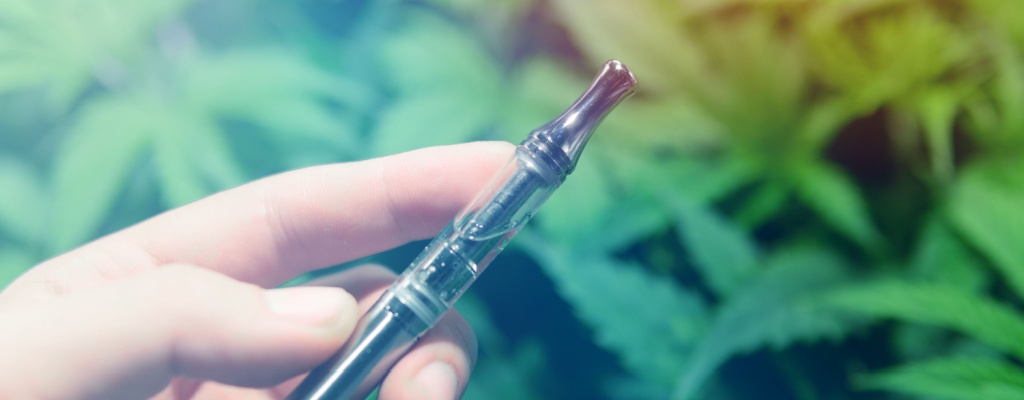
Vapes come in many forms, including disposable vapes and reusable vape batteries (also called vape pens) that attach to cartridges. However, they all work similarly.
Vapes come in a few different formats, but most oil-filled disposables and cartridge setups use the same basic parts:
- A battery, which supplies the power.
- A heating element, also called a coil or atomizer, which warms the vape oil.
- A cartridge, pod, or built-in reservoir, which holds the oil. In many cartridges, the coil and wick are built into this piece.
- A mouthpiece, which gives the aerosol a path out of the device.
When you inhale or press the activation button, the battery sends power to the coil. The coil warms the oil enough to create an aerosol (the “vapor” in “vape”). You inhale that aerosol through the mouthpiece.
A dry-herb vaporizer works a little differently because it heats flower instead of oil, but the main idea is the same. All types of vapes heat a substance without setting it on fire.
How Does a Vape Pen Work?
Some vape pens activate automatically when you inhale. Others have a button that you press or hold while taking a draw.
With a reusable 510 setup, the vape pen is the battery. The cartridge holds the oil and usually includes the mouthpiece, coil, and wick. Most 510 cartridges screw onto a compatible rechargeable battery.
A disposable vape combines the battery and oil chamber in one unit. It may be draw-activated, button-activated, or both. Either way, the battery powers the coil, the coil heats the oil, and the aerosol travels through the mouthpiece.
How Does a Vape Cartridge Work?
- If you’re wondering “How does a vape cartridge work?”, there’s a simple answer.
The cartridge itself doesn’t have moving parts or components that activate and deactivate. Instead, a vape cart’s role is to hold the liquid until it’s time to be drawn into the heating chamber.
The cartridge can be a chamber built into a disposable vape. It can also be a separate unit that screws into a reusable vape pen.

What Do Voltage and Preheat Settings Do on a Vape?
There are levels to vape technology. Basic vapes are no-frills. They heat the cannabinoid liquid (or other active ingredients) when activated, and that’s about it.
More advanced vapes give users additional control over their experience. Some vape pens allow you to adjust the heat setting. That can be achieved by pushing a button on the vape. A light somewhere on the vape will usually change color to indicate the changed setting.
You may also find vapes with buttons and a small display screen that displays information about the device. These vapes can allow for more precise control of the heat and other settings.
Some vapes allow you to preheat before drawing by holding down the button or pressing it in a certain sequence. This can help move thicker vape liquids and concentrates toward the heating element.
Advanced vapes may also offer extra features like different color and light intensity settings. These features don’t affect the actual process of vaping. Instead, they offer users the opportunity to change their vape’s aesthetics.
Vaping vs. Smoking: What’s the Actual Difference?
Smoking burns flower. Vaping heats oil or flower without burning it. That’s the actual difference between vaping and smoking.
Smoking involves applying heat directly to cannabinoid flower until it burns or combusts. The active ingredients and plant material both burn, and you inhale the smoke.
Vaping heats concentrates to a temperature below combustion, as WeedMaps points out. The active ingredients and carrier oil vaporize but do not burn.
Both vaping and smoking deliver cannabinoids through the lungs, so their effects can begin quickly. However, the product strength, equipment, smell, inhale, and amount delivered in each draw can all be different.
Does Vaping Produce Smoke?
A vape doesn’t produce smoke when it’s working as intended because nothing is burning. It creates an aerosol, which is a cloud of tiny droplets and particles made by heating the oil or other vape material. Most people call that aerosol “vapor.”
Is Vaping Safer than Smoking?
Vaping concentrates appears to be less harmful than smoking. The Canadian Journal of Public Health explains this reduction in harm with vaping in more detail:
“Cannabis vaporizer use can reduce the emission of carbon monoxide, chronic respiratory symptoms, and exposure to several toxins while producing similar subjective effects and blood THC concentration compared with smoking cannabis, holding potential for harm reduction among habitual cannabis smokers.”
We want to be clear that vaping isn’t completely risk-free. However, it is thought to be significantly less harmful overall than smoking.
Other benefits of vaping in comparison to smoking include:
- Reduced odor and staining. Vapor doesn’t smell as strongly, last nearly as long, or carry its scent as far as smoke. Vape pens are a popular choice for people who don’t want to broadcast their enjoyment of cannabinoids. Vapor also doesn’t generally stain walls, skin, nails, or teeth.
- All-in-one unit. As long as it’s charged, a disposable vape or vape cart screwed into a vape pen has everything you need to enjoy your cannabinoids. There’s no need to carry a lighter, matches, separate bag of flower, or other accessories.
There aren’t many downsides to vaping, but it’s only fair to mention a relatively common one. People who are used to smoking may feel like they aren’t getting enough of a draw from a vape. That’s especially true when those users try vaping for the first time.
Despite that feeling, the vape is usually working in these situations. Vapor is simply less robust than smoke. It won’t produce the same flavors or sensations in the lungs. Because vapes appear to reduce health risks as compared to smoking, that’s ultimately a good thing.
Does Vaping Hit Different Than Smoking?
For some people, vaping definitely hits different, but it usually comes down to the specific product you’re using. Most vape cartridges use concentrated oil, so a short draw may still deliver a substantial amount of cannabinoids. Flower can also vary pretty widely in potency.
In one recent study of adults who didn’t use cannabis often, vaporized flower produced stronger effects and higher blood THC levels than the same THC dose delivered through smoking.
Still, don’t assume every hit from a vape is going to be more intense than every joint. There’s no puff-for-puff conversion chart, so your mileage may vary. But, the takeaway is, a smooth hit doesn’t mean a weak hit.
Is Vaping Smoother Than Smoking?
Vaping doesn’t create hot combustion smoke, so the inhale might feel lighter or less scratchy. However, a device that’s running too hot (or factors like the length of your draw) can still make you cough. Ultimately, though, folks love vaping because a concentrated vape oil can deliver pretty strong effects even when the draw feels light.
Frequently Asked Questions About Vaping and Smoking
Do Vaping and Smoking Use the Same Amount of Material to Get the Same Effect?
Not necessarily. Smoking normally uses flower, while most vape pens use concentrated oil. That means one gram of flower and one gram of vape oil don’t represent the same dose.
Puff counts aren’t always a dependable conversion either. Product potency, battery voltage, cartridge design, draw length, and the person using it can all change the result.
Don’t try to match a joint and a vape hit for hit. Take a smaller draw when you’re trying an unfamiliar device or product, then give the effects time to develop.
Can You Put Flower in a Regular Vape Pen?
Only if the device is specifically designed as a dry-herb vaporizer. Standard cartridge pens and disposable vapes are made for the oil or concentrate already inside the cartridge or chamber.
Don’t pack loose flower into an oil cartridge or add substances the device wasn’t designed to heat. Use each vape only with the materials listed in its instructions.
Do All Vape Cartridges Fit Every Vape Pen?
No. Many cartridges and rechargeable batteries use 510 threading, which is a common industry connection. However, pod systems and some brand-specific devices use proprietary cartridges.
Check the cartridge and battery descriptions before purchasing them separately. Both should list the same connection type or compatibility information.
Finding High-quality Vapes, Pens, and Carts
Considering switching to vaping, or using vapes along with smoking cannabinoids? Delta 8 Resellers partners with exceptional industry brands to bring you the very best in cannabinoid vapes. That includes vape carts, disposable vapes, and vape pens and batteries.