
TL;DR: Magic mushrooms usually do not show up on standard 5-panel or common 10-panel drug tests because those panels do not normally include psilocybin or psilocin. A laboratory can run a targeted psilocin test, usually using urine or blood, when mushroom use is specifically suspected. In a controlled study, free psilocin in urine generally fell to the assay’s quantitation limit around 24 hours, but there is no guaranteed cutoff. Check the full ingredient list on mushroom products, too, because blends containing Delta 8 or Delta 9 can trigger a THC result.
- Standard DOT 5-panel tests do not include psilocybin.
- Common 10-panel tests generally do not include it, but panel contents can vary.
- Specialized laboratory tests can look specifically for psilocin.
- Detection depends on the test method, dose, timing, and your metabolism.
- Mushroom products containing THC have a separate drug-test risk.
Do mushrooms show up on drug tests? Usually not on a standard workplace screen. However, if someone orders a specialized test for psilocin (or when a “mushroom” product also contains an ingredient, such as Delta 8 or Delta 9 THC, that the panel already checks), you could end up in trouble.
Also, it’s important to remember that “mushrooms” is a broad category. Magic mushrooms, functional mushrooms, Amanita products, and mushroom-cannabinoid blends are not the same thing, and they don’t all come with the same testing concerns. Here’s how mushrooms and drug tests actually line up.
The Basics on Magic Mushrooms and Drug Testing
What are Magic Mushrooms?
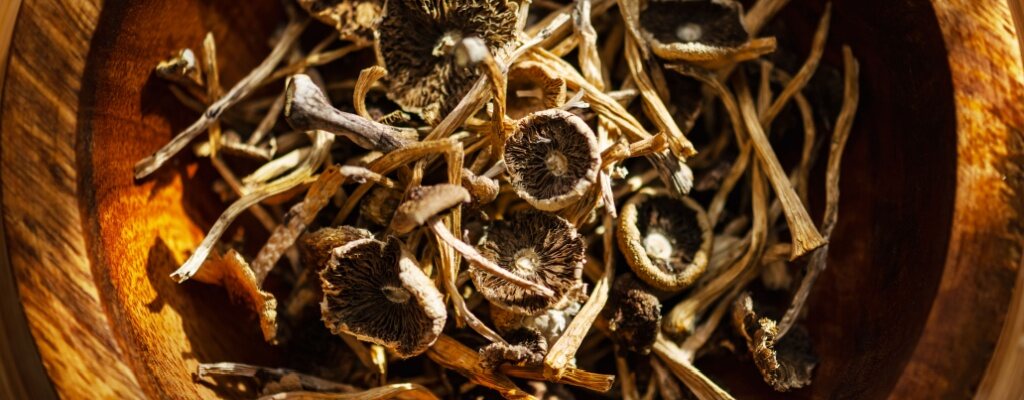
Magic mushrooms are mushroom species that contain psilocybin and psilocin. After you consume psilocybin, your body rapidly converts it into psilocin, the active metabolite mainly responsible for psychedelic effects.
This guide focuses specifically on psilocybin mushrooms. Products made with functional mushrooms, Amanita ingredients, cannabinoids, or a blend might have different ingredients, some of which may show up on drug tests, so do your homework.
When consumed, psilocybin is processed by the body and becomes psilocin. This chemical produces certain effects as it interacts with the body’s serotonin receptors.
Possible psychoactive effects of magic mushrooms can include:
- Visual hallucinations, such as intricate details and moving patterns.
- Altered perceptions, such as more vivid colors and richer or more detailed sounds.
- Feelings of euphoria and peacefulness.
- A greater sense of connection to the universe, nature, or other people.
- Introspection and deep, profound, or seemingly profound thoughts.
- Decreased or absent sense of self, also called ego death.
Side effects of magic mushrooms are undesired or unintended, but can occur. They may be more common when users take especially large doses, especially for inexperienced users.
These unwanted effects can include:
- Anxiety and panic attacks.
- Nausea and vomiting.
- Lack of coordination.
- Delayed response times.
- Headaches.
- Bad trips – frightening or upsetting experiences overall.
Legality of Magic Mushrooms
Magic mushrooms and their active ingredients are illegal at the federal level. They’re included on the Drug Enforcement Administration’s (DEA) Schedule I controlled substances list.
State rules are a little more complex. For example, Oregon allows regulated psilocybin services for adults 21 and older at licensed service centers, while Colorado permits certain personal-use activities and operates a regulated natural-medicine program. Those state frameworks do not change federal law, as law firm Rodemer Kane explains.
The legality of magic mushrooms will likely remain in flux as more states consider decriminalization and legalization.
Magic Mushrooms and Drug Testing
Do magic mushrooms show up on a drug test? There are tests that can detect the presence of magic mushroom use. Specifically, tests detect the metabolites that form in the body after consuming this substance. This is similar to how drug tests detect many other types of substances.
However, standard drug tests don’t generally include magic mushrooms. Why? Let’s take a closer look.
Do Magic Mushrooms Show Up in a Drug Test?
Usually, drug tests cannot detect magic mushroom use on a routine panel. Even tests that do don’t test for “mushrooms” as a general category. Some tests specifically includes psilocybin, psilocin, or another ingredient in the product, however.
As Drugs.com points out, the following types of drug tests can be used to identify mushroom use: urine tests, blood tests, hair follicle tests (with a months-long detection window), saliva tests, and fingernail tests (also with a months-long detection window).
These tests may be used in specific contexts, such as when an authority like the court system or law enforcement suspects someone is under the influence of magic mushrooms. They may also be used in a forensic capacity.
Do Standard 5-Panel or 10-Panel Drug Tests Detect Mushrooms?
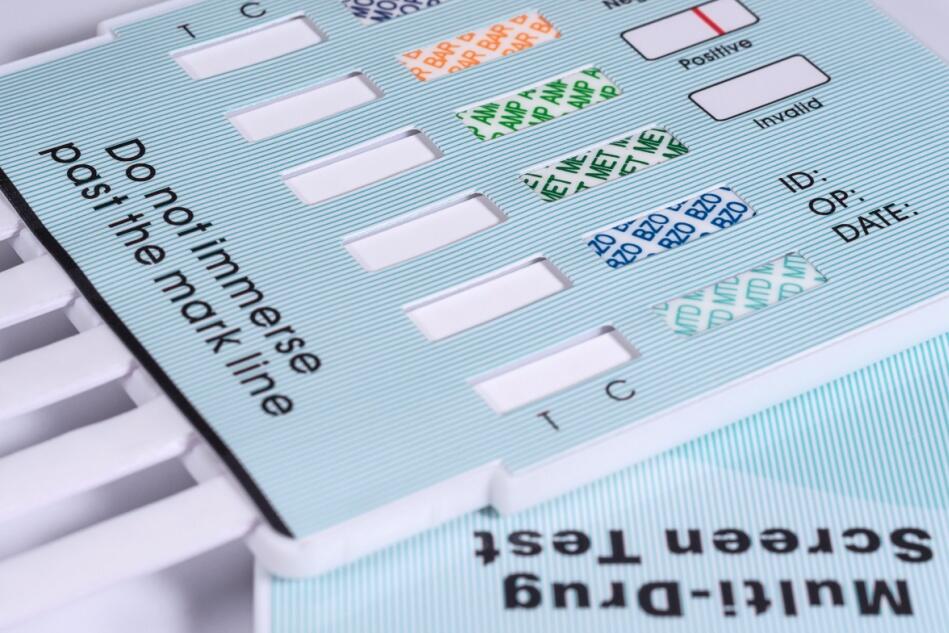
No. A standard DOT 5-panel test looks for marijuana metabolites, cocaine metabolites, amphetamines, opioids, and PCP. Psilocybin and psilocin are not on that list.
Common 10-panel workplace tests tend to test for several other drug classes, but they generally don’t add psilocybin. Non-DOT panels can be customized, though, so “10-panel” doesn’t actually describe one universal list. Always check the test order or ask the testing provider if you need to make sure.
Can You Drug Test for Mushrooms?
Laboratories can use targeted testing, such as LC-MS/MS, to look for psilocin in your urine or blood. This is a specialized order, not part of most workplace drug screens.
You might be tested for magic mushrooms if someone specifically suspects psilocybin exposure, such as in a clinical, forensic, court-related, probation, or impaired-driving investigation. Depending on the situation, a clinician, medical examiner, court program, or law-enforcement agency may request it.
Keep in mind the intent behind the use of magic mushrooms and their resultant effects. Workplace drug testing is often focused on more common substances that can cause safety and liability issues for employers.
While using mushrooms before or during work can certainly lead to impairment, they are not as common as other substances. Additionally, magic mushrooms are not frequently cited as a cause of workplace safety accidents or incidents.
How Long Do Mushrooms Stay in Your System for a Drug Test?
Medical News Today reminds us that the metabolites of magic mushroom use leave the body very quickly – usually in about 24 hours for urine tests, for example. That means the detection window for tests like urine tests are very short, except for more expensive hair follicle and nail tests. This may influence the decision not to include them in standard drug testing.
Can a Mushroom Product Trigger a THC-Positive Result?
If the formula you’ve taken contains Delta 8, Delta 9, or another cannabinoid that produces a tested THC metabolite, you can test THC-positive after taking magic mushrooms. That’s because a lot of standard cannabinoid screens can’t distinguish Delta 8 exposure from Delta 9 exposure.
Always read the full ingredient list and available lab report before using a mushroom product, especially if you might have to pass a drug test.
FAQs and Answers About Magic Mushrooms and Drug Testing
Can Eating Mushrooms Cause a False Positive on a Drug Test?
Eating ordinary culinary mushrooms or a product containing only non-intoxicating functional mushrooms is not expected to produce a confirmed positive for the substances on a standard drug panel. Those tests look for specific drugs and metabolites, not mushrooms as a general category.
Preliminary immunoassay screens can sometimes cross-react with unrelated compounds, which is why you should always confirm any type of nonnegative screening result with a more specific laboratory method. Also check the product label: if a mushroom gummy contains Delta 8 or Delta 9, a THC result would reflect the cannabinoid ingredient rather than a false positive caused by the mushroom.
Do Employers Ever Test Specifically for Psychedelics?
They can, but it is not routine. Most workplace programs use a defined standard or employer-selected panel, and psilocybin is usually not included in common five-panel or ten-panel testing.
An employer could request nonstandard or specialized testing when its policy and applicable law allow it, especially when a specific substance is suspected. Check the actual test order or ask the testing provider rather than assuming one way or the other.
Do Functional Mushrooms Show Up on a Drug Test?
A product containing only non-intoxicating functional mushrooms is not a standard drug-test target, but pay attention to the rest of the formula. If it also contains Delta 8, Delta 9, or another tested substance, that added ingredient may affect the result.
Check the complete ingredient list and available lab report instead of relying only on the product name or front label.
Explore Mushroom Products from Delta 8 Resellers
Delta 8 Resellers offers a wide variety of functional and recreational mushrooms that are legal on the federal level. These mushrooms are rarely, if ever, included on drug tests and come from trusted, industry-leading brands carefully vetted by our team.