
TL;DR: Hemp-derived cannabinoids (and even beginner-friendly mushroom products) can feel confusing at first, but this guide breaks down the core terms and chemistry so you can choose products based on the effects you want and start low and safely. It also clarifies how “strain” labels work in real life and why potency, terpene profiles, and personal response matter most.
- The differences between hemp vs. cannabis, plus how indica, sativa, and “hybrid” labels typically map to effects
- What THC, CBD, and CBG do in the body, including why THC is intoxicating, and CBD/CBG aren’t
- How terpenes and phenolics contribute to aroma, flavor, and the “entourage effect.”
- What Delta numbers mean (Delta-8, 9, 10) and how their experiences and potency compare, including THC-P’s high receptor binding
- A simple framework for mushroom products: functional options (lion’s mane, reishi, turkey tail) vs. recreational choices (like amanita)
Hemp-derived cannabinoids continue to grow in popularity, and there’s plenty to learn about them. It can be overwhelming at first, but with our help, you can find the perfect strain for beginners.
We’ll start with the basics, introduce you to a few newcomers, and link you onward to the deeper science. We’ll even take a look at functional and recreational mushroom strains to help round out the information.
But, more than anything, this guide will give you the confidence to get started and find out what cannabinoid products best meet your needs. With the help of our expert support staff, you can get exactly what you want from your cannabinoid experience – and only what you want.
Cannabis vs. Hemp
Both cannabis and hemp come from the same cannabis plant. Hemp varieties are low in psychoactive chemicals. They grow tall and skinny because growers have bred them for fiber production. Cannabis plants, bred for flowers, have lots of side branches that give them a bushy appearance.
For millennia, humans have used these plants as medicine, in religious rituals, and for recreation. Growers have nurtured a great variety of cannabis strains with unique chemical combinations.
The myth about George Washington growing hemp is, at least, partially true. At Mt. Vernon, he grew a low-THC variant of Cannabis Sativa for making rope, thread, canvas, and nets. He considered selling it as a cash crop – but later decided to grow wheat for market and hemp for use on the farm.
As far as we know, Mt. Vernon has no record of Washington growing high-THC varieties of cannabis.
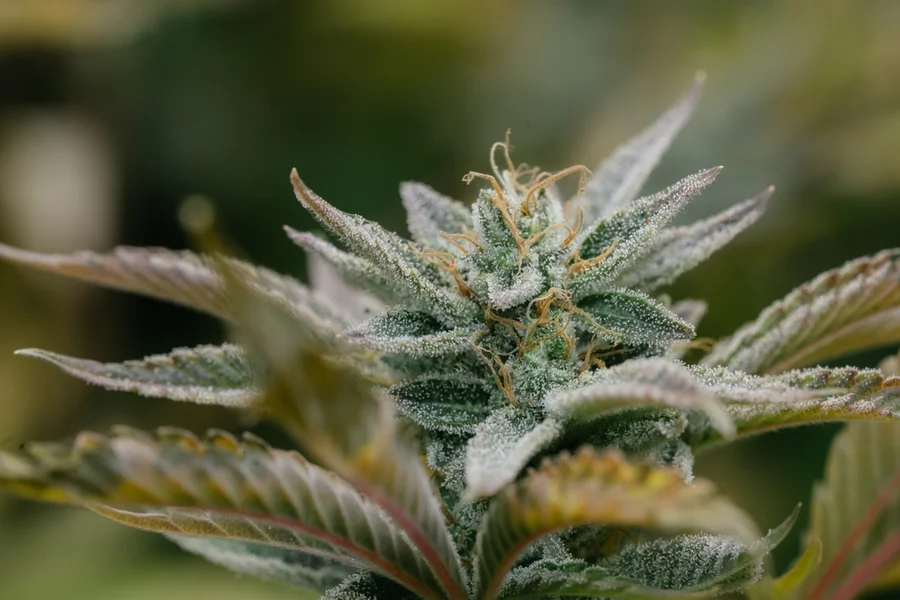
What is Indica? What is Sativa?
Cannabis growers typically recognize three species (or sub-species) of cannabis: Cannabis Indica, Cannabis Sativa, and Cannabis Ruderalis.
Historically, cannabis began in Tibet over 27 million years ago. It spread west into Europe as Cannabis Sativa around 1.5 million years ago, with higher CBD levels as compared to THC. The Asian variant, Cannabis Indica, developed higher THC levels and lower amounts of CBD.
However, don’t be confused. The names indica and sativa, as used today, have very little to do with these historical names.
Psychological researchers report that sativa users often feel alert, energized, and motivated. In contrast, indica users typically experience relaxation and sleepiness. So, if you’re going to sleep (or need help getting to sleep), consider an indica. If you’re having a party, you might want to try a sativa.
The best and worst strains for beginners depend in large part on potency and effects. It’s not as important to find the best indica strain for beginners as it is to recognize the difference in effects between sativa and indica strains overall.
Growers typically don’t grow Cannabis Ruderalis on its own because of its low THC levels. Instead, they crossbreed it into sativas and indicas, so these high-THC varieties gain ruderalis’ convenient auto-flowering trait.
What are Delta-8 Hybrids?
Growers often breed indicas with sativas to combine desired traits. Of course, they also breed indicas with indicas and sativas with sativas. With the added complexity of ruderalis hybridization, the word “hybrid” can mean almost anything.
Cannabis retailers often use the term sativa to mean energetic, indica to mean “in da couch”, and hybrid to mean a blend of the two. As a beginner, you can ask our experts, read reviews, and experiment very carefully with new-to-you products.
At the end of the day, everyone experiences THC (and all the other compounds in cannabis) differently. The best weed strains for beginners depend on how each strain affects you personally and what you want out of your cannabinoids. You’ll need to gently discover what’s right for your body and your mind.
What is THC?
Researchers have identified over 100 phytocannabinoids (cannabinoids for short). These chemical compounds interact with endocannabinoid receptors in our brains and nervous systems. They also connect with receptors in our hearts, lungs, immune systems, gastrointestinal tracts, reproductive organs, adrenal glands, and bladders.
The most well-known chemical compound in cannabis is Δ9-tetrahydrocannabinol (Delta-9 THC). Delta-9 THC is the most common type, but we’ll discuss that later.
For now, all you need to know is that THC is the chemical in cannabis most responsible for getting people high. For example, many regulators use THC levels to determine the difference between hemp and cannabis.
When purchasing cannabis products for medical or recreational use, be sure to check out their THC percentages/concentrations. When in doubt, consume a lower amount than recommended, especially at first.
Of course, ask your doctor whether cannabis is right for you, which dosage is best, and what THC/CBD/CBG percentages are appropriate.
What is CBD? What is CBG?
Cannabidiol (CBD) and it’s lesser-known cousin Cannabigerol (CBG) have much in common. They don’t have the psychoactive effects of THC but offer similar (if not better) pain relief. CBD and CBG reduce inflammation, protect your brain, and contain antioxidants.
CBG stands out from both THC and CBD as a non-intoxicating appetite stimulator. It may help fight cancer tumors and rival popular antibiotics. CBD helps fight nausea, anxiety, and even certain epilepsies.
Terps & Phenolics
Terpenes (Terps, for short) give cannabis its signature aroma and taste – but also boost the health effects of THC, CBD, and CBG. This entourage effect means that some users prefer whole-flower cannabis to products that isolate CBD, for example.
Terps create the unique aromas of each cannabis strain, such as pine or citrus. They exist throughout nature and are the active ingredients in many essential oils.
Phenolics help plants grow and develop, provide a scaffold/structure, and protect them from microorganisms. Together with other cannabis compounds, they play a part in the entourage effect – though scientists are only just beginning to discover how and why.
Ties That Bind
The atoms that make up our world join up to form compounds. They attach to each other with single and double bonds. In single bonds, a pair of atoms share two electrons; in double bonds, they share four.
Single bonds hold atoms farther apart (and more loosely) than double bonds. Picture the rubber bands that secure lobster claws in restaurant aquariums. One rubber band might keep a lobster from injuring its tank-mates. But two bands would be stronger – and hold a lobster’s pincers closer together.
What are Delta Numbers?
When cannabis chemists talk about THC varieties, they use Delta notation. The number after Delta indicates the location of the double bond in the chemical structure.
What you need to know to get started is that Delta 8, Delta 9, Delta 10, and Delta 11 are all similar. However, putting the double bond in slightly different positions means a difference THC experience – which cannabis connoisseurs are just beginning to explore.
Delta-8 – This variant has indica-like effects, such as relaxation. The FDA reminds us that although Delta-8 is different than Delta-9, it is still psychoactive.
Unlike Delta-10 (which is more similar to CBD), Delta 8 still packs quite a punch. Among hemp-derived cannabinoids, this is one of the best cannabis “strains” for beginners.
Smoked Delta-8 THC stands out above other cannabis products because of its instant anti-nausea and appetite-stimulus effects. It helps people with stomach and liver problems – and can provide easier dosage control than other ingestion methods.
Of course, Delta-8 offers many of the traditional benefits of THC, including pain relief, inflammation reduction, and temperature regulation. It can relieve migraines and even psychotic symptoms (especially when taken at early stages).
Delta-9 – 50% stronger than Delta 8, Delta 9 delivers an intense psychotropic effect. You may experience euphoria, unique thoughts, memory changes, coordination difficulties, and altered perceptions. This, the most common Delta variety, is the THC most users will be familiar with.
Delta-10 – As of early 2021, cannabis growers aren’t producing natural Delta 10. For now, this cannabinoid is only synthetically produced from CBD. Many people choose Delta 10 because it bridges the gap between CBD and THC.
It provides sativa-like effects like increased creativity, happiness, energy, and focus. With a lower psychotropic potency than Delta 9, Delta 10 offers a slight, more-than-CBD psychotropic effect that takes the edge off but doesn’t dominate your day.
What is THC-P?
This cannabinoid, discovered recently by accident, binds with your endocannabinoid receptors 30 times better than regular THC. Known as Delta-9-tetrahydrocannabiphorol, or simply THC-P, this new compound was only introduced to the scientific community in 2019.
Without getting too deep into the science, this variant of Delta-9 has a longer alkyl chain that connects better with your endocannabinoid system.
Scientists look forward to examining this promising compound’s potential for pain relief and sleep-promotion. The entourage effects of THC-P, when combined with standard Delta-9 and other cannabinoids, could be truly groundbreaking.
Is It Legal?
The DEA considers all synthetic THC products (created from CBD) as THC, regardless of their delta number (8, 9, 10, 11). Because Delta 10 can only be made from CBD and has a relatively mild effect (as compared to Delta 8 & 9), some companies and consumers consider it legal for use in CBD-only states.
Of course, all cannabis products are only for people 18 or 21 and over, depending on your local jurisdiction.
Best Mushroom Strains for Beginners
We offer mushroom supplements and products containing a wide variety of specific mushroom species and strains.
However, the best way for beginners to understand mushroom strains isn’t to divide them by species or strain. Instead, there are two broad categories into which most mushroom products fall based on their perceived benefits:
- Functional mushrooms. Functional mushrooms include lion’s mane (for creativity, memory, and focus), reishi (for digestive health), and turkey tail (for immune system support). These mushrooms are mainly used for their potential practical benefits.
- Recreational mushrooms. These mushrooms, including amanita muscaria mushrooms, have psychotropic effects. They’re used recreationally to have an experience or “trip.”
The best mushroom strains for beginners depend on what you want out of mushroom products.
Want to have a psychotropic experience? Amanita muscaria is a great choice. Looking for functional benefits? Take a closer look at products containing mushrooms like lion’s mane, reishi, and turkey tail.
FAQs About Strains for Beginners
How do I choose the right strain for me?
Choosing the right strain is a process of trial and occasional error, although the effects of cannabinoids don’t vary too much from strain to strain. Our suggestion is to read any details the grower or brand provides, look up any named strains in products on your own, and don’t take too much at once. A few puffs or one half of a gummy can give you a sense of a strain’s unique traits without overwhelming you.
Is indica or sativa better for beginners?
Because indica strains are more relaxing than the more active experience sativa strains offer, beginners may be better suited to try indica strains at first. Hybrid strains are also a good option, as they blend the effects of both major strain types for a more balanced experience.
What is the best strain to feel happy?
Although individual experiences vary, strains with a reputation for being more uplifting and happy include:
- Pineapple Express
- Durban Poison
- Sour Diesel
- Blue Dream
In general, sativa-dominant strains and hybrid strains can deliver a more active and potentially happier high.
What are the best strains for stress and anxiety?
The best strains for stress and anxiety can vary from person to person. However, we suggest looking for high-CBD strains, which can help to manage anxiety, as well as indica-dominant strains like Granddaddy Purple and Blue Dream.
All the best Delta 8 brands in one place
We provide all the Delta 8, 9, and 10 products you need – in one convenient place. Our HHC and THC-P products come only from the finest producers. If you want cutting-edge products, let the experts at Delta 8 Resellers help you choose the best – today!