
TL;DR: Kava is a traditional South Pacific botanical that’s become a popular alcohol- and THC-free way to unwind. The experience is generally mellow and social, with modern gummies, drink mixes, and powders making it much easier for beginners to try.
- Kava comes from the root of Piper methysticum and has been used for thousands of years in Pacific Island ceremonies and social settings.
- Its active compounds, called kavalactones, are linked to the relaxed, friendly, mildly euphoric feeling many users report.
- Kava doesn’t contain THC or CBD, so the experience is calmer and more social than a traditional cannabis high.
- Its recent U.S. popularity fits with sober-curious trends and growing interest in alternatives to alcohol and THC.
- Beginners should start with a simple kava-only product, avoid mixing it with alcohol or other sedatives, and try it somewhere they can relax.
Kava is still growing in popularity in the US, but this unique substance has a long history of helping people relax and unwind. If you’re interested in trying kava, we’re here to help! Keep reading to learn all the basics in our kava 101 guide.
Where Did Kava Come From?
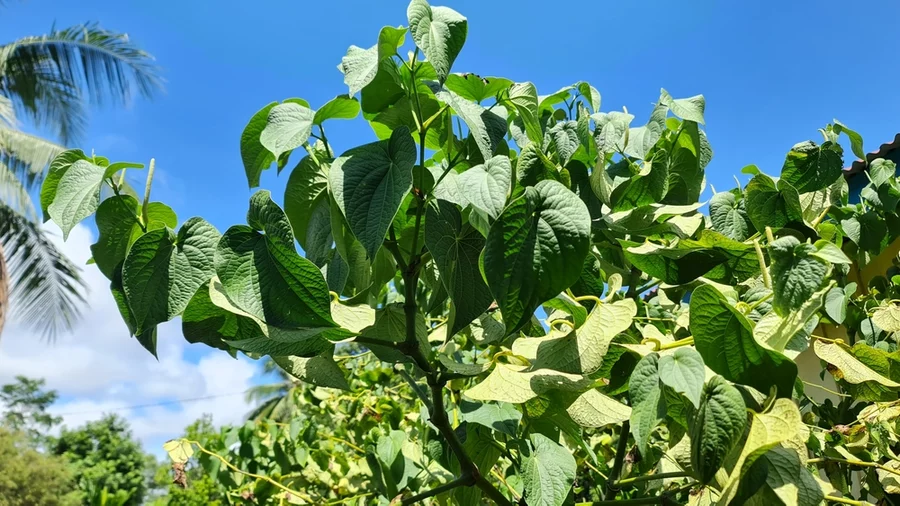
Kava might be relatively new to your neighborhood wellness shop, but it’s not a new discovery. It comes from Piper methysticum, a shrub native to the South Pacific and a member of the pepper family. Pacific Island communities have prepared kava beverages for thousands of years, using them in ceremonies and traditional wellness practices.
Why Is Kava Suddenly So Popular?
It might seem like kava is all over the place out of nowhere, but this recent popularity is more like a comeback. Commercial kava actually first appeared in the US in the late 1990s, but didn’t catch on until about 2011. Since then, the category has expanded well beyond traditional root powder into extracts, capsules, and ready-to-drink beverages. You can even find dedicated kava bars in some neighborhoods, which function more like coffee shops.
But why the comeback now? In 2025, Circana found that 49% of American adults were trying to drink less alcohol, with 65% of Gen Z respondents planning to cut back. Kava seemed like a great replacement, since it still gives people a drink ritual and a noticeable relaxing experience. The kava bars we mentioned have also turned it into something social, so making the switch feels less jarring than going cold turkey.
Today, folks are also using kava as a replacement for THC, so they can experience relaxation and ritual without the same kind of high.
What Is Kava, Exactly?
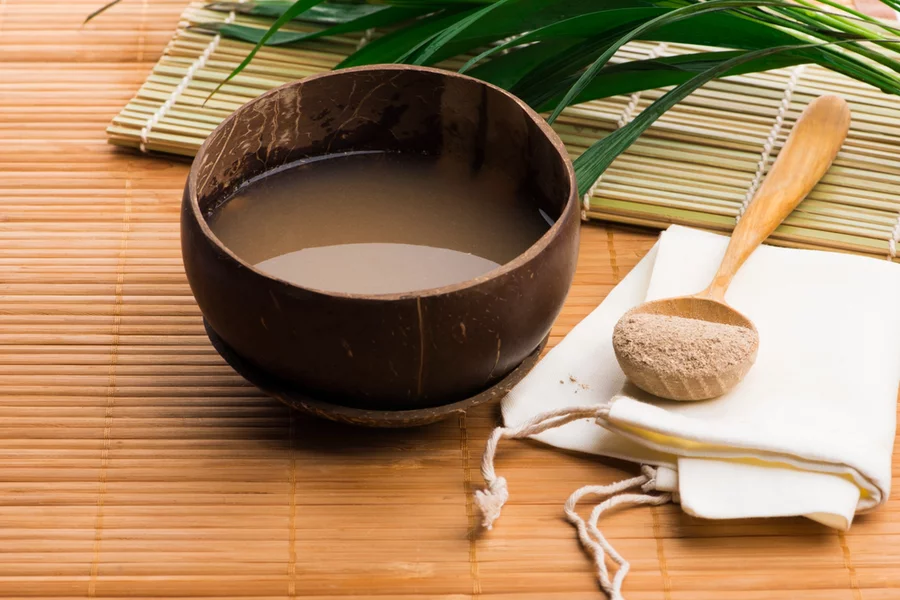
Traditionally, kava is made from the underground parts of the Piper methysticum plant, or the kava root. The root is ground or pounded until it’s a fine powder. That powder is then worked into water and strained to create an earthy drink meant for sipping.
You don’t need to get out your favorite mallet to enjoy this drink, however (though you’re welcome to try a traditional preparation if that interests you). Today, it’s available in plenty of formats that are a little easier to fit into your daily routine.
You can now find kava products in powders, drink mixes, gummies, shots, capsules, and ready-to-drink options that fit right into an existing wellness routine. If you have a kava bar in your community, you can pull up and have a fresh kava drink made for you on the spot. We’ve even seen kava drinks for sale at the local farmer’s market in certain states.
Traditional use is closely tied to Pacific Island culture, where kava has served both social and ceremonial purposes. That makes the modern idea of meeting friends at the local kava bar feel a lot less random.
What Does Kava Feel Like?
Kava users usually describe the experience as mellow. You may feel more physically relaxed, less wound up, and a little more comfortable as you transition into the evening. Some people feel more sociable or mildly euphoric, but without experiencing the kind of dramatic mental shift they associate with cannabis.
A recent U.S. survey found that “happy,” “relaxed,” and “friendly” were the most commonly reported effects among kava users. Relaxation and stress relief were also the reasons users most often felt kava worked well for them.
However, the concentration of kava in a product can also impact your experience, and some people feel sleepier or heavier after taking kava. We recommend trying it for the first time on an evening when you don’t need sharp thinking or coordination, just in case.
Does Kava Make Your Mouth Tingle?
Yes! The first sip of traditional kava may come with another surprise: your tongue or mouth can feel mildly numb or tingly. That’s normal, so don’t worry! That sensation is associated with the active compounds in the plant and is a known part of the kava experience.
What Is in Kava?
The compounds in kava that are doing most of the work are called kavalactones. Researchers have identified multiple kavalactones in the plant, and they appear to influence several signaling systems in the brain and nervous system, including signaling related to GABA.
GABA is the primary inhibitory chemical messenger in your brain and central nervous system. It’s responsible for slowing brain activity, which promotes calm and keeps your nervous system feeling stable. That’s one possible reason why kava makes you feel so relaxed.
How Is Kava Different From THC?
Kava isn’t cannabis. It doesn’t contain THC or CBD, and kavalactones don’t create the classic THC high. You shouldn’t expect the same changes in perception, thought patterns, appetite, or headspace that can come with an edible or vape.
Plenty of people enjoy THC because it’s part of a routine that helps mark the end of the day. They want to sit down, loosen up, and quit thinking about the email they forgot to send before logging off for the day. Kava can fill that same spot in the routine without being another cannabinoid. The difference is you’ll feel mellow and social instead of stoned.
Is Kava Like Alcohol?
Kava, like alcohol, has traditionally been consumed as a social drink, and both can be used as a way to unwind on the weekend or after a long day.
The actual effects aren’t identical, though. Kava generally has a different psychoactive profile from alcohol. Research looking at cognition suggests its effects don’t neatly match typical alcohol intoxication.
We don’t recommend mixing kava and alcohol. A human study found greater impairment when kava and alcohol were combined, and health authorities specifically recommend avoiding the combination. Instead, choose one or the other, based on your personal tolerance and wellness goals.
How Do You Take Kava?
If you want something fairly close to the drink experience without learning traditional preparation, a single-serving kava drink mix gives you a pre-portioned powder that you stir into water. Kava gummies are an even easier option for folks who’d rather chew something than drink an earthy-tasting cup.
Traditional root powder requires some extra effort because it needs to be mixed and strained. Some people love that ritual, but if you’d rather just open a packet and stir, we feel you.
For your first few experiences, a kava-only product might be a better choice than a blend containing kratom or other active botanicals. It’s much easier to learn what kava does for you when kava is the main variable.
What Should Beginners Know About Using Kava Safely?
Don’t combine kava with alcohol or other substances that make you drowsy. Kava can also interact with medications, so check with a healthcare professional if you take prescriptions or have an existing health condition.
Kava products have also been linked to rare cases of serious liver injury. The exact reasons aren’t completely settled at this time. Factors like product quality, preparation, heavy use, and combining kava with alcohol might play a role.
NCCIH recommends avoiding kava if you’re pregnant or breastfeeding and discussing it with your healthcare provider if you use medications.
Also, don’t take kava for the first time if you need to drive or operate heavy machinery. Instead, experience it for the first time somewhere you can relax, just in case it’s a little more relaxing than you expect.
Ready to See What Kava Is All About?
Kava has been around for thousands of years for a reason. It gives you a very different route to relaxation than THC, CBD, or alcohol. Modern powders and gummies make giving it a try much less intimidating than preparing a traditional bowl from scratch.
Ready to give it a try? Check out all of our kava products!