
TL;DR: This blog breaks down how HHC, THC, THC-P, and THC-O compare in effects, potency, and legality, using what’s known from chemistry, user reports, and the limits of current research. It also clarifies why “stronger” is hard to pin down without definitive peer-reviewed studies, and where each cannabinoid tends to land in real-world experiences.
- HHC is psychoactive, often reported stronger than Delta 8/10, and usually hemp-derived (federally legal if compliant, but state laws vary).
- THC-O is synthesized from CBD (not naturally occurring) and has more questionable legality; users often describe it as very potent.
- THC-P occurs in tiny natural amounts and is widely reported as the most potent, though extreme “30x stronger” claims may be overstated.
- THC remains the baseline reference point and is generally considered stronger than THC-O and HHC.
- The blog’s overall potency ranking: THC-P > THC > THC-O > HHC.
With so many cannabinoids on the market, there are plenty of decisions to make and questions to ask.
What’s the experience like? How strong is this cannabinoid compared to others? Do other users tend to enjoy it?
Today, we’ll compare HHC, THC, THC-P, and THC-O. We’ll answer the questions of whether HHC is stronger than THC-O, whether HHC is stronger than THC-P, and share important info about all four cannabinoids. Keep reading to learn more.
HHC vs THC-O vs THC-P vs THC
Let’s review HHC, THC-P, THC, and THC-O to gain a better understanding of these cannabinoids.
What is HHC?
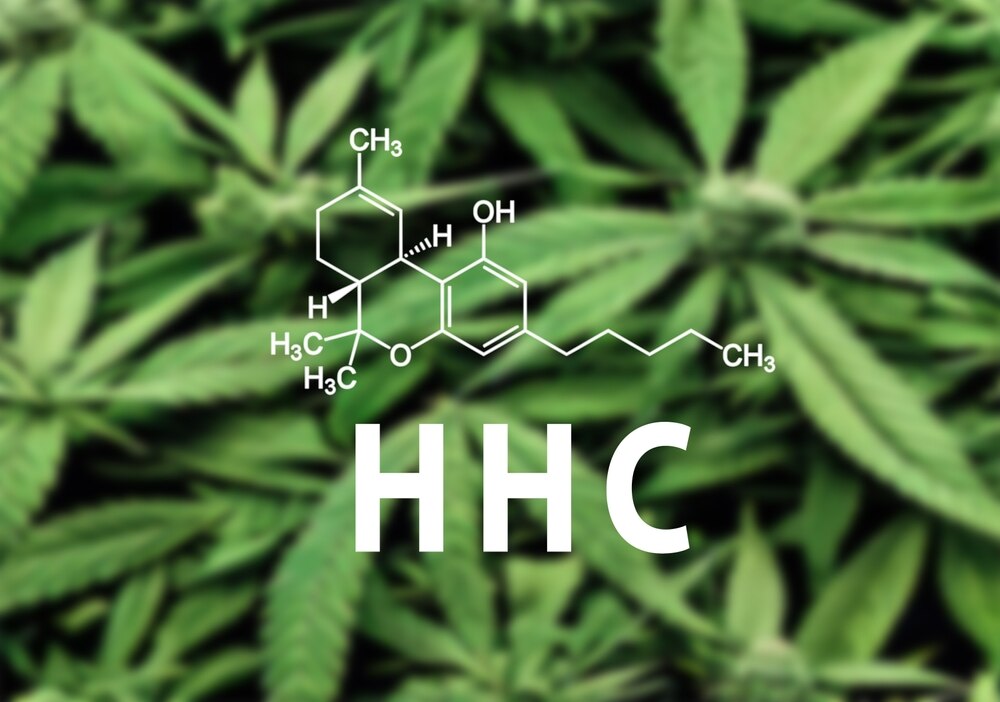
Hexahydrocannabinol (HHC) is a cannabinoid with psychoactive effects. In other words, it produces a high with effects that many users enjoy. These include altered perceptions and an elevated mood.
Side effects of HHC products are generally mild and are similar to those of other cannabinoids. Examples include dry mouth, red or dry eyes, anxiety, and forgetfulness. Keeping track of HHC use and avoiding large doses may help to reduce these side effects.
Definitive scientific research on the strength of HHC is not available. However, we know that it’s seen as especially potent by users. HHC is thought to be stronger than an equivalent dose of Delta 8 and Delta 10, for example.
HHC occurs naturally in some cannabis and hemp plants. However, it’s only found in small amounts in such plants. Most HHC comes from the chemical conversion of cannabidiol (CBD), which is plentiful in hemp plants.
When sourced from hemp plants, HHC is legal under federal law. The 2018 Farm Bill legalized the commercial production and sale of hemp containing no more than 0.3% Delta 9 THC by dry weight.
However, some states restrict or prohibit the sale and possession of HHC. It’s always a good idea to look into local and state laws before you purchase HHC or any hemp-derived cannabinoids.
What is THC-P?
THC-P is a psychoactive cannabinoid that occurs naturally in cannabis and hemp plants, although only in small amounts. THC-P has similar effects to cannabinoids like HHC, THC-O, and THC, although it’s thought to be significantly more potent because of its chemical structure. Legally, it falls into the same federally legal category as THC-O and HHC when it comes from hemp.
Claims that THC-P is 30 times stronger than THC may be exaggerated. However, there is plenty of anecdotal evidence, like product reviews and user reports, that THC-P is especially potent compared to most other cannabinoids.
What is THC-O?
THC-O is also a cannabinoid with psychoactive effects. In the big picture, it’s similar to HHC and many other cannabinoids. As is the case with those cannabinoids, the effects of THC-O include an elevated mood and altered perceptions.
Side effects of THC-O are not particularly well-known. However, they appear to be similar to those of many other cannabinoids. Short-term memory issues, dry mouth, and anxiety are all possible. Limiting the amount of THC-O used may help to reduce or eliminate these side effects.
THC-O does not occur naturally in cannabis or hemp plants. Similarly to many other hemp-based products, THC-O is created through the chemical conversion of CBD.
Because THC-O does not occur in nature, its legality is more questionable. USA Today explains that the US Drug Enforcement Agency (DEA) finds THC-O to be illegal because it doesn’t exist in hemp plants.
This is a relatively rare position for the DEA. The organization has not made such statements about other cannabinoids, like Delta 8 or HHC.
THC-O has a reputation for being especially potent compared to most other cannabinoids. User reports and other informal sources state that THC-O is stronger than Delta 9 and many other cannabinoids.
What is THC?
THC is a psychoactive cannabinoid and the main cannabinoid found in cannabis. It has similar effects to HHC, THC-P, and THC-O. Because it’s been used for much longer than other cannabinoids, it’s often used as a measuring stick of sorts. Users will compare other, newer cannabinoids to THC as an easily understood reference point.
THC-O vs HHC vs THC vs THC-P: Which is Stronger?
Let’s start by comparing THC-O and HHC. Then, we’ll look at all four cannabinoids.
When comparing the potency of THC-O vs HHC, it’s important to note that there is no definitive, peer-reviewed research that compares these cannabinoids. If you’re wondering which cannabinoid is stronger from an official or technical perspective, that question can’t be answered as of early 2026.
However, you can compare more anecdotal sources. Remember that these are reports of user experiences and summations of them contained in articles and other sources.
That means each report reflects an individual experience. That’s very different from a large-scale double-blind study held to the standards of scientific research. Those studies can better account for variations between individual users. Still, user reports are first-hand experiences that provide valuable insight, especially when more concrete evidence is not available.
While we can’t definitively say whether HHC is stronger than THC-O, or that THC-O is stronger than HHC, we can look at what people with first-hand experience have to say about the topic.
With these limits in mind, it appears THC-O is stronger. How can we tell?
We know that, based on user reports and similar sources, HHC is more potent than Delta 8 and Delta 10. However, it’s likely less potent than Delta 9. That’s the dominant cannabinoid found in cannabis plants.
THC-O is also thought to be stronger at an equivalent dose than Delta 8 and Delta 10. However, it’s also seen as causing weaker effects than Delta 9.
THC-O has been called a “psychedelic cannabinoid” by some sources, drawing attention to its supposed potency and the intensity of its effects. That may be an exaggeration. It appears that THC-O does not produce hallucinations and other psychedelic effects that are commonly associated with true psychedelic drugs like LSD.
However, the intent behind that nickname is clear. THC-O is regularly cited as very powerful. That’s true even in comparison to HHC, which has its own reputation as a strong cannabinoid among the many hemp-derived options available.
The Round Up: HHC vs THC vs THC-P vs THC-O
So, with the best information available, we can say that THC-O is likely stronger than HHC. We also know that THC-O is likely less potent than THC, which means HHC is probably not as strong as THC either.
THC-P is thought to be the most potent of all of these cannabinoids, due to its chemical structure leading to stronger bonds with the receptors of the body’s endocannabinoid system. With that in mind, let’s rank these cannabinoids from most to least potent:
- THC-P
- THC
- THC-O
- HHC
The Best Cannabinoids on the Market from Delta 8 Resellers
There is a wide range of hemp-derived cannabinoids available. At Delta 8 Resellers, our goal is to bring you the very best. That’s true whether you want Delta 8, HHC, or another type of cannabinoid.
We exclusively partner with leading brands known for consistently producing high-quality products. We also share the results of independent lab testing for our products on their individual product pages whenever available. When you shop with Delta 8 Resellers, you can make a more informed decision about your cannabinoids.