
TL;DR: The future of the hemp industry is being reshaped by major federal changes coming in late 2026, especially for brands that rely on psychoactive hemp-derived cannabinoids. Readers will discover how new legislation may restrict large parts of the market, what products could remain viable, and why the industry’s next phase is still uncertain.
- The 2018 Farm Bill helped fuel rapid growth in hemp-derived cannabinoid products like Delta 8 and CBD.
- The Continuing Appropriations and Extensions Act of 2026 will sharply limit intoxicating cannabinoids and ban chemically converted cannabinoids.
- CBD will remain federally legal, but many existing products could need reformulation to comply.
- Lobbying efforts and legal challenges may still influence how the future of the hemp industry unfolds.
- State-level intrastate sales may offer some hemp businesses a path forward even if federal interstate rules tighten.
The hemp industry blossomed following the passage of the 2018 Farm Bill, which legalized the commercial production and sale of hemp-based products on the federal level. In the years since, hemp-based cannabinoids have emerged as a massive market.
Unfortunately, the Continuing Appropriations and Extensions Act of 2026 will take away much of this market by late 2026, assuming there are no changes either on the federal level or by individual states. This Act significantly limits the types of hemp-based products that are legal on the federal level.
So, what is the future of the hemp industry in late 2026 and beyond? Let’s take a closer look at what the future may hold for hemp-derived cannabinoids.
Understanding What Comes Next for the Hemp Industry
Background: The Changes for Hemp in Federal Legislation
The 2018 Farm Bill legalized the commercial production and sale of hemp on the federal level. While that law set a limit of 0.3% Delta 9 THC by dry weight, it didn’t set limits or laws around other, similar cannabinoids that can be made from the abundant CBD in hemp, nor CBD itself.
The specific wording of the Farm Bill led to explosive growth in the hemp market. Along with the industrial and commercial applications of hemp, ranging from textiles and building materials to biofuels and dietary supplements, some businesses began to make products containing cannabinoids like Delta 8 and CBD.
As The Hill explains, the Continuing Appropriations and Extensions Act of 2026 (CAE Act) will limit the level of all psychoactive or intoxicating cannabinoids found in hemp plants to 0.4 milligrams per container in consumer products. Additionally, cannabinoids created outside the plant, such as through chemical conversion, will become illegal.
Because CBD is not intoxicating, CBD products that otherwise meet these new standards will still be legal federally. However, many current CBD products contain small and unnoticeable amounts of intoxicating cannabinoids that put them out of compliance with the updated rules.
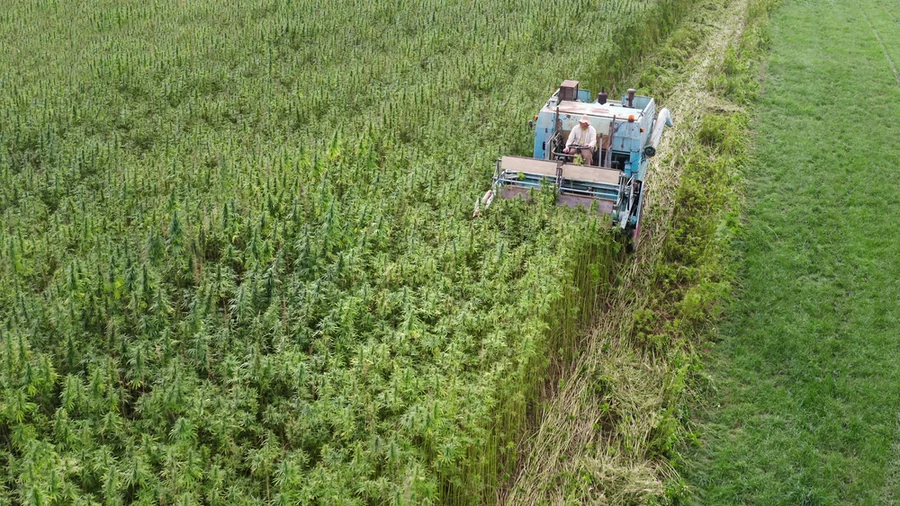
Hemp Industry News: What Will Happen to the Market in Late 2026
While there is no guarantee of success, brands and manufacturers are continuing to lobby the federal government and push for alternatives to the wide-ranging ban that will soon come into effect.
Politico reported on a range of hemp-related lobbying efforts that started or continued in late March 2026. From major industry groups like the Hemp Industry and Farmers of America to large businesses that some may not associate with hemp products, such as Total Wines & More and Edible Arrangements, are engaging in lobbying efforts themselves or hiring lobbying firms to do so.
Some brands and manufacturers are also working to create or have already created products that align with the rules of the CAE Act. As long as these products align with federal law, they will be available for interstate sale after the rules around hemp-derived products change in November.
Another hemp industry update to keep in mind: In some states, hemp-derived cannabinoids are legal and regulated at the state level. Law firm Harris Sliwoski LLP shares an example of hemp-based cannabinoid beverages made by an Illinois-based brand, Green Thumb Industries, and sold at the United Center in Chicago. While these products won’t be able to legally cross state lines, they can be sold in intrastate commerce.
Overall, the future growth of the hemp industry is unclear as of spring 2026. Many possible outcomes, from lobbying efforts causing major changes to the rules currently in the CAE Act, to the new laws moving forward as planned, and several results in between, are all possible.
FAQs and Answers for the Future of the Hemp Industry
What will happen to the hemp industry?
The hemp industry will almost certainly change in terms of the availability of products containing psychoactive cannabinoids due to the rule changes included in the Continuing Appropriations and Extensions Act of 2026.
However, exactly how much change will occur is not yet clear. Possible outcomes range from major changes to the regulations currently found in the act due to lobbying efforts to the current version of rules being enforced in November, once the act takes effect.
What is the outlook for the hemp industry?
The hemp industry as a whole includes several industrial and commercial use cases for hemp fiber, hemp seeds, and many other products. These areas aren’t affected by the limits on psychoactive cannabinoids found in the Continuing Appropriations and Extensions Act of 2026, which will come into effect in November 2026.
However, brands and manufacturers selling hemp-derived psychoactive cannabinoids will face major issues if the limits and rules in federal legislation don’t change. CBD products will still be allowed, but many businesses will have to change their manufacturing processes to align with the much stricter limit of 0.4 milligrams of intoxicating cannabinoids per container.
Is hemp a good investment?
We don’t want to provide financial advice, so we won’t guarantee that hemp businesses are either a good or bad investment. One fact to keep in mind is that the market related to psychoactive hemp-based cannabinoids is in a major state of change in 2026. As is often the case when new laws force major changes to an industry, there is the potential for the right investment to yield highly positive results, and for the wrong investment to cause major losses.
Will hemp be illegal in 2026?
Hemp as a general product will continue to be legal in and after 2026. The issue facing the hemp industry in 2026 is the passage of a federal law that highly restricts the presence of intoxicating cannabinoids found in hemp plants, and the ban on creating intoxicating cannabinoids outside of the plant in labs.
Your Source for Federally Legal Hemp Products & More
Delta 8 Resellers is proud to offer federally legal hemp-derived cannabinoid products, both now and after the Continuing Appropriations and Extensions Act of 2026 comes into effect in late 2026. You can count on our team to only provide compliant and effective products, now and in the future.