
TL;DR: Lion’s mane is a functional mushroom commonly used for focus, memory, mental clarity, mood, and general nervous system support. Research is encouraging in some areas, but many claimed benefits are still being studied, and effects can be subtle.
- Lion’s mane isn’t a stimulant or psychedelic, so it won’t create a caffeine-style rush or intoxicating experience.
- Early human research suggests possible benefits for attention and cognitive function, including in some older adults with mild cognitive impairment.
- Researchers are also exploring lion’s mane for nerve health, stress, anxiety, and mood, but stronger human evidence is still needed.
- Lion’s mane comes in capsules, powders, gummies, and blends, so check serving sizes and added ingredients before choosing a product.
- Side effects can occur, and people taking medications or managing conditions like epilepsy should check with a healthcare professional first.
Lion’s mane is a functional mushroom that is thought to have benefits ranging from reducing anxiety and stress to supporting nervous system health. While many of the benefits of this mushroom have not been conclusively proven, early research into many proposed benefits is positive.
Keep reading to learn more about the benefits of lion’s mane mushrooms. We’ll review what these mushrooms are, the benefits that encourage many users to take them, and the state of research related to them. Then, we’ll answer some frequently asked questions about lion’s mane.
What Is Lion’s Mane?
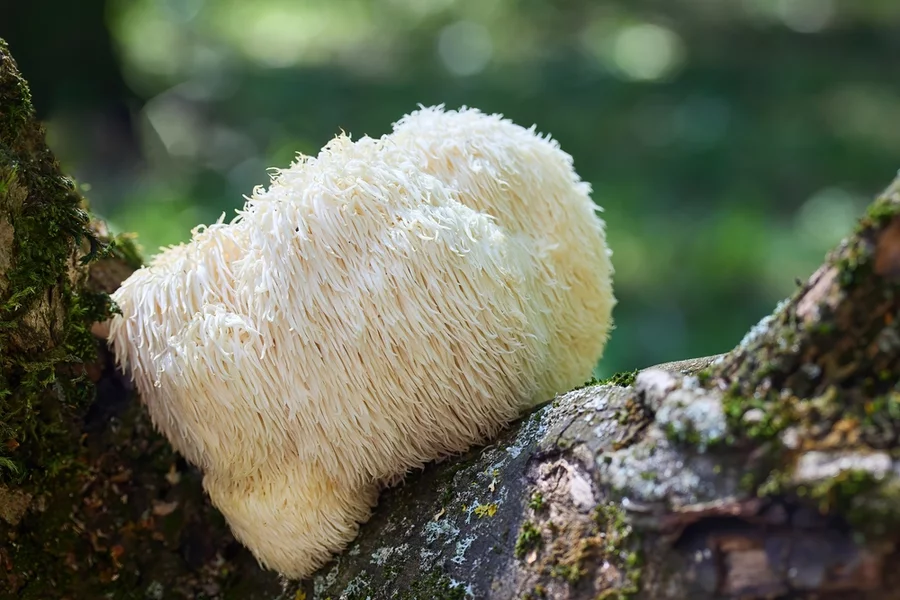
Lion’s mane is a shaggy white mushroom that looks a little like the mane of a lion, or like it’s growing hair. You may also see its scientific name, Hericium erinaceus, on supplement labels. They are considered functional mushrooms, a designation that describes any mushroom purported to have benefits beyond nutrition, and are typically not psychoactive.
Lion’s mane is sold in capsules, gummies, powders, extracts, and appears in some multi-mushroom blends. Our guide to mushroom supplement benefits explains how lion’s mane compares with other functional mushrooms.
Lion’s Mane Mushroom Benefits
Most people aren’t reaching for lion’s mane because they want to get high. They’re interested in everyday goals like clearer thinking, better focus, memory support, or a calmer mood. The science behind those uses is still developing, so it helps to keep your expectations realistic.
With that in mind, let’s take a look at some of the benefits some individuals have experienced after adding a lion’s mane supplement to their routine.
Focus, Memory, and Mental Clarity
Brain support is probably the best-known of the potential lion’s mane benefits. People often take it when they want to feel sharper at work or stay on task while studying. Some people use lion’s mane products to help support mental plasticity and to boost their memory over time.
Lion’s mane isn’t a traditional stimulant, so there’s no caffeine-style rush. Any changes you do experience may be pretty subtle, and some people might not notice an obvious feeling at all.
There is some human evidence to back these experiences up. A small 2023 study in healthy adults found that people performed one attention task faster after taking lion’s mane, though several other measurements didn’t show a clear improvement. Ultimately, taking a lion’s mane gummy isn’t the same thing as taking a proven medication or a strong stimulant, but the research remains promising.
Lion’s Mane and Cognitive Decline
The benefits of lion’s mane have also attracted attention in research involving older adults and cognitive decline.
One small clinical trial involving people with mild cognitive impairment found improvements on a cognitive test during several months of lion’s mane use. Scores started dropping again after participants stopped taking it.
That’s interesting, especially for researchers looking at brain aging. However, at this time, it doesn’t mean lion’s mane has been proven to prevent dementia or reverse memory loss. If you or someone you know is experiencing noticeable changes in memory or thinking, that’s a conversation to have with a medical professional.
Nervous System Support
There’s another reason lion’s mane has earned its “brain mushroom” reputation. The mushroom contains compounds called hericenones and erinacines, which researchers have studied for their relationship with nerve growth factor.
Nerve growth factor helps nerve cells grow and function. A review of lion’s mane and nervous system research found some promising activity involving nerve growth and protection. With that said, a lot of that work has been done in labs or animals rather than in large groups of people. Without more research, we can’t yet claim that lion’s mane can repair damaged nerves in humans.
Stress, Anxiety, and Mood
Some people use lion’s mane because they’re looking for a calmer headspace, and they typically treat it like a tool in their stress-management routine.
There is early human research around mood and stress, but this is another area where there isn’t enough research to make definitive claims. The effects of lion’s mane on stress and mood can sometimes be subtle. If you want to try it, we recommend adding it to your wellness routine, along with good sleep hygiene and regular physical activity, and seeing whether you experience benefits. However, it shouldn’t replace good, healthy habits.
Does Lion’s Mane Have Spiritual Benefits?
There’s no good evidence that lion’s mane produces specific spiritual effects. Plain lion’s mane is a functional mushroom. The research around it focuses much more on cognition, mood, and the nervous system.
Still, you are welcome to incorporate functional mushrooms like lion’s mane into your personal mindfulness routine. Consider taking it before journaling or meditation, or any time you want to feel more centered and focused on a task.

How Do People Take Lion’s Mane?
Lion’s mane comes in plenty of different forms. You can browse our current mushroom supplements to compare different formats and formulas.
Capsules are straightforward and easy to take along with any other supplements you might use. Powders can go into morning coffee or your afternoon smoothie for a little extra boost. Gummies might be the easiest of all because they are pre-dosed and don’t require any measuring or mixing.
Check the Supplement Facts panel before you buy. Make sure to look at how much lion’s mane is in a serving and whether the formula uses the fruiting body, mycelium, or a combination. Knowing what’s actually in a given formula makes products a lot easier to compare.
While researching, take a little extra caution with multi-ingredient blends. Some mushroom products add caffeine, cannabinoids, other functional mushrooms, or botanical ingredients to the formula, and those extras can change your experience quite a bit. Find out what a given blend is supposed to do, and read testimonials, if possible.
FAQs About Lion’s Mane Mushrooms
What happens if you take lion’s mane every day?
You might notice subtle changes in focus, mood, or everyday mental clarity, or you might not notice an obvious effect at all. Lion’s mane is commonly used as a daily supplement, and clinical research has tested daily use over periods ranging from weeks to months. Long-term safety isn’t as well established, so follow the directions on your product rather than assuming more is better.
What are the bad side effects of lion’s mane?
Lion’s mane is tolerated by many people, but side effects can happen. Reported issues include stomach discomfort, nausea, diarrhea, headaches, and skin reactions. Stop using it and get medical help if you develop signs of a serious allergic reaction.
Can I take lion’s mane if I have epilepsy?
Talk with your neurologist before adding lion’s mane to your routine. There isn’t enough human evidence to establish its safety for people with epilepsy, and a supplement shouldn’t interfere with or replace your prescribed seizure treatment.
What not to mix with lion’s mane?
There isn’t a well-established list of lion’s mane drug interactions. That doesn’t mean interactions are impossible. Concentrated herbal and mushroom supplements can interact with medications, so have a doctor or pharmacist review the exact product if you take prescriptions or use several active supplements.
Why do I feel weird after taking lion’s mane?
The feeling could come from lion’s mane, the serving size, or something else in the product. Multi-ingredient mushroom gummies can contain several active ingredients, so check the whole label before assuming lion’s mane is responsible. If an uncomfortable feeling keeps happening, stop taking the product and talk with a healthcare professional.
Explore Our Mushroom Supplements
Lion’s mane has developed a following because it offers a different kind of mushroom experience. Research on focus and cognition is encouraging in a few areas, but there’s still plenty we don’t know. If you want to give it a try, be sure to choose a transparent formula and follow the serving directions.