
TL;DR: Kava can be prepared several ways, from traditional strained root powder to instant mixes, extracts, and ready-to-drink beverages. The best method depends on how much prep you want, the product’s strength and formulation, and how much you care about controlling flavor and texture.
- Traditional kava takes the most hands-on work, using ground root, water, kneading, and straining before serving.
- Instant kava and extracts are faster to prepare, but potency can vary widely by serving size and kavalactone content.
- Ready-to-drink kava is the easiest option and often has a milder, more approachable flavor than traditional preparations.
- Kava isn’t an opioid, and there’s no single form that’s proven to be best for everyone.
- Always follow the product label, avoid mixing kava with alcohol or sedatives, and pay attention to possible medication or liver-related concerns.
Kava offers a relaxing and mellow feeling without substantially clouding your mind or affecting your judgment.
If you’re wondering how to make kava drinks yourself, our guide has you covered. Here, we explain how to make kava as a traditional preparation using powdered kava root, as well as options for kava drinks using instant mixes and extracts.
Let’s take a closer look at how to make kava with these helpful guides.
How to Make Kava
Kava comes from Piper methysticum, a plant native to the South Pacific. Pacific Island communities have used kava beverages for thousands of years in ceremonial and social settings. The plant’s kavalactones are responsible for its psychoactive effects, which are commonly associated with relaxation. Some people compare Kava to Kratom, which is also used largely for relaxation.
The preparation method you choose changes how much work you’ll need to do. Preparation can affect the flavor and texture of the finished drink. Your options range from traditional kava preparation, which is typically the most labor-intensive, to instant kava mixes, which are pretty straightforward to whip up. You’ll want to pay attention to the concentration of kava in each drink you try, as it can vary significantly from preparation to preparation, and so can the effects.
How to Make Traditional Kava
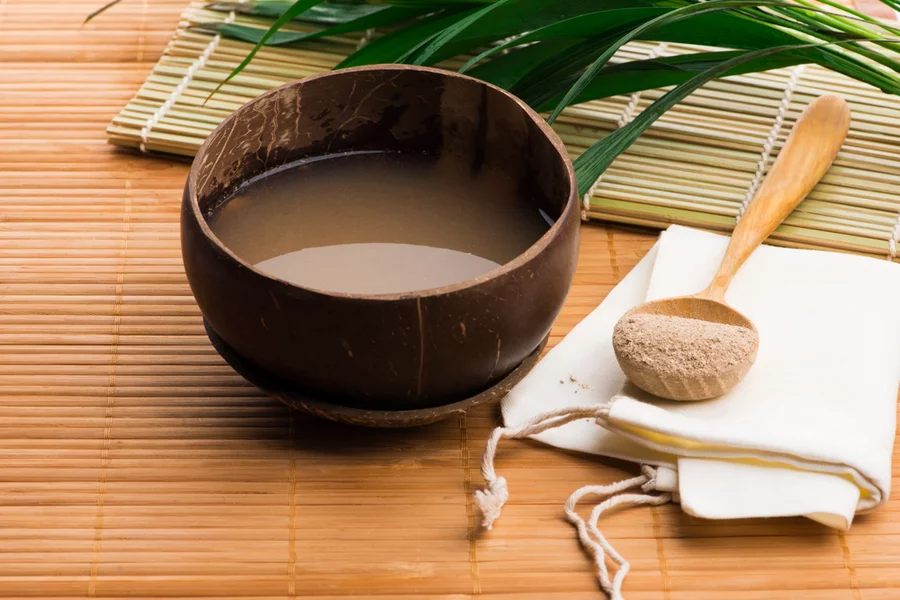
Traditional preparation is probably what you have in mind when you hear about how to make kava tea. It’s a little more complex than steeping a tea bag, but similar in practice. Food Network describes traditional kava as ground root mixed with cold water and strained through cloth.
When you make kava kava tea, ground kava root is mixed with water, then worked through a strainer, and then separated from the coarse plant material. While Pacific Island communities use more traditional equipment, it’s possible to make it at home in your kitchen.
A simple home method looks like this:
- Put the amount of medium-grind kava root called for by your product into a clean strainer bag.
- Place the bag in a bowl and add cool or room-temperature water according to the product directions.
- Knead and squeeze the bag through the water for several minutes.
- Wring out the bag, remove the leftover plant material, and pour the liquid into your cup.
- Follow the serving guidance for the specific kava you’re using.
It’s essentially like making a traditional cup of tea with a few extra steps.
How to Make an Instant Kava Drink
Instant kava skips most of the hands-on prep. You can start with the directions on the package instead of borrowing a recipe meant for traditional root powder.
While directions vary, preparation typically includes these steps:
- Measure the labeled serving of instant kava.
- Add it to the recommended amount of water or another nonalcoholic drink.
- Stir or shake until it’s evenly mixed.
- Follow the serving directions and give yourself time to see how that product affects you.
Just remember that “instant” describes convenience, not a standard strength. Different products can use different preparations and kavalactone concentrations. If you have questions about potency, look at the label, because two scoops can contain very different things.
How to Make a Drink with Kava Extract
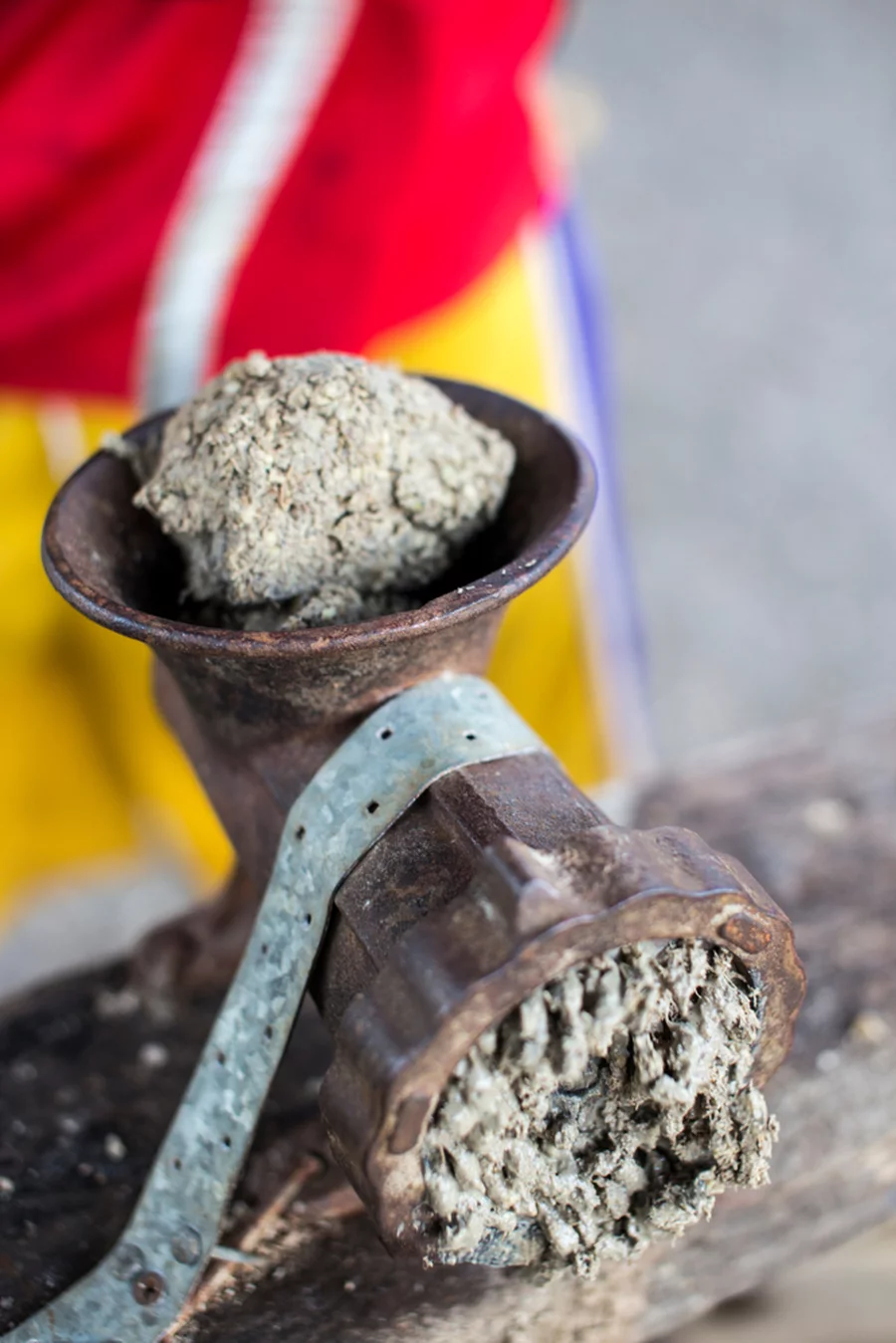
Kava extract is a concentrated liquid or capsule made from the root of the Piper methysticum plant. Extracts can be mixed with water or other non-alcoholic liquids to create another version of a kava drink.
Like instant drink mixes, the concentrations of extracts can vary a lot from one product to another. Always check the suggested serving and mixing directions on the extract you’re using to prepare your drink rather than assuming.
Once you’re clear on the suggested serving size, follow these general steps:
- Measure the extract carefully.
- Add it to a nonalcoholic beverage.
- Mix thoroughly before drinking.
Don’t increase the serving just because the finished drink tastes mild. Kava products have been linked to rare cases of serious liver injury.
The National Center for Complementary and Integrative Health also advises against combining kava with alcohol or other substances that have sedative effects. Its kava safety guidance is definitely worth checking before you add kava to your routine.
Ready-to-Drink Kava Beverages
The simplest way to enjoy kava is to purchase ready-to-drink kava beverages, which come pre-prepared. They’re consistent from bottle to bottle, and take all of the work out of your relaxation routine.
As a bonus, choosing a premade kava drink is one way to improve the flavor. Traditional kava has an earthy, bitter taste that can take some getting used to. Premade drinks tend to eliminate some of the bitterness, even adding extra flavors that can make it easier to tolerate.
Our guide to the best kava drinks explains what to look for when comparing ready-made options, including ingredients, strength, and label transparency. Delta 8 Resellers currently carries kava products in several convenient formats, including shots and a tasty kava-root seltzer.
FAQs About Making Kava
Is instant kava stronger than normal kava?
Not necessarily. Instant tells you how the product is prepared, not exactly how strong it will be. Strength can vary with the extract, serving size, and kavalactone content, so compare the labels rather than assuming instant kava will always be stronger or weaker than traditional kava.
How do you prepare kava traditionally?
Mix ground kava root with water, work it through a strainer bag, then squeeze and strain out the coarse plant material before drinking the liquid. The process takes a little more effort than instant kava, but you get direct control over the amount of root and water you use.
What form of kava is most effective?
There isn’t one form that’s proven to work best for everyone. Traditional powder, instant kava, extracts, and premade drinks can contain very different kavalactone amounts and profiles. Look at the actual formulation and serving directions instead of judging a product by format alone. FDA research has also found meaningful differences among aqueous extracts, organic extracts, and commercial formulations.
Does kava act like an opioid?
No. Plain kava isn’t an opioid. Its best-known active compounds are kavalactones, which are chemically different from opioid alkaloids and interact with the central nervous system through different mechanisms. Some commercial products combine kava with kratom or other botanicals, though, so read the full ingredient list before assuming a drink or shot contains only kava.
Is 1000 mg of kava too much?
You can’t tell from “1000 mg” alone. That number could refer to raw root, an extract, a root equivalent, or part of a multi-ingredient blend, and those aren’t interchangeable measurements.
Kava preparations can differ substantially in their kavalactone content and chemical profile. Follow the labeled serving rather than comparing products by milligrams alone. If you take medication or have liver concerns, talk with a healthcare professional before using kava.
How can you make kava taste better?
Pair its earthy bitterness with a nonalcoholic mixer you already like. Coconut water, fruit juice, ginger, or a little sweetener can soften the flavor. If you’re trying to figure out how to make kava taste good with almost no extra work, a flavored instant mix or ready-to-drink option may be a better fit. Kava’s naturally earthy and bitter flavor is part of the traditional drink, so you don’t need to completely hide it to make it more approachable.
Enjoy Kava in the Way That Works for You
Traditional kava gives you the full hands-on preparation. Instant mixes save time, while extracts make it easy to customize a drink. Easiest of all, ready-to-drink products remove the prep altogether.
Whichever route you choose, read the label, stick with the suggested serving, and know what else is in the formula before you drink it.