

Delta 11 has become one of the most talked about additions to the cannabinoid scene, pulling in curious newcomers and seasoned users who keep an eye on every new compound. Interest has grown fast because Delta 11 stands at a unique point in the world of hemp derived cannabinoids. It has its own structure, its own feel, and its own set of effects that separate it from the usual lineup found in traditional products.
For anyone trying to understand what makes it notable, the basics start with how Delta 11 behaves chemically and the distinct type of experience it can provide. As this cannabinoid continues to gain traction, the discussion around its impact, legality, and product range keeps expanding.
Before diving into details, it helps to remember that Delta 11 exists naturally only in small amounts in the cannabis plant. This limited presence makes it different from well known cannabinoids that appear in higher concentrations. Most Delta 11 for consumer use comes from isomerization, a process that converts hemp derived compounds into new forms.
Even with limited research, Delta 11 has created a strong presence in the market because of how it is described by users. The growing conversation around it reflects both curiosity and excitement for a cannabinoid that adds something fresh to the existing options.
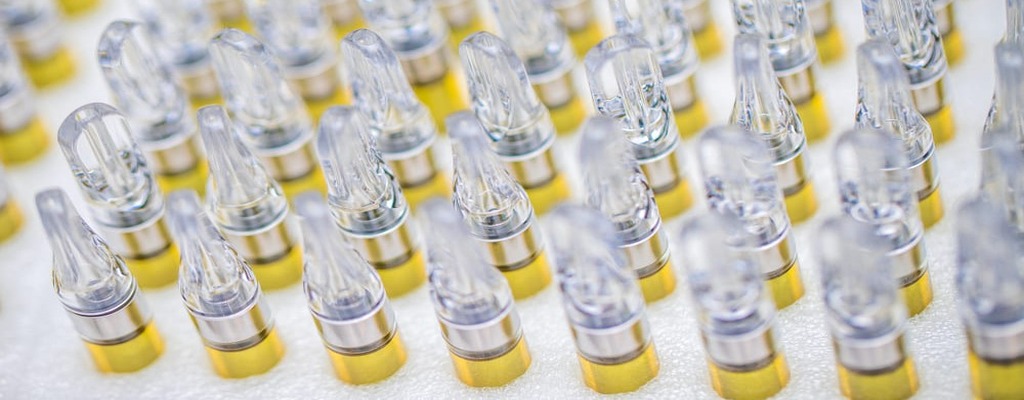
The demand for delta 11 products reflects a shift in what people look for when trying new cannabinoids. With different forms becoming available including gummies, flowers, disposable devices, and vape carts, the interest continues to rise. Delta 11 fits into these categories because of its flexible chemical behavior and the type of effects many users associate with it.
As the conversation continues to grow, so does the availability of formats that make it easier for people to explore.
And speaking of the talk of the town, Delta 8 Resellers is the leading brand that has a collection of the best delta 11 products that can quench your curiosity about this new cannabinoid. Not only that, you can use the coupon code D8SLY15 to get a 15% discount on your next purchase!
The Basics Behind Delta 11
Delta 11 sits in the category of minor cannabinoids, meaning its natural concentration in the plant is low.
Understanding what it is starts with understanding how cannabinoids are structured and why their small molecular changes can make each one feel different. Delta 11 is an isomer of delta 9, which means it shares the same chemical formula but differs in how its atoms are arranged. The shift in this structure affects how it interacts with the body, especially with receptors tied to mood, comfort, and sensory perception. This is why many users describe Delta 11 as having effects that stand out from more familiar cannabinoids.
Even though Delta 11 appears naturally in the cannabis plant, its concentration is too small for large scale extraction. This led manufacturers to rely on isomerization to create stable and measurable quantities. Isomerization is the process where one cannabinoid converts into another by shifting molecular bonds without changing the original chemical elements.
Because hemp derived CBD can be converted into various forms, Delta 11 became accessible through this method. The practice is not new in the cannabinoid industry, but the rise of Delta 11 has put more attention on how these conversions function.
Another important part of understanding Delta 11 involves separating facts from common misunderstandings. A frequent misconception links Delta 11 to the metabolite 11 hydroxy THC, which forms in the body after consuming traditional THC through edibles.
These two compounds are not the same. Delta 11 is a distinct cannabinoid, while 11 hydroxy THC is a metabolite formed internally. Clearing up this confusion helps form a more accurate picture of what Delta 11 truly brings to the table.
How Delta 11 Interacts with the Body
The interaction between Delta 11 and the endocannabinoid system influences the kind of response users describe. Cannabinoids affect receptors differently depending on their molecular structure. Delta 11 attaches to similar receptors as delta 9, but the change in double bond placement at the eleventh carbon position alters how strongly it binds. This shift may explain why many users report a more uplifting and cerebral type of effect rather than the heavy relaxation some associate with other cannabinoids.
Reports often mention feelings of clarity and increased sensory awareness with Delta 11. These qualities create a distinct profile that many users compare to a smoother, more energetic type of experience.
This does not mean Delta 11 produces the same intensity for everyone, as cannabinoid effects vary depending on product type, amount used, tolerance levels, and personal chemistry. What stands out is that the tone of user feedback shows noticeable differences from the traditional experiences linked to other delta based compounds.
Another characteristic worth mentioning is the range of anecdotal descriptions suggesting euphoria and relaxation without the heavy sedation sometimes connected to other cannabinoids. Many who try Delta 11 describe a balanced experience that fits social settings or daytime use. This balance has contributed to the demand for formats like delta 11 vape devices, which deliver quicker onset and allow more controlled adjustments.
The Potency Conversation
The potency debate remains one of the most talked about aspects of Delta 11. Early online discussions exaggerated claims about it being several times more potent than delta 9.
These claims mostly stemmed from confusion involving 11 hydroxy THC rather than Delta 11 itself.
Current observations suggest that Delta 11 may provide a strong experience for some, but available research is still limited. The variation in reports emphasizes the need to look at lab tested products and accurate cannabinoid labeling instead of relying on unverified comparisons.
More recent user feedback leans toward Delta 11 being uplifting with a lighter body effect. This creates the impression of clarity rather than heaviness.
Understanding potency through personal experience still varies, but the general tone of responses shows consistency, especially for those using delta 11 disposable vapes, gummies, or carts. These experiences help shape expectations while highlighting the need for more formal research to establish potency ranges.
How Delta 11 Differs From Other Cannabinoids
Delta 11 has gained attention because of how it differs from other well known cannabinoids. The difference is not just in structure but also in the type of effects users say they feel.
Many compare it to a more upbeat and clean experience, describing it as something that lifts the mood while keeping awareness intact. These traits place Delta 11 in a category that appeals to those who want a lighter headspace rather than a heavy or slow feeling.
What separates Delta 11 from other cannabinoids lies in its interaction with receptors. Some cannabinoids such as delta 8 tend to produce calmer or more subdued feelings, while delta 9 can introduce stronger shifts in perception. Delta 11 appears to land somewhere in between.
This makes it attractive for people looking for something that stands out in terms of balance and clarity. The demand for best delta 11 products reflects this preference, especially among users who want something different from classic delta experiences.
Its smaller natural concentration also makes Delta 11 unique. This rarity is part of the appeal for people who enjoy trying minor cannabinoids. Because it requires conversion rather than direct extraction, manufacturers pay close attention to purity, testing, and cannabinoid consistency. This increases the importance of choosing products that provide clear lab results and accurate cannabinoid profiles.
Effects Described by Users
Many people mention that Delta 11 feels clean, upbeat, and mentally stimulating. These effects often include mild euphoria, boosted sensory perception, and an increase in general alertness.
Instead of causing heavy relaxation, Delta 11 tends to lean toward clarity and elevated mood. These qualities may explain why Delta 11 attracts users who enjoy bright and energetic effects rather than slow or heavy ones.
Some use Delta 11 in the form of vapes because the quick onset matches well with these uplifting qualities. delta 11 vape devices are often mentioned in user feedback because they deliver the effects more quickly than other formats. This makes it easier to evaluate how Delta 11 feels in real time. Vapes also allow smaller, controlled amounts which can help users fine tune their preferred experience.
Although responses vary, the recurring themes around mental clarity and elevated mood give Delta 11 its identity. These qualities also contribute to why gummies, carts, and disposable devices remain popular. The range of options makes it easier to explore Delta 11 in different ways depending on preference, tolerance, and comfort level.
The Appeal of Daytime Friendly Experiences
Delta 11 is often associated with experiences that feel suitable for daytime moments. The emphasis on mental clarity and sensory enhancement aligns with activities that require awareness. For many users, cannabinoids that cause heavy sedation do not fit these moments. Delta 11, however, is described as giving a more balanced type of elevation, creating a smoother shift in mindset.
These characteristics also make Delta 11 versatile. People commonly mention using it in situations that involve socializing, being active, or enjoying creative hobbies.
This versatility fuels the demand for all types of Delta 11 formats, especially portable options like delta 11 disposable vapes. The smooth profile allows people to adjust amounts without overwhelming effects, which adds to the appeal of using it throughout the day.
How Delta 11 Products Are Made
Understanding how Delta 11 products are created is an important part of evaluating their quality. Because the cannabinoid appears naturally only in trace amounts, manufacturers rely on isomerization to produce usable quantities.
The process starts with hemp derived CBD or delta 8 and shifts the molecular structure to form Delta 11. This conversion must be done with precision to maintain purity and avoid unwanted byproducts.
Once the conversion is complete, the extract undergoes filtration, purification, and distillation to reach a stable and clean final form. At this point, third party lab testing becomes essential. Testing confirms cannabinoid content and screens for contaminants such as solvents, pesticides, or heavy metals. The market for alternative cannabinoids is still developing so accurate testing is a key part of quality control.
After the purified Delta 11 distillate is ready, manufacturers combine it with various bases to create different product forms. Cartridges, gummies, disposables, and flowers each require different preparation methods. The final outcome depends on how the extract is blended, how it is stored, and how it interacts with added ingredients or terpenes.
Why Lab Testing Matters
Lab testing plays a major role in the world of hemp derived cannabinoids. With products created through conversion rather than extraction, transparency becomes essential.
A certificate of analysis provides information about cannabinoid levels, purity, and safety. Since Delta 11 is gaining popularity quickly, consistent lab testing protects users from mislabeled or contaminated products.
Another important reason for testing is the complexity of cannabinoid conversions. High quality products use controlled processes that produce clean results. Unregulated or poorly managed conversions raise the risk of unwanted compounds remaining in the final product. This is why many people choose best delta 11 products from sellers who show full lab reports.
Because the industry continues to grow at a fast pace, testing standards help set expectations for consumers and manufacturers. Products that come from transparent sources build trust and encourage healthier industry practices.
Product Range and Availability
The growing selection of delta 11 products makes it easier for people to explore the cannabinoid. Each product type offers its own pace, onset time, and appeal.
Gummies provide longer lasting effects. Carts and disposables deliver faster onset and more control. Flower offers a familiar experience for those who prefer traditional formats. This range accommodates different preferences and contributes to the widespread interest in Delta 11.
Vape devices remain some of the most talked about options. The feedback surrounding delta 11 vape devices often highlights the combination of portability and quick response time.
Disposables follow the same appeal but add more convenience since they do not require charging or maintenance. The growing market also includes pre rolls, resin based products, and infused flower, giving the Delta 11 community diverse ways to enjoy the cannabinoid.
The Legal Status of Delta 11
Delta 11 occupies a legal gray area in many parts of the United States. Under the federal 2018 Farm Bill, hemp derived cannabinoids are legal as long as the final product contains less than 0.3 percent delta 9 THC by dry weight.
Because Delta 11 is typically produced from hemp derived compounds, it falls under this classification. However, individual states have their own rules regarding intoxicating cannabinoids.
Some states have banned all psychoactive hemp derivatives, while others allow them with certain restrictions. This patchwork of state laws makes it important to review local regulations before purchasing or using Delta 11 products. The situation continues to evolve as states update their cannabinoid laws and respond to the growing presence of alternative hemp based compounds.
The legal discussion around Delta 11 also raises questions about future regulation. As research grows and consumer interest increases, more states may choose to regulate Delta 11 the same way they handle other cannabinoids. Tracking these developments helps keep users informed about what is allowed in their region.
Drug Testing Considerations
Anyone concerned about drug screening should understand that Delta 11 can trigger a positive test result. Drug tests do not check for specific THC types.
Instead, they look for THC COOH, a general metabolite that the body produces after processing various cannabinoids. Since Delta 11 can convert into these metabolites, its presence may lead to a positive result similar to other forms of THC.
This factor is important for people who must follow workplace or legal testing requirements. Even though Delta 11 comes from hemp and meets federal standards when kept within legal limits, it still behaves like other THC variants in the body. This makes it crucial for users to understand how drug tests function before using any Delta 11 product.
Safety and Regulation
Safety is a major topic in the conversation around hemp derived cannabinoids. Research on Delta 11 is limited, and most available information comes from early studies and user reports.
This makes product quality a central part of evaluating safety. Reputable companies provide full lab testing, clean ingredient lists, and transparent production methods. These steps support safer consumption and reduce the risk of contamination.
Unregulated markets, on the other hand, can introduce challenges. Products without proper testing may contain impurities or inaccurate cannabinoid levels. This is why many users choose best delta 11 products from retailers that maintain consistent standards and offer verified reports. These safeguards help promote responsible use and industry accountability.
Why Delta 11 Products Are Gaining Popularity
The rising interest in Delta 11 reflects broader trends in the hemp community. Many people enjoy trying new cannabinoids that offer fresh experiences.
Delta 11 fits this interest perfectly, combining uplifting effects with a distinct chemical makeup that sets it apart from more common options. Its growing presence in vape carts, gummies, flowers, and disposables shows how quickly the market responds to new discoveries.
Another reason for Delta 11s popularity is the flexibility it offers. Different formats allow people to explore Delta 11 in ways that match their lifestyle. Faster options like delta 11 disposable vapes appeal to users who want convenience. Longer lasting formats like gummies appeal to those interested in extended effects. This versatility makes Delta 11 accessible to a wide range of preferences.
User interest also grows because of the cannabinoid’s reported mood lifting qualities. Many people seek options that provide elevation without overwhelming heaviness.
Delta 11 matches that preference, creating a profile that blends mental clarity with steady relaxation. As awareness expands, more people gravitate toward products that offer something different yet approachable.
The Future Outlook for Delta 11
Delta 11 continues to evolve as an emerging cannabinoid. Manufacturers are creating new blends, new terpene combinations, and refined extraction methods to improve quality.
The market is also becoming more structured as testing and transparency become standard expectations. These developments point toward broader acceptance and integration into the larger cannabinoid landscape.
As more people share feedback about Delta 11, the information surrounding its benefits and characteristics will grow. This feedback helps guide future products and encourages safer, more consistent production practices.
Delta 11 appears to be on track to remain a part of the expanding alternative cannabinoid scene, especially as users continue to seek diverse experiences.
Final Thoughts
Delta 11 has quickly become one of the most notable developments in the hemp cannabinoid category. Its unique structure, uplifting mood profile, and growing product range have placed it at the center of many conversations.
The availability of delta 11 products such as vapes, gummies, flower, and carts has made it accessible to a wide audience. With its distinct characteristics and its rapidly expanding market presence, Delta 11 stands out as a cannabinoid that brings something fresh to the community.
As research continues and the industry evolves, Delta 11 will likely gain a more defined place among hemp derived options. Its presence in disposables, carts, and other formats reflects growing interest in cannabinoids that offer different experiences.
The ongoing expansion of the Delta 11 category ensures that consumers have access to more choices, more transparency, and more opportunities to explore what this cannabinoid has to offer.
FAQs
What is Delta 11?
Delta 11 is a minor cannabinoid found naturally in trace amounts in the cannabis plant. Most Delta 11 used in consumer products is created through isomerization using hemp derived compounds. It has a different molecular bond placement than delta 9, which influences how it interacts with cannabinoid receptors.
How does Delta 11 compare to other cannabinoids?
Delta 11 is often described by users as more uplifting and clear than some other cannabinoids. Its effects tend to lean toward mental clarity and light euphoria rather than heaviness. These qualities set it apart from cannabinoids that have stronger sedating profiles.
Does Delta 11 show up on drug tests?
Yes. Most drug tests look for THC metabolites rather than specific cannabinoids. Delta 11 can convert into the same metabolites that standard tests detect, which means it can trigger a positive result similar to other THC variants.
Is Delta 11 legal?
Delta 11 is federally permitted when derived from hemp and kept within the 0.3 percent delta 9 THC limit. State laws vary widely. Some states allow all hemp derived cannabinoids, while others restrict intoxicating forms. Local laws should be reviewed before purchase or use.
What types of Delta 11 products are available?
Common options include vapes, disposable devices, gummies, flower, and carts. Many users prefer delta 11 vape devices because they provide fast onset, while gummies offer longer lasting effects. Disposable devices remain popular for their convenience and portability.