
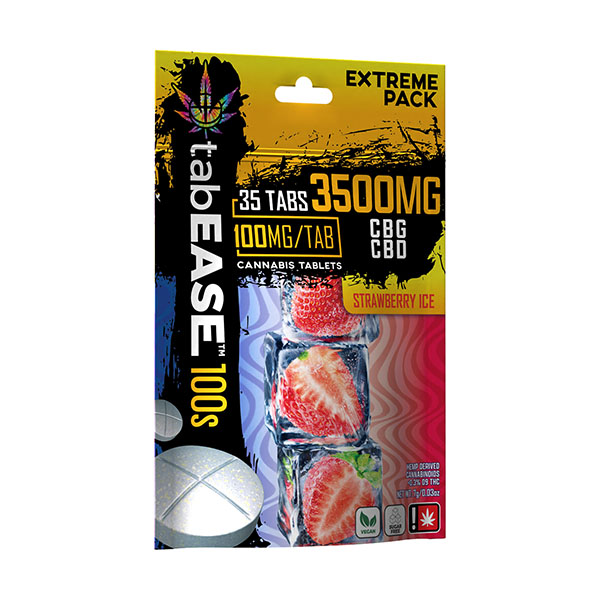
TL;DR: Sugar free edibles are edible products made without added sugars, relying instead on alternative sweeteners that have minimal impact on blood sugar. They are commonly chosen by people managing sugar intake, following low carb diets, or seeking cleaner ingredient profiles. This guide explains how sugar free edibles are made, what ingredients matter most, how they differ from traditional edibles, and how to evaluate quality, flavor, and consistency before buying. It also breaks down common misconceptions, label reading tips, and practical considerations for daily use and storage.
Key Takeaways:
- Sugar free edibles contain no added sugars and use alternative sweeteners instead.
- These edibles are designed to reduce blood sugar impact while maintaining flavor and texture.
- Ingredient transparency and sweetener choice are critical indicators of quality.
- Sugar free edibles come in multiple formats, each with unique formulation considerations.
- Understanding labels and storage helps ensure consistent experience and product stability.
Sugar free edibles have become a serious topic of interest across the edible community, especially among people paying closer attention to ingredients, blood sugar levels, and overall daily intake. These products are designed to deliver the same functional experience associated with traditional edibles while removing or significantly reducing added sugars. The shift toward sugar free formulations is driven by dietary awareness, ingredient scrutiny, and the need for options that fit long term health focused routines.
Edibles have existed in many forms for decades, often relying on sugar for flavor, texture, and shelf stability. As consumer awareness grew, so did the demand for alternatives that align better with low sugar lifestyles. Sugar free edibles answer that demand by using carefully selected sweeteners and controlled formulations that maintain consistency without relying on refined sugar.
This guide explains what sugar free edibles are, how they are made, and what matters when choosing them.
With sugar-free edibles gaining attention, Delta 8 Resellers stands out with one of the better selections available. Use D8SLY15 for 15% off your next purchase and see what the buzz is about.
Understanding Sugar Free Edibles
Sugar free edibles are edible products formulated without traditional added sugars such as cane sugar, glucose, or corn syrup. Instead, they use sugar substitutes that provide sweetness with minimal impact on blood sugar. These products are often chosen by people managing diabetes, reducing carb intake, or avoiding sugar for general wellness reasons.
Unlike conventional edibles that use sugar as a structural and flavor crutch, sugar free edibles rely on intentional formulation. Ingredient ratios are adjusted carefully to preserve texture, flavor delivery, and shelf stability. The result is a product designed from the ground up rather than modified after production.
The growing interest in sugar free edibles reflects a broader shift in food consumption habits where ingredient clarity matters more than sweetness intensity.
What Makes an Edible Sugar Free
An edible qualifies as sugar free when no added sugars are included during production. This does not mean the product is flavorless or chemically altered. Instead, it means sweetness comes from alternatives that do not behave like sugar in the body.
Common alternatives include stevia, monk fruit extract, erythritol, and allulose. Each has unique properties that affect how a premium edible tastes and feels. These ingredients are chosen not only for sweetness but also for stability under heat and storage conditions.
Consumers looking for sugar free edibles should always verify ingredient lists rather than relying on front label claims alone.
Why Sugar Was Traditionally Used in Edibles
Sugar historically served several purposes in edible production. It masked bitterness, improved mouthfeel, and acted as a preservative. Gummies especially relied on sugar for structure and chew.
Removing sugar changes how an edible behaves during production and storage. Early sugar free attempts often failed because they tried to remove sugar without replacing its functional role.
Modern sugar free edibles succeed because they rebuild the formulation rather than subtracting sugar and hoping for the best.
How Sugar Free Edibles Are Made
Producing sugar free edibles requires more precision than traditional edible manufacturing. Each ingredient must contribute to sweetness, structure, or stability without introducing sugar.
Formulators must consider how sweeteners react to heat, how moisture affects texture, and how different components interact over time. This level of control separates reliable products from inconsistent ones.
The process begins with sweetener selection and continues through texture engineering and packaging decisions.
Sweeteners Commonly Used in Sugar Free Edibles
Stevia is widely used due to its plant origin and zero calorie profile. It is extremely concentrated, so formulation accuracy is critical to avoid bitterness.
Monk fruit extract offers a clean sweetness when used correctly. It is often blended with erythritol to provide bulk and a sugar like mouthfeel.
Erythritol contributes structure and mild sweetness with minimal glycemic impact. Allulose is another emerging option that behaves similarly to sugar but contributes very few calories.
Achieving Texture Without Sugar
Sugar affects moisture retention and chewiness. Without it, edibles rely on gelling agents such as pectin or gelatin combined with fiber syrups.
Humidity control is essential. Too much moisture leads to stickiness, while too little results in hardness. Sugar free edibles require tighter production tolerances to maintain consistency.
Packaging also plays a larger role, as moisture exposure can quickly alter texture.
Why Consumers Choose Sugar Free Edibles
People choose sugar free edibles for practical reasons tied to health, consistency, and dietary preferences. These products are not novelty items, they exist to solve specific problems.
Reducing sugar intake is no longer a fringe concern. It is part of mainstream dietary planning.
Blood Sugar and Dietary Control
Sugar heavy edibles can cause blood sugar spikes that some people prefer to avoid. Sugar free edibles reduce that risk by eliminating added sugars entirely.
Low glycemic sweeteners support more predictable digestion and energy levels. While responses vary by individual, the absence of refined sugar is a clear advantage.
This makes edibles with no sugar appealing to people who want better control over daily intake.
Lifestyle Compatibility
Low carb and calorie aware diets benefit from sugar free formulations. These edibles fit more easily into structured eating plans.
Some consumers also report avoiding sugar due to energy crashes or discomfort. Sugar free options remove that variable.
The appeal goes beyond restriction, it is about consistency and ingredient control.
Types of Sugar Free Edibles Available
Sugar free edibles come in multiple formats, each with different formulation challenges. Understanding these formats helps buyers choose products that match personal preferences.
Texture, flavor release, and shelf life vary depending on the edible type.
Sugar Free Gummies and Chews
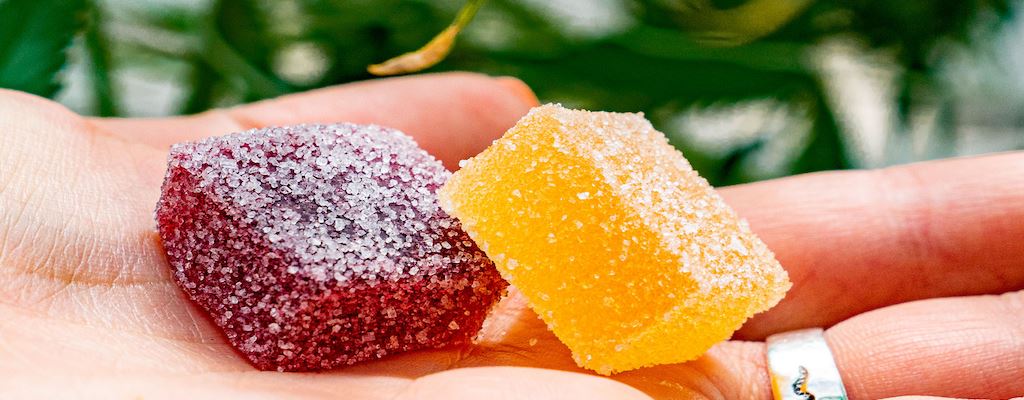
Gummies are the most common sugar free format and also the hardest to formulate correctly. Texture depends heavily on ingredient balance.
Modern sugar free gummies use fiber based syrups and refined gelling systems to mimic traditional chewiness. When formulated correctly, they feel stable and consistent.
Flavor release tends to be smoother and less intense compared to sugar based gummies.
Sugar Free Chocolates and Baked Formats
Chocolate adapts well to sugar free formulations because cocoa naturally balances bitterness. Sugar free chocolate edibles often feel rich without excessive sweetness.
Baked formats require additional moisture management. These products focus on balance rather than sweetness dominance.
Shelf stability is a key factor for these formats.
Reading Labels and Ingredient Transparency
Label literacy is critical when buying sugar free edibles. Front label claims can be misleading.
Ingredient lists provide the most reliable insight into formulation quality.
Avoiding Hidden Sugars
Ingredients like maltodextrin or dextrose can appear in products marketed as low sugar. These still affect blood sugar.
True sugar free edibles avoid these fillers entirely. Transparency is a strong indicator of formulation integrity.
Buyers should prioritize products with straightforward ingredient lists.
Sugar Alcohol Considerations
Erythritol is commonly used and generally well tolerated. However, excessive intake may cause digestive discomfort for some individuals.
Balanced formulations reduce this risk. Products relying heavily on multiple sugar alcohols may be less comfortable for regular use.
Moderation remains important regardless of formulation.
Flavor Quality Without Sugar
One persistent misconception is that sugar free edibles lack flavor. Modern formulations prove otherwise.
Flavor development has advanced significantly.
Flavor Balance and Clean Finish
Alternative sweeteners require careful pairing with flavor compounds. Citrus and berry profiles often perform well.
Without sugar masking, flavors tend to be clearer and more defined. This creates a cleaner finish.
The experience feels intentional rather than overpowering.
Texture and Aftertaste Improvements
Earlier sugar free products were known for cooling effects or bitterness. Improved blends have largely solved these issues.
Modern sugar free edibles focus on smooth mouthfeel and minimal aftertaste.
The result is a more refined experience.
Choosing High Quality Sugar Free Edibles
Quality varies widely across the market. Ingredient sourcing and formulation discipline make the difference.
Buyers benefit from knowing what to look for.
What Signals Reliability
A reputable sugar-free edibles store provides clear labeling, consistent batch quality, and proper packaging.
Products should list sweeteners transparently and avoid unnecessary fillers.
Consistency across purchases signals controlled production.
Identifying Premium Formulations
High quality sugar free edibles focus on balance rather than maximum sweetness. Texture should remain consistent throughout use.
These products often fall into the best edibles category due to higher ingredient and production costs.
Quality reflects intention, not branding.
Daily Use and Storage Considerations
Sugar free edibles integrate well into daily routines due to reduced sugar load.
Consistency matters for timing and planning.
Consumption Patterns
Many people prefer sugar free edibles earlier in the day due to stable energy impact. Others choose them at night to avoid sugar before rest.
Onset and duration depend on format rather than sugar content.
Predictability is a key benefit.
Storage and Shelf Life
Sugar free edibles require moisture control. Airtight packaging and cool storage help preserve texture.
Proper storage extends shelf life and maintains quality.
Comparing Sugar Free and Traditional Edibles
Both formats have a place, but differences matter.
Understanding those differences helps set expectations.
Nutritional Differences
Traditional edibles often contain high sugar content. Sugar free edibles significantly reduce caloric and glycemic load.
This difference affects long term dietary planning.
Sugar free options align better with modern nutrition goals.
Experience Differences
Some prefer the sweetness of traditional edibles. Others appreciate the cleaner profile of sugar free options.
Modern sugar free products continue narrowing the gap.
Market Demand and Innovation
Demand for sugar free edibles continues to rise due to informed consumer behavior.
This growth reflects real needs, not trends.
Why Demand Keeps Growing
Health awareness and ingredient scrutiny drive interest. People want options that fit daily habits without compromise.
Sugar free edibles meet those expectations.
Innovation in Formulation
New sweetener blends and texture systems improve consistency and flavor.
Innovation focuses on refinement rather than novelty.
This strengthens the category overall.
Final Thoughts
Sugar free edibles represent a deliberate evolution in edible formulation. They remove unnecessary sugar while maintaining texture, flavor, and consistency. These products exist because consumers demanded alignment with modern dietary habits.
Understanding ingredients, formulation strategies, and quality indicators allows buyers to make informed decisions. Sugar free edibles are not reduced versions of traditional products, they are intentionally engineered alternatives designed for long term use.
FAQs
What exactly are sugar free edibles?
Sugar free edibles are edible products made without added sugars like cane sugar or corn syrup. Sweetness comes from alternatives that have minimal impact on blood sugar. These products focus on ingredient balance and consistency.
Do sugar free edibles impact blood sugar?
Sugar free edibles typically have a lower glycemic impact than sugar based edibles. Effects depend on sweetener choice and individual response. Reading ingredient labels remains important.
Are edibles with no sugar safe for regular use?
Yes, when used responsibly and in moderation. Ingredient quality and formulation balance matter more than sugar absence alone. Excessive consumption of sugar alcohols may cause discomfort for some people.
How do sugar free edibles compare in taste?
Modern sugar free edibles often taste cleaner and less overpowering. Improved sweetener blends reduce bitterness and aftertaste. Many people prefer the lighter sweetness profile.
How to identify the best sugar free edibles?
The best sugar free edibles feature transparent ingredient lists, balanced formulations, and consistent quality. Avoid products with hidden sugars or excessive fillers. Packaging and batch consistency are strong indicators of quality.