
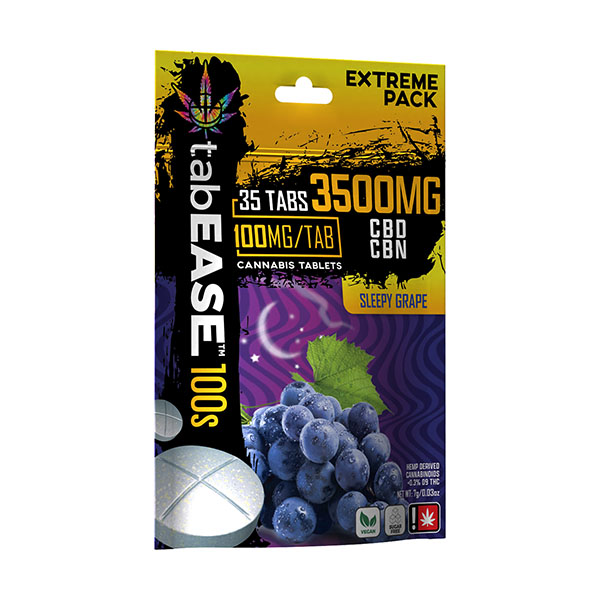
TL;DR: Sugar free edibles are formulated without added sugars, relying instead on alternative ingredients or no sweeteners at all. The primary benefits relate to ingredient composition, product consistency, and alignment with low sugar dietary preferences. This guide explains what sugar free edibles are, how they differ from traditional edibles, what changes when sugar is removed from formulations, and what buyers should realistically expect in terms of flavor, texture, labeling, and overall experience.
Key Takeaways:
- Sugar free edibles contain no added sugars in their formulations.
- Removing sugar changes flavor balance, texture, and ingredient structure.
- These products are often chosen for dietary and ingredient preference reasons.
- Label transparency is critical when evaluating sugar free products.
- Sugar free edibles prioritize consistency over sweetness intensity.
Sugar free edibles benefits are best understood through formulation and ingredient design rather than outcome expectations.
These products are defined by what they exclude rather than what they promise. By removing added sugars, sugar free edibles offer an alternative format that aligns with low sugar dietary preferences and ingredient focused buying habits.
Sugar plays multiple roles in traditional edibles, including sweetness, texture formation, and moisture retention. When sugar is removed, those functions must be addressed through other ingredients or processing methods.
This results in products that behave differently in storage, digestion timing, and sensory experience.
Since sugar-free edibles are having a moment, Delta 8 Resellers has a solid selection to check out. Use D8SLY15 and get 15% off your next buy.
Why Removing Sugar Changes the Product
Sugar influences how edibles are made and how they hold together. In gummies and chews, sugar affects elasticity and shelf stability. In baked formats, it contributes to softness and moisture balance.
When sugar is removed, manufacturers must rebuild these properties using alternative binders, fibers, or compression methods. This often leads to firmer textures and less residual stickiness.
People comparing traditional products to sugar free edibles often notice these structural differences immediately.
What Sugar Free Edibles Are Designed For
Sugar free edibles are designed for consumers who prefer minimal sugar content for dietary, lifestyle, or ingredient transparency reasons. They are not intended to replicate candy or dessert experiences.
The focus is on controlled formulation and repeatable product behavior rather than indulgence. This makes sugar free edibles better suited for routine or structured use.
Their purpose is consistency, not sweetness intensity.
Ingredient Composition and Label Transparency
One of the clearest sugar free edibles benefits is ingredient simplicity. Removing sugar reduces the need for masking agents and stabilizers.
This often results in shorter ingredient lists.
Clearer Ingredient Lists
Sugar free edibles typically avoid cane sugar, syrups, and glucose derivatives. Some also avoid sweeteners entirely.
This makes it easier to evaluate what is included in the product. Buyers can assess ingredients without navigating long lists of flavor enhancers.
Those looking for edibles with no sugar often prioritize this clarity.
Reduced Use of Fillers
Sugar heavy products often rely on fillers to support sweetness and texture. Sugar free formulations reduce the need for these components.
While binders and stabilizers may still be present, their roles are structural rather than flavor based.
This simplifies product evaluation.
Flavor Expectations Without Added Sugar
Flavor perception changes significantly when sugar is removed from an edible.
Understanding this shift helps set accurate expectations.
Less Sweet, More Neutral Profiles
Sugar free edibles tend to be less sweet overall. Flavors are often more muted or neutral.
This is not a flaw but a design choice. Without sugar, flavors are not amplified artificially.
Some consumers prefer this restrained profile.
Reduced Lingering Residue
Sugar can leave residue on teeth or packaging. Sugar free edibles often feel cleaner during consumption.
This affects mouthfeel rather than flavor intensity.
For many, this subtle difference improves overall experience.
Texture and Physical Consistency
Texture is one of the most noticeable changes in sugar free edibles.
Removing sugar alters how products feel during handling and consumption.
Firmer Structure
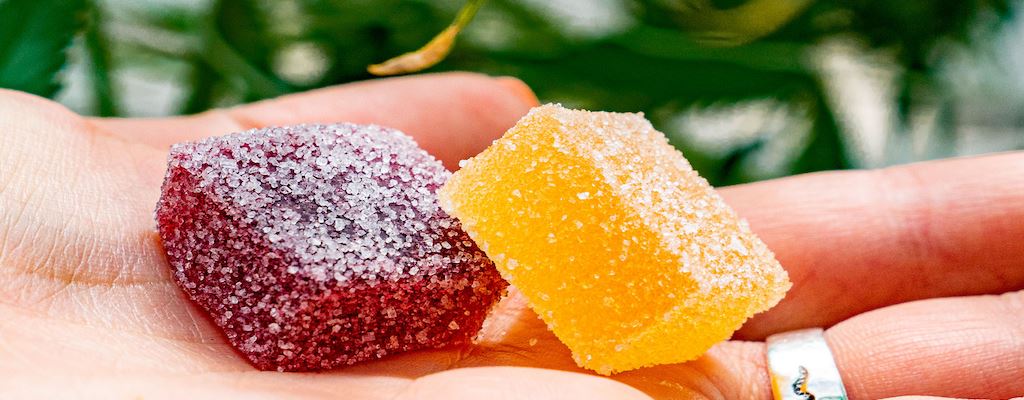
Sugar free edibles often have a firmer structure compared to sugar based counterparts. Gummies may feel denser, while tablets or chews maintain shape more consistently.
This firmness contributes to uniformity across units.
Texture remains stable over time.
Reduced Stickiness
Sugar attracts moisture. Without it, products are less prone to sticking together or deforming in packaging.
This improves storage consistency.
Many buyers consider this a practical benefit.
Product Consistency and Batch Uniformity
Consistency is a recurring reason people choose sugar free edibles.
Uniformity matters for repeat use.
Predictable Product Behavior
Without sugar affecting moisture and breakdown, sugar free edibles tend to behave more consistently under similar conditions.
This includes storage stability and physical integrity.
Consistency reduces variability between batches.
Easier Quality Control
From a manufacturing perspective, sugar free formulations allow tighter control over structure and composition.
This benefits consumers who value repeatability.
Those seeking the best sugar free edibles often prioritize this reliability.
Product Consistency and Batch Uniformity
Consistency is a recurring reason people choose sugar free edibles.
Uniformity matters for repeat use.
Predictable Product Behavior
Without sugar affecting moisture and breakdown, sugar free edibles tend to behave more consistently under similar conditions.
This includes storage stability and physical integrity.
Consistency reduces variability between batches.
Easier Quality Control
From a manufacturing perspective, sugar free formulations allow tighter control over structure and composition.
This benefits consumers who value repeatability.
Those seeking the best sugar free edibles often prioritize this reliability.
Dietary Preference Alignment
Sugar free edibles benefits are closely tied to dietary alignment rather than outcomes.
These products fit specific eating patterns.
Compatibility With Low Sugar Diets
People reducing sugar intake often look for products that align with that preference.
Sugar free edibles provide an option without added sugars.
This compatibility is the core appeal.
Reduced Caloric Contribution From Sugar
Removing sugar reduces calorie contribution from sweeteners. This simplifies tracking for people monitoring intake.
The benefit is numerical, not physiological.
A well curated sugar-free edibles store usually highlights this aspect clearly.
Storage and Shelf Stability Considerations
Sugar affects how products age over time.
Sugar free edibles behave differently.
Improved Shape Retention
Without sugar pulling moisture from the environment, products retain shape more consistently.
This reduces clumping or melting.
Shelf appearance remains uniform.
Packaging Efficiency
Sugar free edibles often require less aggressive moisture control in packaging.
This supports longer storage under normal conditions.
Stability contributes to predictable use.
Market Position and Product Quality
Sugar free edibles occupy a specific position in the broader edible market.
They are defined by formulation discipline.
Why Quality Varies
Removing sugar exposes formulation weaknesses. Poor quality products become obvious quickly.
This creates a clearer separation between well made and poorly made options.
Quality depends on ingredient selection and processing precision.
Higher Standards for Formulation
Many sugar free edibles fall into the premium edibles category due to higher ingredient and production requirements.
This reflects formulation effort rather than branding.
Consistency is the main differentiator.
Final Thoughts
Sugar free edibles benefits are rooted in formulation design, ingredient transparency, and dietary alignment. These products remove added sugars to create a different edible experience focused on consistency and structural clarity. They are not substitutes for medical products and do not make outcome claims.
Understanding what sugar free edibles are designed to offer allows buyers to make informed decisions based on preferences rather than assumptions. When evaluated correctly, they serve a clear and specific role within the edible category.
FAQs
What are sugar free edibles?
Sugar free edibles are edible products made without added sugars such as cane sugar or syrups. They focus on ingredient composition rather than sweetness.
Do sugar free edibles taste the same as regular edibles?
No. They are usually less sweet and have a more neutral flavor profile. This difference is intentional.
Why do sugar free edibles feel firmer?
Removing sugar changes texture formation. Firmer structure helps maintain consistency and shelf stability.
Are sugar free edibles suitable for routine use?
They are often chosen for routine use due to consistency and ingredient simplicity. Use depends on personal preference.
How can quality sugar free edibles be identified?
Look for clear labeling, minimal ingredients, and consistent texture. Avoid products with hidden sugars or unnecessary fillers.