
TL;DR: Reishi mushroom has been used for centuries in traditional wellness practices, long before modern supplement culture picked it up. This article breaks down what people commonly say about reishi mushroom benefits, what current research actually supports, and what still needs more study. It also looks at how reishi fits alongside other natural products people already use in their routines.
Key takeaways:
- Reishi mushroom has a long history in traditional wellness practices across parts of Asia.
- Modern research on reishi mushroom benefits is still growing and far from settled.
- Reishi is often used alongside other natural products like mushroom gummies or herbal teas.
- Quality and sourcing matter more than marketing claims when picking a reishi product.
What Is Reishi Mushroom?
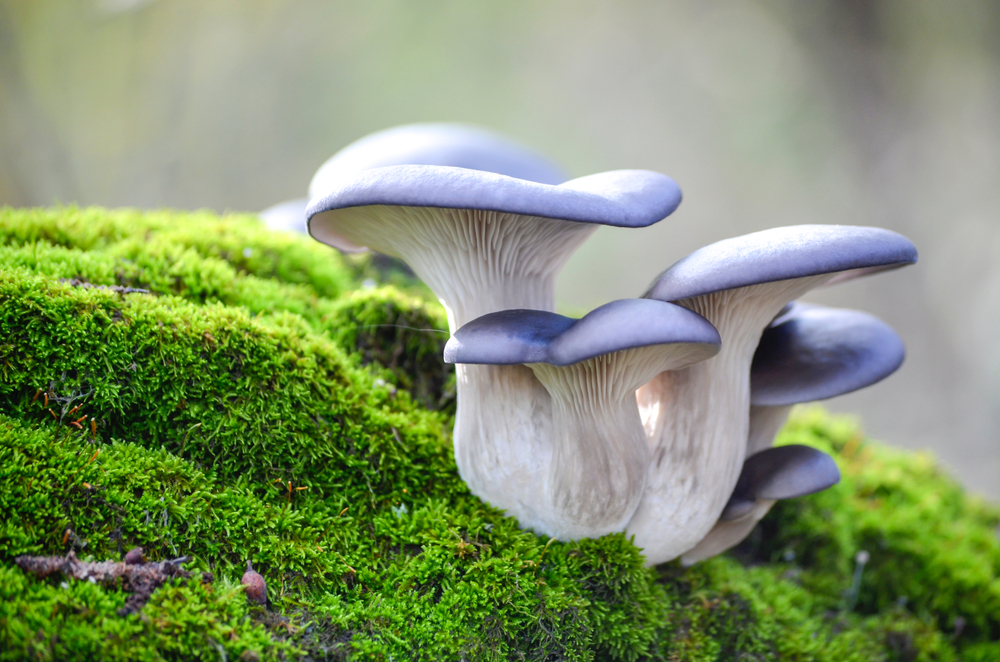
Reishi mushroom, sometimes called Ganoderma lucidum, is a type of fungus that grows on decaying wood in parts of Asia. It has a shiny, reddish-brown cap and a texture that is tough and woody rather than soft like the mushrooms found at a grocery store. People do not usually eat it raw or cook it like food. Instead, it gets dried, ground, or extracted into powders, teas, tinctures, and capsules.
The interest in reishi mushroom benefits did not start recently. It goes back thousands of years to traditional practices in China and other parts of Asia, where the mushroom held a respected place in daily life and seasonal rituals.
It was often reserved for special occasions or shared among families as a symbol of longevity and balance. That history is part of why reishi has such a strong reputation today, even before modern science got involved.
If delta 8, kava, mushroom, or anything else in the hemp and functional space has been on the radar, Delta 8 Resellers is a solid place to start. Use code D8SLY15 at checkout for 15% off the cart. Worst case, you found a new favorite at a discount.
Where It Comes From
Reishi grows in humid, forested regions, often on old or dying hardwood trees like maple and oak. Wild reishi is harder to find and takes longer to mature, which is part of why cultivated reishi became more common as demand grew.
Farms now grow it under controlled conditions to keep quality consistent and to meet the needs of a much bigger market than existed in the past.
This shift from wild harvesting to farming is similar to what happened with other traditional plants once global interest picked up.
How It’s Traditionally Prepared
Historically, reishi was simmered for hours to make a strong, bitter tea.
Some practices also involved grinding the dried mushroom into a fine powder that could be mixed into other drinks.
The bitterness is strong enough that most people did not drink it for the taste. It was more about ritual and routine than flavor.
Modern products have moved away from that slow-brewed tradition, favoring extracts and capsules that are easier to fit into a normal day.
Reishi Mushroom Benefits People Talk About
When people search for reishi mushroom benefits, they are usually looking for a mix of traditional claims and modern research. Both exist, but they are not the same thing, and it helps to know the difference.
Traditional use tells a story about how a plant was valued over generations. Scientific research tells a more cautious story about what has actually been tested and confirmed.
It is worth being upfront that reishi mushroom benefits are still being studied, and researchers have not reached firm conclusions on most of the claims floating around online. Some small studies exist, but many of them involve limited sample sizes or animal testing rather than large human trials.
That does not mean the traditional reputation is wrong, but it does mean nobody should treat reishi as a proven fix for anything.
Traditional Uses
In traditional practices, reishi was associated with calm, balance, and general wellness rather than any single specific outcome.
It was often taken as part of a broader lifestyle that included rest, diet, and other herbal remedies.
People passed down recipes and preparation methods within families, treating reishi as one piece of a larger picture rather than a stand-alone solution. This is a common thread across many traditional herbal products, including kava and kratom, which also carry generations of cultural use behind them.
What Current Research Suggests
Modern research into reishi mushroom benefits is ongoing, and interest has grown quickly over the last couple of decades. Some studies have looked at compounds found in reishi, like triterpenes and polysaccharides, and their potential role in supporting normal body functions.
However, most of this research is early stage, and scientists are careful to note that more human trials are needed before any strong statements can be made.
Anyone reading claims online about reishi curing or treating a specific condition should be skeptical, since that kind of promise goes beyond what current evidence supports.
How Reishi Compares to Other Natural Wellness Options
Reishi does not exist in a vacuum. A lot of people who are curious about reishi mushroom benefits are also exploring other natural products at the same time, often as part of a broader interest in plant-based routines. Comparing reishi to other options can help put its place in the market into perspective.
Reishi Alongside Other Adaptogenic Mushrooms
Reishi is part of a bigger category sometimes called functional or adaptogenic mushrooms, which also includes lion’s mane, chaga, and cordyceps.
Each of these has its own traditional background and its own set of claims attached to it.
People interested in mushroom gummies for anxiety often come across reishi in the same conversation, since gummy products frequently blend several mushroom types together.
The differences between these mushrooms mostly come down to which compounds they contain and how those compounds have been studied so far.
Reishi Alongside Other Botanicals
Beyond mushrooms, reishi often shows up in the same wellness conversations as kava and kratom, two plants with their own long histories of traditional use.
Someone shopping for best kava products or best kratom products might also notice reishi extracts sitting on the same shelf or website. CBD has followed a similar path, with shoppers looking for the best CBD oil often branching out into mushroom-based options as their curiosity grows.
Even top gummy edibles collections now frequently include a reishi blend alongside more familiar botanical ingredients, reflecting how much these categories overlap in the current market.
What to Know Before Trying Reishi
Anyone considering reishi should think about quality, sourcing, and personal circumstances before making a decision. This is true for any supplement, not just reishi, but it matters here given how many products are on the market right now.
Quality and Sourcing
Not all reishi products are made the same way. Extraction methods, growing conditions, and testing standards can vary a lot between brands.
Products that list clear sourcing information and third-party testing tend to be more transparent about what is actually inside the bottle or capsule.
Since reishi mushroom benefits are still being researched, having a trustworthy product at least ensures a person knows what they are actually consuming.
Things to Keep in Mind
Reishi may not be the right fit for everyone, and personal health situations vary widely from one person to the next.
Anyone with existing health conditions or who takes medication regularly should talk to a doctor before adding reishi or any new supplement to their routine.
This applies to all wellness products, including mushrooms, kava, kratom, and CBD, since individual reactions can differ quite a bit.
Final Thoughts
Reishi mushroom carries a long and respected history, and its reputation has followed it from traditional practices into today’s crowded supplement market. Reishi mushroom benefits are still being studied, and while early research is interesting, it has not reached a point where confident claims can be made.
Anyone exploring reishi should look at both the tradition behind it and the current state of the science, rather than relying on one or the other alone.
Taking time to understand sourcing, quality, and personal health needs will always matter more than any single marketing claim.
FAQs
What are the main reishi mushroom benefits people talk about?
People commonly associate reishi with calm and general wellness based on centuries of traditional use, though modern research on these effects is still developing and not yet conclusive.
Is reishi mushroom the same as other adaptogenic mushrooms?
No. Reishi is one of several mushrooms in this category, alongside lion’s mane, chaga, and cordyceps, each with different traditional uses and different compounds being studied.
How is reishi mushroom usually consumed?
Traditionally it was brewed into a strong tea, though today it is more commonly found in powders, capsules, extracts, and gummy blends.
Does reishi mushroom have any proven medical effects?
Research is still limited and ongoing, so no confirmed medical effects can be claimed. Anyone with health questions should speak with a doctor.
Can reishi be combined with other natural products?
Many people do combine reishi with other botanicals or mushroom blends, but anyone with health conditions or on medication should check with a healthcare provider first.