
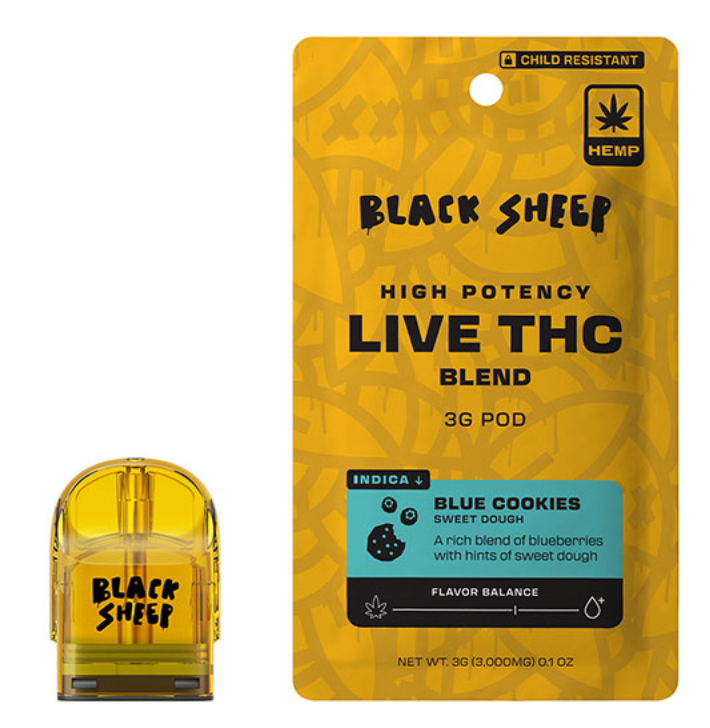
The hemp industry moves fast. Just when Delta-8 THC became a household name, a whole wave of new hemp cannabinoids started showing up on shelves and online stores. If you’re wondering what these products are, how they work, and whether they’re worth trying, you’re in the right place.
This guide breaks down the most talked-about new hemp cannabinoids. You’ll learn what makes each one different, how they’re made, what to watch out for when shopping, and how to use them safely. Whether you’re curious about trying something new or just want to understand what’s available, we’ll keep things straightforward and honest.
And if you’re ready to explore these products yourself, Delta 8 Resellers allow you to use D8SLY15 for 15% off the price when shopping for quality hemp-derived options.
What are New Hemp Cannabinoids and Why are They Everywhere?
New hemp cannabinoids are compounds derived from legal hemp plants that produce effects similar to traditional cannabis. The 2018 Farm Bill opened doors for innovation, and scientists started exploring cannabinoids that naturally exist in tiny amounts in the hemp plant.
Most of these new hemp cannabinoids don’t appear in large quantities naturally. Companies use chemical processes to convert CBD or other cannabinoids into compounds like Delta-8, HHC, or THC-P. This created a whole new market of products that offer experiences you can’t get from CBD alone.
The demand exploded because people wanted alternatives to traditional marijuana, especially those looking for specific effects or living in areas with limited access. But with rapid growth comes questions about safety, quality, and what these products actually do.
Hemp-Derived Delta-9 THC: The Familiar Compound
Let’s start with one that confuses a lot of people. Delta-9 THC is the main psychoactive compound in marijuana, but hemp-derived Delta-9 has become widely available in recent years.
How It Works
Hemp-derived Delta-9 is made possible through careful formulation. Products contain less than 0.3% Delta-9 THC by dry weight, which allows manufacturers to include meaningful amounts in edibles like gummies while staying within hemp guidelines.
A 10mg Delta-9 gummy in a larger, heavier product can deliver noticeable effects. That’s why you’ll see these new hemp cannabinoid products labeled as “hemp-derived” even though they contain the same Delta-9 found in marijuana.
What to Expect
Hemp-derived Delta-9 feels essentially identical to marijuana-derived Delta-9 because chemically, they’re the same molecule. The effects include euphoria, relaxation, altered perception, and increased appetite. The experience is familiar if you’ve tried traditional edibles before. You’re looking at a solid two to three hours of peak effects with a gradual comedown that can last another few hours.
The quality varies between brands, but when you find a good one, the experience is indistinguishable from dispensary edibles. The main advantage is accessibility and convenience for those who can’t easily get to dispensaries.
HHC: The Stable Alternative
Hexahydrocannabinol, or HHC, became popular as one of the new hemp cannabinoids that offers a middle-ground experience. It’s created by adding hydrogen molecules to THC through a process called hydrogenation, similar to how vegetable oil becomes margarine.
Why HHC Stands Out
HHC hits differently than Delta-8 or Delta-9. The experience feels cleaner and more functional, without the heavy body load that sometimes comes with Delta-9. You get a nice mental lift and relaxation without feeling glued to the couch. It’s perfect for situations where you want to feel good but still need to be somewhat productive.
The molecule comes in two forms, and the ratio between them affects the overall experience. This variation means HHC products can feel inconsistent between brands, making quality sourcing extra important.
The Experience
Most people find HHC less intense than Delta-9 but more noticeable than Delta-8. It’s become a go-to for those who want effects without feeling overwhelmed, though individual responses vary widely.
THC-P
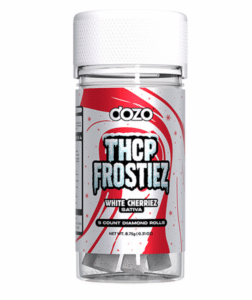
Tetrahydrocannabiphorol, or THC-P products, stands out among new hemp cannabinoids for one reason: it’s reportedly very strong. Some research suggests THC-P may bind to cannabinoid receptors more effectively than Delta-9 THC, though studies on this cannabinoid are still limited.
Understanding the Strength
The exact potency of THC-P compared to other cannabinoids isn’t fully established, but users consistently report that it produces intense effects at much lower doses. The overall experience depends on dosage, individual tolerance, and product formulation.
Most products blend THC-P with other cannabinoids rather than using it alone. A gummy might contain 1mg of THC-P mixed with 10mg of Delta-8 or Delta-9. Even at these low concentrations, the effects can be powerful.
Who Should Avoid It
If you’re new to cannabinoids or have low tolerance, THC-P probably isn’t your starting point. Even experienced users report being surprised by its potency. Start with a fraction of a normal dose if you decide to try it.
Delta-10 THC: The Uplifting Option
Delta-10 entered the market as another isomer of THC, meaning it has the same molecular formula as Delta-9 but a different structure. Among new hemp cannabinoids, Delta-10 has developed a reputation based on user reports of giving a more uplifting effect.
What Makes it Special
Delta-10 feels lighter and more cerebral than Delta-8 or Delta-9. Instead of sinking into relaxation, you get a head buzz that feels more social and creative. It’s less likely to make you drowsy or couch-locked, which is why people reach for it during the day or in social situations.
That said, it’s not as stimulating as caffeine or anything close to that. You’re still under the influence of THC, just with a different character. The effects are milder overall compared to Delta-9, which some people appreciate, and others find underwhelming.
Quality Matters More
Delta-10 is harder to produce than Delta-8, and you’ll notice this in the price and availability. Quality control is all over the place with this cannabinoid. Some brands nail it and deliver a consistent, enjoyable product. Others produce Delta-10 that barely feels like anything.
That’s why brands focus on curating products that have been properly tested and proven effective. They understand that with new hemp cannabinoids, especially ones like Delta-10, the difference between a good product and a waste of money often comes down to the manufacturer’s commitment to quality control. Third-party lab testing matters with all new hemp cannabinoids, but especially with this one, where production inconsistencies are more common.
Delta-11 THC: The Lesser-Known Powerhouse
Delta-11 THC is one of the newer additions to the new hemp cannabinoids lineup, and it’s still flying under the radar for many users. This cannabinoid occurs naturally in cannabis plants but in extremely small amounts, which is why you’re only now starting to see it in products.
What Makes Delta-11 Different
Delta-11 products are arguably stronger than Delta-8 or Delta-10, but not as overwhelming as THC-P can be. Many people say that Delta-11 produces deep relaxation with a strong body sensation, making it popular for evening use or when you want serious unwinding. But the question of whether or not Delta-11 is stronger than Delta-9 depends on the dosage, body strength, and more.
The effects tend to be more physical than cerebral. While Delta-9 gives you both a head and body high, Delta-11 leans heavier into the body experience. You’ll feel relaxed, calm, and pleasantly heavy without necessarily getting the racing thoughts or mental intensity that sometimes comes with other cannabinoids.
THC-V: The Different Kind of THC
Tetrahydrocannabivarin, or THC-V, is one of the new hemp cannabinoids that appears to work differently in your body. The feeling is distinct.
Unique Properties
THC-V doesn’t increase appetite like other forms of THC. In fact, some research suggests it may suppress it. That alone makes it interesting for people who enjoy cannabis effects but don’t want the munchies.
At lower doses, THC-V can actually tone down some effects of other cannabinoids. At higher doses, it produces its own clear-headed, focused high that can be described as energizing. The effects also come on faster and don’t last as long as Delta-9, typically two to four hours instead of six to eight.
What Makes It Special
THC-V feels alert and functional. You get a mental clarity that’s different from the foggy headspace of Delta-9. It’s become popular for daytime use because you can still focus on tasks while enjoying the elevated mood. The shorter duration is actually a feature for many people who want effects but don’t want to commit to a full evening.
Availability is still limited compared to other new hemp cannabinoids, and it tends to be pricier. When you find quality THC-V products, though, the experience justifies the extra cost.
How New Hemp Cannabinoids Are Produced
Understanding production methods helps you make informed choices about these products. Most new hemp cannabinoids start as CBD extracted from legal hemp, then undergo chemical processes to transform them into different compounds.
The Conversion Process
Manufacturers use various methods to rearrange CBD molecules into different cannabinoids. This typically involves solvents, acids, heat, and sometimes catalysts to trigger the molecular transformation. The process requires careful control and thorough purification to remove any residual chemicals.
Natural Versus Lab-Created
While these cannabinoids do exist naturally in hemp plants, the amounts are so tiny that direct extraction isn’t practical for commercial production. Most new hemp cannabinoids on the market are created through conversion processes rather than being extracted directly. This isn’t inherently problematic, but it means production quality can vary significantly between manufacturers.
Reputable manufacturers use careful processes, test for residual solvents and impurities, and ensure proper conversion. Less careful operations might skip important safety steps, potentially leaving unwanted substances in the final product.
Safety and Quality: What You Need to Know
The rapid emergence of new hemp cannabinoids has created a situation where product quality ranges from excellent to questionable.
The Testing Problem
Third-party lab testing is your best protection, but not all tests are created equal. A certificate of analysis (COA) should show cannabinoid potency, confirm the absence of pesticides and heavy metals, and verify that no residual solvents remain from the conversion process.
Red Flags to Watch For
Be wary of products without accessible lab results, unusually low prices that seem too good to be true, exaggerated health claims, or brands that can’t provide clear sourcing information. If a company won’t show you third-party testing, walk away.
Questions to Ask Before Buying
Where does the hemp come from? What extraction and conversion methods are used? Can you see the recent batch-specific lab results? Does the company have a track record and customer reviews you can verify? These questions separate legitimate manufacturers from fly-by-night operations.
Which New Hemp Cannabinoid Is Right for You?
With so many new hemp cannabinoids available, choosing the right one can feel overwhelming. Each offers a different experience based on user reports and research.
For Beginners
Delta-8 remains a gentler introduction to psychoactive hemp products. It’s generally less intense than Delta-9 and widely available with consistent quality from established brands. HHC offers a similar entry point with effects that most people find manageable and pleasant.
For Experienced Users
If you’re comfortable with Delta-9 and looking for something different, Delta-10 provides what users describe as a more uplifting alternative. THC-V offers unique effects without overwhelming potency based on user experiences. Delta-11 is also a great option.
For Those Seeking Stronger Effects
THC-P delivers some of the most intense effects among new hemp cannabinoids. However, even experienced users should approach it cautiously. Start with products that blend small amounts of THC-P with other cannabinoids rather than pure THC-P formulations.
How to Use New Hemp Cannabinoids Properly
Approaching new hemp cannabinoids thoughtfully reduces the risk of uncomfortable experiences.
Start Low, Go Slow
This mantra applies to all cannabinoids, but especially to new hemp cannabinoids with varying potencies. Start with the smallest available dose, typically a quarter or half of the product. Wait at least two hours before considering more, as these things take time to kick in.
Understanding Potency Differences
A 10mg Delta-8 gummy and a 10mg THC-P gummy can produce very different effects. Always check what cannabinoid you’re using and research typical dosing ranges. When trying something new, assume it might be stronger than you expect and adjust accordingly.
Keeping Track
Take note of what you try, how much you take, and how it affects you. This helps you identify what works and what doesn’t while avoiding repeating uncomfortable experiences. Everyone’s endocannabinoid system is different, so your ideal product might differ completely from someone else’s.
Product Forms: How New Hemp Cannabinoids Are Sold
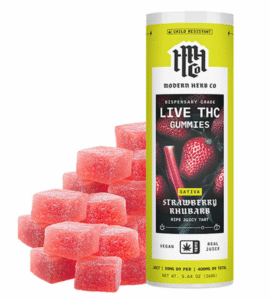
These cannabinoids come in various formats, each with different onset times and duration of effects.
Edibles and Gummies
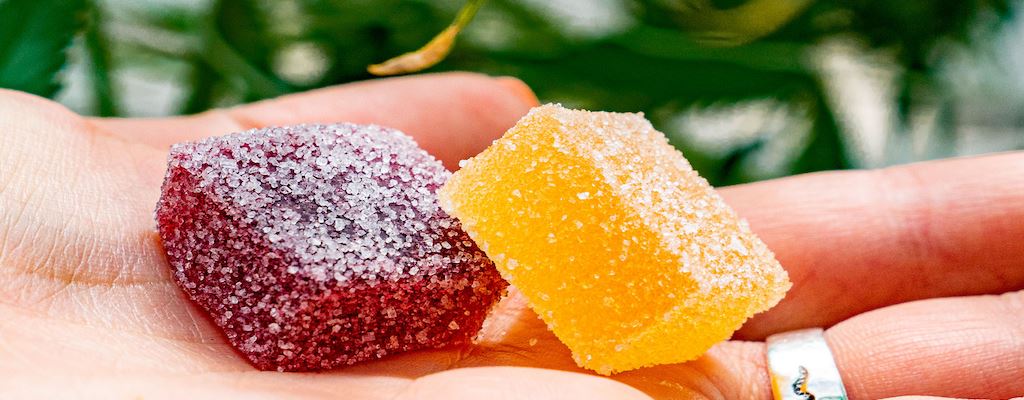
This is the most popular format for new hemp cannabinoids. Gummies offer precise dosing and long-lasting effects. They take 30 minutes to two hours to kick in but can last six to eight hours. Perfect for sustained experiences but requiring patience.
Vapes and Cartridges
Vaping delivers the fastest onset, with effects appearing within minutes. However, the experience is shorter-lived, typically lasting one to three hours. Quality matters even more with vapes since you’re inhaling the product.
Tinctures and Oils
Sublingual tinctures absorb faster than edibles, usually within 15 to 45 minutes. They offer flexible dosing since you can adjust drops precisely. The taste isn’t always pleasant, but the effects tend to be reliable and measurable.
Final Thoughts
New hemp cannabinoids represent an exciting frontier in cannabis products. Beyond Delta-8 lies a diverse landscape of compounds offering different experiences.
The key to navigating this space successfully is through education, caution, and quality-focused purchasing. Not every new hemp cannabinoid will work for every person, and that’s perfectly fine. The variety means you can potentially find something that fits your preferences, whether you want mild relaxation or stronger effects.
Always prioritize safety over novelty. Buy from reputable brands with transparent testing, start with conservative doses, and stay informed about these products. The new hemp cannabinoid market will continue evolving, and being a smart consumer means staying curious while remaining cautious.
FAQs
Are new hemp cannabinoids safe to use?
Safety depends on product quality and individual health factors. Reputable brands that provide third-party lab testing and use careful manufacturing processes are your best bet, but quality varies across the market. Anyone with health conditions or taking medications should consult a healthcare provider before trying new hemp cannabinoids. It’s always smart to start with small doses and see how your body responds.
Will new hemp cannabinoids show up on a drug test?
Yes, most new hemp cannabinoids will likely trigger positive results on standard drug tests that screen for THC metabolites. Whether it’s Delta-8, HHC, THC-P, or other variants, your body metabolizes these compounds in ways that create markers similar to Delta-9 THC, which drug tests detect. If you’re subject to any drug testing, it’s best to avoid these products.
What’s the difference between Delta-8, Delta-9, and Delta-10?
These are all forms of THC with slightly different molecular structures. Delta-9 is the traditional THC found in marijuana and produces the strongest, most familiar effects. Delta-8 is generally milder and more relaxing, often preferred by those who find Delta-9 too intense. Delta-10 is described by users as more energizing and uplifting. All three are available as new hemp cannabinoid products, but they offer distinct experiences.
How do I know if a new hemp cannabinoid product is high quality?
Look for third-party lab testing that shows cannabinoid potency, confirms no pesticides or heavy metals, and verifies the absence of residual solvents. Reputable brands make these certificates of analysis easily accessible, provide clear information about sourcing and manufacturing, and have verifiable customer reviews and a track record in the industry. Avoid products without this transparency, and don’t be afraid to reach out to companies with questions.
Which new hemp cannabinoid should I try first?
If you’re new to these products, Delta-8 is generally considered the most approachable option. It tends to be milder than Delta-9 and has been around longer, meaning more established brands offer it with consistent quality. HHC is another beginner-friendly choice. Avoid starting with THC-P or other high-potency options until you understand how your body responds to cannabinoids. Always start with a low dose regardless of which one you choose.