
Delta 11 vs Delta 9: What are their Distinct Characteristics?
Delta cannabinoids have taken over conversations in the cannabis community, especially as new variations show up with their own style and effects. Delta 11 vs Delta 9 has become one of the most talked-about comparisons because both cannabinoids sit in the same family but behave in ways that stand out from each other.
The contrast between them has sparked interest among people who follow new product trends, vape releases, and shifts in cannabinoid research. Each compound offers its own profile, leaving plenty to unpack regarding strength, feel, and overall performance. Understanding the differences helps explain why both continue to attract interest in a constantly growing market.
The conversation around Delta 11 vs Delta 9 has picked up fast because new cannabinoids bring new expectations. Delta 9 has always been associated with traditional cannabis experiences, while Delta 11 has entered discussions with a reputation for a distinct punch and a smoother overall feel. As more products appear, including cartridges, disposables, and infused edibles, the comparison becomes even more relevant.
Many consumers pay attention to new cannabinoid releases since different variations come with unique effects and usage styles. This shift has pushed Delta 11 into the spotlight, especially as more people start seeking products that break away from familiar experiences.
Since Delta 11 is making waves, Delta 8 Resellers has one of the best selections around. Use D8SLY15 for 15% off your next buy and see what the buzz is about.
Understanding Delta 11 vs Delta 9
The comparison between Delta 11 vs Delta 9 requires looking at each compound’s behavior, structure, and performance. Both cannabinoids interact with receptors in the body, specifically within the endocannabinoid system.
Still, slight chemical differences create noticeably different outcomes. These differences may affect intensity, duration, onset, and the general user experience. Understanding these distinctions helps clarify why both cannabinoids receive so much attention in modern product lines.
How Delta 11 Is Viewed in the Community
Delta 11 has gained attention for offering a strong, noticeable effect that many users describe as clean and balanced. Its profile often connects to energetic and uplifting sensations without leaning too heavily into couch-locking territory. This has sparked interest in people who prefer cannabinoids that lean toward a more upbeat tone. Because little was known about Delta 11 until recent years, the current wave of interest has boosted its popularity across different product types.
People who use products containing Delta 11 often look for reliability, consistency, and a smooth experience. The feel of Delta 11 tends to build in a way that keeps things enjoyable without unexpected heaviness. Its growing presence in new formulations, especially vapes and other fast-acting formats, has helped shape how the cannabinoid is perceived in the broader cannabis space.
How Delta 9 Has Been Viewed Historically
Delta 9 has long been associated with the classic cannabis effect. Its reputation is familiar to most cannabis users because it comes directly from strains that have been around for decades. The cannabinoid’s interaction with receptors is well documented, and the range of experiences can vary. Some find Delta 9 deeply relaxing, while others see it as uplifting depending on terpene and strain differences.
Despite newer cannabinoids entering the market, Delta 9 remains a reference point for comparison. When people talk about intensity, duration, or flavor profiles, Delta 9 is often the baseline. This gives the discussion around Delta 11 vs Delta 9 more weight because one compound represents tradition while the other represents innovation.
Delta 11 vs Delta 9 in Different Product Types
The comparison becomes more interesting when seen through the lens of modern product categories. Various items showcase different strengths of both cannabinoids. Emerging product lines highlight Delta 11 as a standout option in the vape scene, especially in formats that prioritize fast onset. Meanwhile, Delta 9 still holds a strong presence in edibles, flowers, and other traditional formats.
Vape Products and Their Appeal
Vape products continue to dominate the market because they deliver noticeable effects within minutes. This makes them a popular choice for testing how different cannabinoids feel compared to one another. Delta 11 vape products often produce a fast build-up that remains smooth and engaging. Many users appreciate the steady climb in sensation, creating an impression of clarity and upbeat energy.
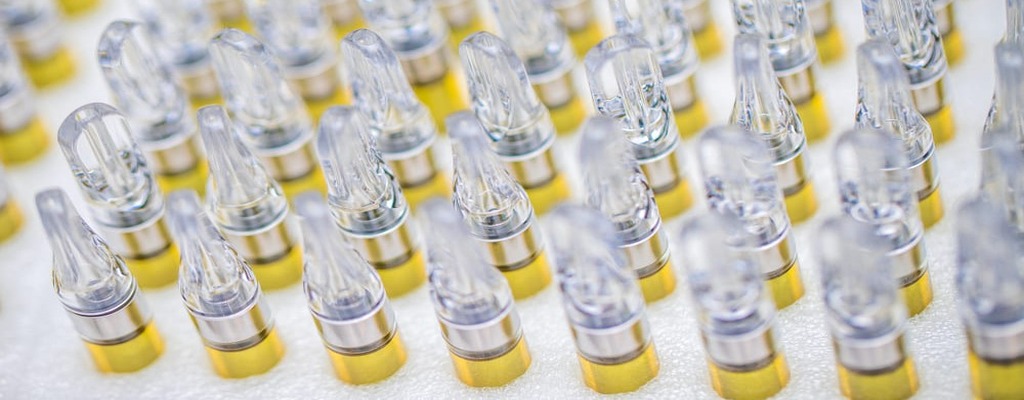
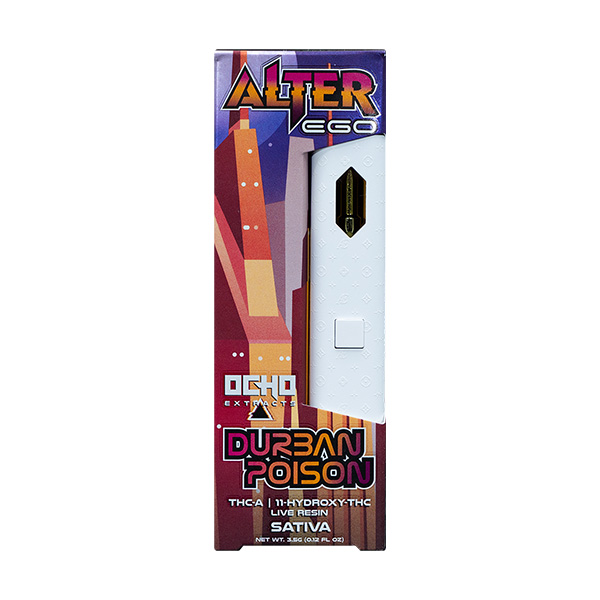
Within this category, delta 11 vape devices and cartridges get attention for offering strong and consistent performance. They fit the preferences of users who like quick-acting products that support social settings and energetic environments. Vaping also highlights the flavor profiles of both cannabinoids, although Delta 11 blends tend to come across as smoother in many formulations.
Delta 9 vape products remain relevant because they replicate the traditional cannabis feel in a fast-onset format. These vapes deliver a familiar effect that many long-time users recognize quickly. Even as newer cannabinoids emerge, Delta 9 will likely continue to have a strong place in the vape scene due to its established reputation.
Disposable Vape Formats
Disposable vapes appeal to people who want convenience. These devices require no charging, refilling, or maintenance. They showcase how different cannabinoids feel without committing to larger devices. In the comparison of Delta 11 vs Delta 9, disposable vapes give a side-by-side glimpse of each compound’s qualities.
Delta 11 disposables tend to highlight the strong, energetic feel that the cannabinoid is known for. Their easy-to-use design makes them accessible to newer users while still delivering a noticeable impact. This has contributed to rising interest in delta 11 disposable vapes across online marketplaces.
Delta 9 disposable vapes maintain popularity because they deliver a traditional effect in a modern format. People who appreciate classic cannabis experiences find disposables convenient without sacrificing potency. Their presence in stores, lounges, and online platforms keeps Delta 9 active in modern product conversations.
Performance Differences in Delta 11 vs Delta 9
When comparing the two cannabinoids, understanding performance helps explain their distinct identities. Delta 11 typically provides a sharper onset that builds quickly. Many users talk about a cleaner sensation that feels lively and mentally engaging. This makes Delta 11 a common choice for people who enjoy cannabinoids that support upbeat moods.
Duration and Effect Profile
Reports often describe Delta 11 effects as long-lasting with a steady glide. The experience tends to remain balanced from start to finish. This stability has become part of Delta 11’s appeal, particularly for people who use vapes or edibles for leisure settings. The uplifting tone sets it apart from many traditional cannabinoids.
Meanwhile, Delta 9 experiences can vary widely based on dosage and product type. Some users find Delta 9 relaxing and mellow. Others experience a more euphoric or mentally engaging feel. Delta 9 has a broader effect spectrum, which allows manufacturers to tailor products for different outcomes.
Potency and Strength
Delta 11 has gained a reputation for being stronger than many mainstream cannabinoids. This perception comes from user reports rather than just lab data. Its intensity tends to feel more pronounced, especially in vapor form. Its strong performance has made Delta 11 a key element in modern product development, particularly with the best delta 11 products that highlight strength and performance.
Delta 9 has well-documented potency levels. Its strength has been understood for years, making it the standard for comparing other cannabinoids. In many cases, Delta 9 delivers a predictable experience, which remains valuable for users who prioritize consistency.
Market Interest in Delta 11 vs Delta 9
The cannabis industry thrives on innovation. Every new cannabinoid creates fresh demand, fresh curiosity, and fresh discussion. Delta 11’s rise represents a shift toward new experiences, while Delta 9 continues to anchor the market with familiarity.
Changing Consumer Preferences
Consumers often seek cannabinoids that fit their preferred lifestyle or vibe. Some enjoy a laid-back evening experience, while others want something lively for social gatherings. Delta 11’s energetic feel appeals to the latter group. Delta 9 offers both experiences, depending on product variations and terpene combinations. This dynamic keeps both cannabinoids relevant.
Product Variety and Availability
The range of available products impacts how widely used each cannabinoid becomes. Delta 11 now appears in disposables, cartridges, infused gummies, and more. This expansion keeps momentum strong. Among these options, some users point to certain items as the best delta 11 products for those who want intense and balanced effects.
Delta 9 remains widely accessible across many formats. Edibles, flowers, tinctures, and vapes all use Delta 9 as a main cannabinoid. Its availability keeps it at the forefront of the cannabis market even as new variations emerge.
User Experience Differences in Delta 11 vs Delta 9
Understanding how each cannabinoid feels in real-world environments gives deeper insight into their differences. People use cannabinoids for various reasons including relaxation, mood enhancement, and social enjoyment. The distinction between Delta 11 vs Delta 9 becomes especially clear across these settings.
Social Settings and Mood
Delta 11 products often create an uplifting atmosphere. Users describe a steady sense of clarity that fits well with conversations, gatherings, and high-energy environments. This social compatibility has made Delta 11 a go-to option for people who enjoy cannabinoids during upbeat situations.
Delta 9 can offer both sociability and relaxation. Depending on the strain or product, the cannabinoid may lean toward either energized social activity or mellow downtime. The duality makes Delta 9 flexible for people who want different experiences on different occasions.
Clarity and Mental Engagement
Delta 11 tends to create a clearer mental effect. This clarity has been consistently mentioned as part of its unique appeal. Many people report staying mentally present and alert without feeling scattered. These qualities separate Delta 11 from other cannabinoids which sometimes produce heavier sensations.
Delta 9 is known for versatility. It may produce deep relaxation or, on the other hand, stimulate creative thinking. Because the experience varies, people often choose Delta 9 based on what activity or environment they prefer.
The Growing Demand for Both Cannabinoids
The interest in Delta 11 and Delta 9 shows how different cannabinoids can appeal to different tastes. Both contribute to the expanding product landscape, offering new options for consumers who want more than the traditional experience.
Why Delta 11 Continues to Rise
Delta 11’s rise is driven by strong effects and smooth usability. As manufactured products become more refined, people notice improvements in consistency, performance, and overall feel. This makes Delta 11 a top contender in modern cannabis product collections.
Why Delta 9 Remains a Staple
Delta 9’s reputation and long history keep it firmly rooted in the market. Even with newer cannabinoids gaining momentum, Delta 9 maintains strong demand due to its recognizable profile and wide availability. Its reliability helps ensure it remains part of product assortments for years to come.
Final Thoughts
Delta 11 vs Delta 9 continues to be an important comparison in the cannabis community because both cannabinoids hold their own place in product lines and user preferences. Delta 11 offers a strong and lively experience that resonates with people who enjoy clarity and energy.
Delta 9 maintains its role as the traditional choice known for its versatility and dependable performance. As the market grows, these cannabinoids will continue to shape new formulations and influence how users explore different options.
The ongoing discussion shows how much interest exists around both compounds and how each one contributes something distinct to modern cannabis culture.
FAQs
What makes Delta 11 different from Delta 9?
Delta 11 and Delta 9 differ mainly in intensity, onset, and effect profile. Delta 11 tends to produce a stronger and more uplifting feel while Delta 9 offers a wider range of effects depending on product type and formulation.
How long do Delta 11 effects last compared to Delta 9?
Delta 11 effects generally last for an extended period with a consistent feel. Delta 9 effects depend on the product form, dosage, and strain characteristics which can vary widely.
Are Delta 11 products stronger than Delta 9?
Many users report that Delta 11 products feel stronger or more uplifting. Delta 9 has documented potency and consistency, making it the traditional reference point for comparison.
Does Delta 11 work better in vape form than Delta 9?
Delta 11 is commonly highlighted for smooth vape experiences and fast onset. Delta 9 vapes also deliver fast results but the effect profile may differ based on formulation and strain.
Which cannabinoid is better for social settings?
Delta 11 is often associated with upbeat and lively sensations which can fit well in social environments. Delta 9 can also support social use although the experience varies depending on product type and terpene combinations.