
TL;DR: CBD topicals for pain work differently than CBD edibles, mainly because of how each one enters the body. This article breaks down the difference between applying a cream or balm directly to skin versus ingesting a gummy or oil, what each format is generally used for, and what factors might influence which one someone chooses. Nothing here should be treated as medical advice or a guarantee of results.
Key takeaways:
- CBD topicals are applied directly to skin and generally stay localized to that area.
- CBD edibles are ingested and processed through the digestive system before taking effect.
- Absorption speed and duration differ significantly between topicals and edibles.
- Topicals are often chosen for targeted, localized discomfort rather than full body use.
- Many people use both formats together depending on the situation and time of day.
What Makes CBD Topicals Different
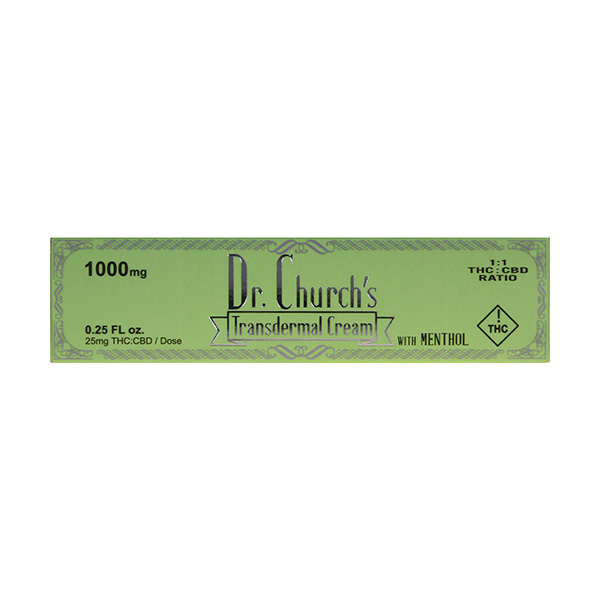
CBD topicals for pain include creams, balms, salves, and roll-ons designed to be applied directly onto the skin. Unlike other CBD products, topicals are not meant to be swallowed or absorbed into the bloodstream in the same way.
Instead, they interact with receptors near the surface of the skin in the specific area where they are applied. This localized approach is one of the biggest reasons people reach for a topical over other CBD formats when dealing with a specific spot rather than a broader feeling throughout the body.
The texture and formulation of CBD topicals for pain can vary a lot from one product to another. Some are thick and balm-like, meant to sit on the skin for a longer period, while others are lighter lotions that absorb quickly and leave less residue.
Many topical products also include additional ingredients like menthol, arnica, or essential oils, which contribute their own sensations alongside the CBD itself. Understanding what is actually in a topical, beyond just the CBD content, helps set realistic expectations for how it might feel during use.
There is no better time to start exploring hemp and functional products than when 15% off is on the table. Head over to Delta 8 Resellers and use code D8SLY15 at checkout before the deal wraps up.
How Topicals Are Applied
Applying a CBD topical usually involves rubbing a small amount directly onto clean, dry skin over the targeted area.
Most product labels recommend starting with a small amount and applying more if needed, since everyone’s skin and sensitivity level differs.
Reapplication throughout the day is common with topicals, since their effects tend to be shorter lived compared to other CBD formats. This makes application routine more of a repeated habit throughout the day rather than a single dose taken once.
What Topicals Do Not Do
CBD topicals for pain generally do not produce the same body-wide sensations that come from ingesting CBD, since very little of the compound actually makes it into the bloodstream through skin application.
This is an important distinction for anyone expecting a topical to feel similar to a gummy or tincture.
The experience with a topical stays concentrated in the area of application, which is exactly why people choose them for specific, localized situations rather than general use.
How CBD Edibles Work Differently
CBD edibles, including gummies, chews, and infused drinks, take a completely different path through the body compared to topicals. Once swallowed, an edible has to pass through the digestive system and liver before any CBD reaches the bloodstream.
This process takes time, which is one of the biggest differences between edibles and topicals in terms of how quickly someone notices anything at all.
Because edibles are processed internally, their effects tend to spread more broadly rather than staying in one specific area. This is part of why people who want general, whole body relaxation often lean toward edibles instead of topicals.
The delayed onset also means edibles require more patience, since effects can take anywhere from thirty minutes to two hours to become noticeable, depending on factors like metabolism and whether the edible was taken on an empty stomach.
Absorption Speed and Duration
The digestive process behind CBD edibles means effects generally last longer once they do kick in, often lasting several hours compared to the shorter window typical of topicals.
This longer duration can be appealing for people looking for something that does not require frequent reapplication throughout the day.
On the other hand, that same slow absorption means edibles are not a good fit for anyone hoping for a fast, immediate response to a specific spot of discomfort.
Popular Edible Formats
Among CBD edibles, gummies remain one of the most popular choices due to their convenience and consistent dosing per piece.
Shoppers looking for premium CBD gummies for anxiety often discover that the same gummy formats used for calm and relaxation are also marketed toward general wellness and comfort.
Beyond CBD-specific gummies, broader top gummy edibles collections frequently include CBD alongside other natural ingredients, giving shoppers more variety to choose from depending on what they are looking for.
Choosing Between Topicals and Edibles
Deciding between CBD topicals for pain and CBD edibles really comes down to what someone is trying to address and how quickly they want to notice something.
Neither format is inherently better than the other since they serve different purposes and work through completely different mechanisms in the body.
When Topicals Might Make More Sense
Topicals tend to make more sense for situations involving a specific, identifiable area, since the goal is localized rather than widespread.
Someone dealing with discomfort in one particular spot, like a knee, shoulder, or lower back, may prefer the direct application a topical offers over waiting on an edible to take effect.
The ability to apply a topical exactly where needed, without waiting for digestion, is one of the main appeals for people who prioritize a targeted approach.
When Edibles Might Make More Sense
Edibles tend to appeal more to people looking for a broader, less targeted experience throughout the day or evening.
Since edibles take longer to kick in but last longer overall, they fit better into a routine where someone plans ahead rather than needing something immediate.
People who already enjoy the best CBD oil as part of a daily routine often find edibles fit naturally alongside that habit, since both formats involve ingestion rather than topical application.
CBD Within a Broader Wellness Routine
CBD topicals for pain and edibles rarely exist in isolation for most people exploring natural wellness products. Many shoppers browsing CBD options are also curious about other plant-based categories that offer different kinds of experiences.
Exploring Related Natural Products
People interested in CBD often branch out into other traditional botanicals with their own long histories, like kava and kratom.
Someone comparing the best kava products might also be exploring CBD topicals at the same time, since both categories appeal to a similar audience interested in natural alternatives.
Likewise, shoppers researching the best kratom products frequently overlap with CBD customers, especially on sites that carry a wide range of natural wellness items under one roof.
Mushroom-Based Additions
Functional mushrooms have also found their way into many of the same shopping carts as CBD products.
Options like mushroom gummies for anxiety often sit right next to CBD gummies on store shelves, appealing to customers looking for a broader sense of calm rather than one single ingredient.
This overlap reflects how much natural wellness shopping has become about building a personalized routine rather than sticking to just one product type.
Final Thoughts
CBD topicals for pain and CBD edibles offer two very different experiences shaped entirely by how each one enters the body.
Topicals stay localized and act relatively quickly on a specific area, while edibles take longer to kick in but tend to last much longer once they do.
Neither format replaces the other, and plenty of people end up using both depending on the situation and time of day. Understanding these differences makes it easier to choose a format that actually fits a specific need rather than guessing based on marketing alone.
FAQs
How long do CBD topicals for pain typically last?
Effects from topicals tend to be shorter lived compared to edibles, often requiring reapplication throughout the day depending on the product and area of use.
Do CBD edibles work faster than topicals?
No. Edibles usually take longer to produce noticeable effects since they must be digested first, while topicals act more quickly on the applied area.
Can CBD topicals and edibles be used together?
Many people do use both formats together, applying a topical to a specific area while also using an edible as part of a broader daily routine.
Do CBD topicals get absorbed into the bloodstream?
Very little CBD from a topical typically reaches the bloodstream, since topicals are designed to act locally on the skin rather than throughout the body.
Which format is better for targeted discomfort?
Topicals are generally chosen for targeted, localized situations, while edibles are better suited for a broader, longer lasting experience.